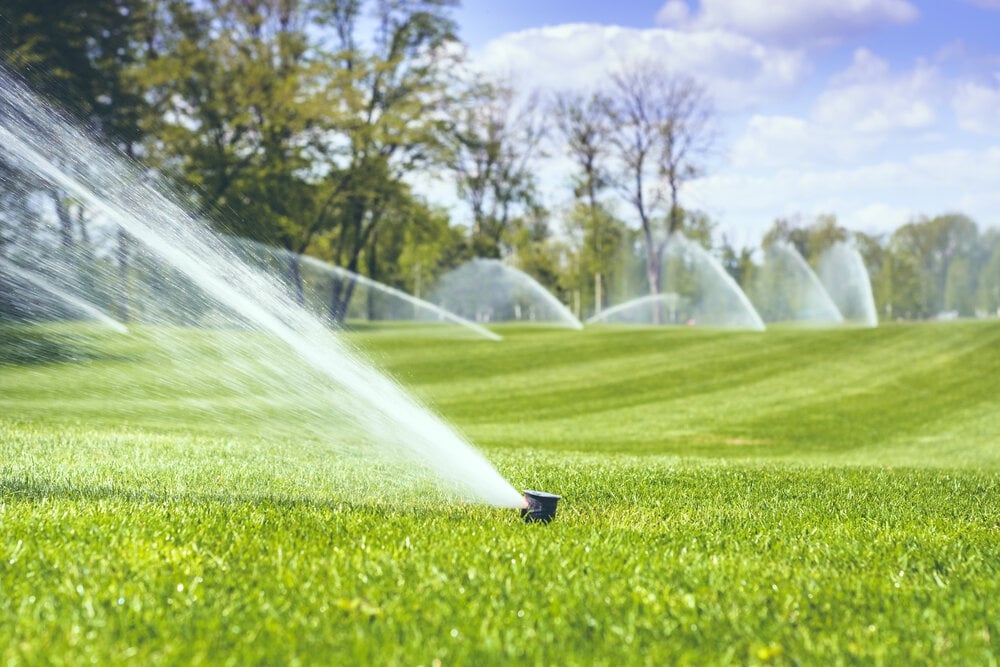
A healthy garden does not necessarily require more water—it often requires better-managed watering. Many homeowners run sprinklers or garden hoses for a set amount of time without knowing how much water is actually being delivered. This can lead to overwatering, runoff, higher water bills, and uneven lawn growth. Measuring outdoor water consumption gives gardeners a clearer picture of what their irrigation system is doing and makes it easier to adjust watering habits.
A simple flow measurement device can show both the rate at which water is moving and, depending on the model, the total amount consumed. This information can turn routine lawn and garden maintenance into a more controlled process.
Why Measuring Garden Water Usage Matters
It is difficult to manage something that is never measured. A sprinkler may look efficient while operating, but its actual water consumption can vary considerably depending on pressure, hose size, nozzle type, sprinkler design, and operating time.
A garden flow meter can provide useful information about these patterns. Instead of saying, “The sprinkler ran for 20 minutes,” a homeowner can determine approximately how much water was used during those 20 minutes.
This makes it easier to compare different watering methods and identify opportunities to reduce unnecessary consumption. Garden water meters are specifically designed to measure water passing through an outdoor hose or irrigation connection, rather than measuring the entire household’s water use.
Understanding Water Flow Rate
Water flow rate describes how quickly water moves through a hose, pipe, or irrigation line. It is commonly expressed in gallons per minute (GPM) or litres per minute (L/min).
For example, two sprinklers may both operate for 15 minutes, but they may not use the same amount of water. If one system has a higher flow rate, it will deliver more water during the same period.
Understanding flow rate helps gardeners answer practical questions:
- How much water does the sprinkler use per session?
- Is one irrigation zone using considerably more water than another?
- How much water is being delivered to a vegetable garden?
- Is a hose nozzle using more water than expected?
- Has water consumption changed after replacing a sprinkler head?
These measurements can be particularly helpful when designing or adjusting irrigation schedules.
Using a Water Flow Meter With a Garden Hose
For homeowners who rely on a garden hose for lawn care, container plants, flower beds, or vegetable gardens, installing a water flow meter between the outdoor faucet and hose can provide a straightforward way to monitor consumption.
RESTMO’s collection includes outdoor flow meters designed to track water consumption and flow rate, with options featuring readable LCD displays and different connection and monitoring features.
The basic principle is simple: water passes through the meter before reaching the hose or watering equipment, allowing the device to record the flow. Depending on the model, the gardener can monitor current flow and accumulated water consumption.
This is especially useful for people who frequently move a hose between different areas of the garden.
Comparing Different Irrigation Zones
Large gardens often have different watering requirements. A lawn may need sprinkler coverage, while flower beds and vegetable gardens may benefit from drip irrigation or targeted watering.
Instead of treating the entire garden as one watering area, homeowners can measure each zone separately.
For example:
- Run the lawn sprinkler for a normal watering cycle.
- Record the amount of water consumed.
- Repeat the process for another irrigation zone.
- Compare the results with the needs of each area.
- Adjust watering duration where appropriate.
Professional irrigation systems can also use flow monitoring to track individual zones and identify unusual high- or low-flow conditions.
This type of information can reveal that one zone is consuming considerably more water than expected.
Finding Irrigation Problems Earlier
Water measurement is not only about conservation. It can also help identify potential irrigation problems.
A sudden change in flow can indicate that something in the system needs attention. For example, unusually high flow could potentially point toward a broken line, damaged sprinkler, or another problem. Very low flow might suggest a blockage, restricted connection, or malfunctioning component.
Flow monitoring is used in more advanced irrigation systems specifically to detect unusual flow conditions and help prevent water waste.
For a homeowner, simply keeping an eye on normal water consumption can establish a useful baseline. If a sprinkler normally uses a certain amount during each cycle and suddenly uses substantially more, that difference deserves investigation.
Better Watering Starts With the Right Schedule
Measuring water consumption is most useful when the information is used to improve the watering schedule.
Instead of automatically watering every day for a fixed period, gardeners can consider factors such as:
- Recent rainfall
- Temperature
- Soil condition
- Plant type
- Lawn condition
- Time of day
- Irrigation method
- Water flow rate
The objective is to provide enough water for healthy plant growth without unnecessarily saturating the soil.
Efficient irrigation guidance also recommends directing water toward the root zone rather than simply wetting leaves and exposed areas. Flow rates can be used to calculate how much water an irrigation system actually applies over a given period.
Reduce Runoff by Matching Watering to Soil
One common sign of excessive watering is runoff. If water begins flowing across a lawn or pooling around plants, the ground may not be absorbing water as quickly as it is being delivered.
In that situation, reducing the duration of a single watering cycle and using shorter cycles can sometimes help water penetrate the soil more effectively.
Measuring water flow makes this adjustment more practical because the gardener can see how much water is being applied rather than relying entirely on guesswork.
For example, instead of running a sprinkler continuously for a long period, a homeowner might experiment with shorter watering intervals and observe how the lawn and soil respond.
Use a Water Meter to Build a Watering Routine
A water meter can also help create a consistent record of outdoor water use.
Gardeners can record the amount used for different activities, such as:
- Lawn sprinkling
- Vegetable garden irrigation
- Flower-bed watering
- Filling garden containers
- Washing outdoor areas
- Using a hose nozzle
After several weeks, these readings can provide a clearer understanding of seasonal water consumption.
A gardener might discover, for example, that the lawn accounts for most outdoor water use while container plants require relatively little. That information can help prioritize improvements.
Combine Measurement With Smarter Irrigation Equipment
A flow meter does not have to work alone. Gardeners can combine water measurement with timers, drip irrigation, adjustable sprinklers, rain sensors, or other irrigation controls.
Timers can prevent accidental overwatering by limiting how long a sprinkler operates. Some smart irrigation systems can also pause watering after rainfall or adjust schedules based on environmental conditions.
The measurement component adds another layer of information: it shows what actually happened after the irrigation cycle ran.
This distinction is important. A timer tells you how long the system operated, while a flow meter can tell you how much water passed through the system.
Small Adjustments Can Make Outdoor Watering More Efficient
Water conservation does not always require completely replacing an existing irrigation system. Sometimes small changes make a meaningful difference.
A homeowner might:
- Repair leaking hose connections.
- Replace damaged sprinkler heads.
- Shorten unnecessary watering cycles.
- Water plants according to their actual needs.
- Check flow before installing additional irrigation equipment.
- Avoid watering immediately after significant rainfall.
- Use mulch around suitable plants to help maintain soil moisture.
- Measure water consumption regularly.
The goal is not simply to use the smallest possible amount of water. Plants still need adequate moisture. The goal is to avoid wasting water while maintaining a healthy landscape.
Making Garden Watering More Measurable
Traditional outdoor watering often depends on habits: turn on the hose, wait a while, and turn it off. While this approach can work for a small garden, it provides little information about actual consumption.
Adding water-flow measurement changes that approach. Gardeners can see how quickly water is being delivered, understand how much individual watering sessions consume, and use those observations to refine their irrigation routines.
For anyone trying to improve lawn care, garden irrigation, and outdoor water conservation, measurement is a practical starting point. Once water usage becomes visible, it becomes much easier to make informed decisions about where, when, and how much to water.
Final Thoughts
Efficient garden irrigation is ultimately about delivering the right amount of water to the right place at the right time. A flow meter or outdoor water meter can provide valuable information that is otherwise difficult to estimate accurately.
By monitoring water consumption, comparing irrigation zones, watching for unusual flow, and adjusting watering schedules, homeowners can take greater control of their outdoor water use. The result can be a healthier landscape, less unnecessary runoff, and a more efficient approach to everyday garden maintenance.