
How Long Do DVDs Last?

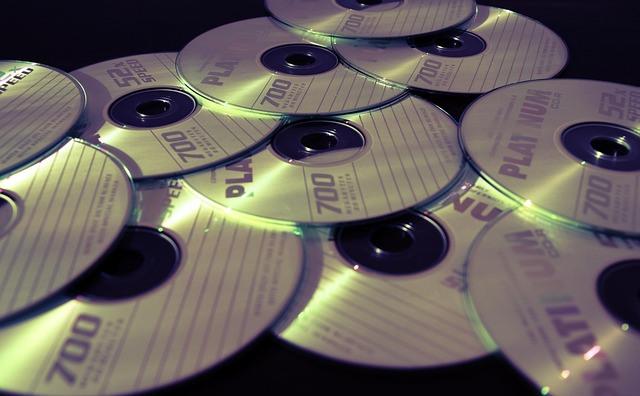
How long do DVDs last? There is no single lifespan that applies to every disc. A good-quality pressed DVD stored carefully may remain readable for decades, while recordable DVDs can be much less predictable. Disc construction, manufacturing quality, heat, humidity, sunlight, scratches and handling can all influence when a DVD eventually becomes difficult or impossible to read.
| DVD type | How it stores information | Preservation outlook |
| Commercial pressed DVD | Physical structure manufactured into the disc | Generally more durable |
| DVD-R / DVD+R | Recordable layer, commonly involving organic dye | Lifespan varies considerably |
| DVD-RW / DVD+RW | Rewritable recording layer | Not ideal as a sole long-term archive |
| Home-video DVD | Often recordable DVD media | Important recordings should be backed up |
Why DVD Lifespan Is Difficult to Predict
You may see claims that a DVD lasts 20 years, 50 years or even 100 years. Such figures need context. Longevity depends on material composition, storage conditions and handling.
Pressed DVDs and Recordable DVDs Are Different
Pressed DVDs
Commercial film and television DVDs are normally manufactured rather than recorded individually in a DVD writer.
Recordable DVDs
DVD-R and DVD+R discs work differently. Burned recordable optical discs commonly use an organic dye recording layer, which is more susceptible to degradation over time than the structure used in pressed discs.
What Actually Causes DVDs to Fail?
Heat
Higher temperatures can accelerate chemical deterioration.
Humidity
Excessive moisture and fluctuating relative humidity can contribute to deterioration of optical media and associated materials.
Sunlight and UV Exposure
DVDs should not be left exposed to direct sunlight for prolonged periods.
Scratches and Abrasion
Damage to the reading surface can interfere with the drive’s ability to retrieve information.
Poor Handling
Fingerprints, dirt and contamination can interfere with reading and encourage unnecessary cleaning.
What Is Disc Rot?
“Disc rot” is a broad informal term used for deterioration that eventually interferes with an optical disc’s readability. The most meaningful test is whether the disc can still be read successfully.
How Can You Tell If an Old DVD Is Starting to Fail?
Physical warning signs can include deep scratches, cracks, separation around the disc edge, unusual cloudy areas, discolouration, obvious contamination and warping.
Playback problems may include unusually long loading times, freezing, skipping, sections that cannot be accessed, pixelation or picture breakup, repeated read errors, or a disc recognised by one drive but not another.
Does Playing a DVD Wear It Out?
DVD playback differs fundamentally from playing analogue media such as VHS tape. The DVD is read optically by a laser, so normal playback does not involve a playback head physically contacting the recorded surface.
How Should DVDs Be Stored to Last Longer?
Keep DVDs in Proper Cases
Store discs in suitable individual cases rather than leaving them loose, stacked together or in places where the surfaces can rub.
Store Them Vertically
For long-term collections, storing discs upright in their cases is preferable to creating heavy horizontal stacks.
Choose a Stable Environment
Avoid lofts with large temperature variations, damp garages, sheds, direct sunlight, radiators, windowsills and excessively humid rooms.
Handle the Edges
Hold a DVD around its outside edge or centre opening.
Clean Only When Necessary
If cleaning is needed, avoid aggressive household cleaners or abrasive materials. NIST guidance on caring for CDs and DVDs provides detailed preservation advice.
Are Scratched DVDs Permanently Lost?
Not necessarily. A scratch does not automatically mean that all information on the DVD has disappeared.
Why Home-Recorded DVDs Need Particular Attention
Unlike a commercial DVD, you cannot simply purchase another copy if one fails. If your discs contain unique material, this is a strong reason to transfer important DVD recordings into modern digital files while they can still be read successfully.
Should You Convert DVDs Before They Stop Working?
For irreplaceable material, yes. Waiting until a DVD develops obvious problems makes preservation unnecessarily difficult.
DVD Versus Digital File: Which Is Better for Preservation?
| DVD-only archive | Managed digital archive |
| Dependent on physical disc | Can exist on multiple devices |
| Requires optical drive | Can migrate to newer storage |
| Physical damage affects source | Identical backup copies possible |
| Harder to duplicate regularly | Straightforward to back up |
| Format tied to optical media | Easier to move between systems |
Our guide to protecting recordings stored on optical discs explains why transferring the contents is only one part of long-term preservation.
What Should You Do With DVDs After Converting Them?
- Every required DVD has been transferred.
- The complete recording is present.
- Picture and sound play correctly.
- The files open on another device.
- Filenames identify the contents clearly.
- At least one additional backup exists.
Frequently Asked Questions About DVD Lifespan
Can DVDs last 100 years?
Some optical media may remain readable for very long periods under favourable conditions, but it is not sensible to assume that an individual DVD will survive for a century.
Do DVD-R discs deteriorate?
Yes. Recordable DVDs use recording technologies that can deteriorate.
Do commercial DVDs last longer than home-recorded DVDs?
Pressed commercial discs are generally considered more durable than recordable optical media, although neither is immune to physical damage or deterioration.
Can a DVD fail even if it has never been played?
Yes. Chemical and physical deterioration can occur during storage.
Is it safe to store DVDs in the loft?
A loft is generally not an ideal archive because temperatures and humidity can fluctuate substantially.
Should I copy 20-year-old DVDs now?
If they contain unique or important recordings, it is sensible to create verified digital copies rather than waiting for evidence of failure.
Don’t Wait for a DVD to Fail
There is no expiry date printed invisibly inside a DVD. Two apparently identical discs can have very different futures because of manufacturing differences, storage history, handling and recording technology.
And where a DVD contains unique family history, is already difficult to read or forms part of a large collection, ultimately it makes sense to choose a professional company with years of experience dealing with such orders, such as Supaphoto Ltd, rather than waiting until deterioration turns a straightforward transfer into a recovery problem.







Comment