Link building has never been static — but by 2026, it has fully crossed the line from a volume-driven SEO tactic into a trust, relevance, and authority game. What worked even three or four years ago is now ineffective at best and harmful at worst.
As search engines become better at understanding context, brand signals, and real-world authority, businesses are increasingly turning to specialized providers like Tlinks.io to execute link building strategies that align with modern SEO standards rather than outdated shortcuts.
Today, link building is no longer about how many links you can acquire—it’s about where those links come from, why they exist, and how they support your overall brand credibility.
Why Link Building Still Matters in 2026
Despite ongoing claims that backlinks are losing relevance, links remain one of the strongest indicators of authority in modern search algorithms. What has changed is how links are evaluated.
Search engines like Google now analyze backlinks through multiple layers, including:
- Editorial intent
- Topical relevance
- Brand legitimacy
- User engagement signals
Rather than acting as simple “votes,” links in 2026 function more like trust endorsements. A single contextual link from a respected publication can outperform dozens of irrelevant ones.
Google continues to reinforce this approach in its official guidance, including its documentation oln high-quality content and natural linking practices published via Google Search Central,
What No Longer Works in Link Building
Before diving into what works, it’s important to understand what no longer does.
Mass Guest Posting at Scale
Guest posting itself isn’t dead, but mass guest posting using the same templates, anchors, and websites across industries no longer produces results. Search engines easily detect patterns that suggest manipulation rather than editorial value.
Exact-Match Anchor Overuse
Over-optimized anchor text has become one of the clearest indicators of unnatural link building. In 2026, healthy link profiles are dominated by:
- Brand mentions
- Natural language anchors
- URL-based anchors
Low-Cost Link Packages
Cheap, high-volume link packages still exist—but they now pose a serious risk. These links are often ignored algorithmically or, worse, contribute to long-term trust erosion.
Private Blog Networks (PBNs)
Even carefully maintained PBNs struggle to survive. Improved pattern recognition, ownership detection, and link graph analysis have made these networks increasingly ineffective.
How Link Building Actually Works in 2026
Modern link building is built on quality, relevance, and credibility.
Editorial-First Link Acquisition
The strongest links today are earned through editorial placement. These come from:
- Industry publications
- Niche blogs with real audiences
- News outlets
- Thought leadership features
These links exist because the content deserves to be cited—not because someone paid for placement alone.
Relevance Beats Authority Metrics
High domain authority is no longer the ultimate goal. Instead, search engines evaluate how closely the linking content aligns with the topic of the linked page.
A highly relevant niche article often delivers more SEO value than a generic mention on a high-authority site.
Links That Drive Real Traffic
Referral traffic is an increasingly important signal. Links that generate real engagement send stronger trust signals than links no one clicks.
Link Building Across Niches: Why One Size No Longer Fits All
In 2026, link building strategies must be adapted to the specific niche, audience, and risk profile of each business.
For example, link building for law firms demands a far higher level of trust and editorial scrutiny than many other industries. Lawyers cannot afford links from questionable sources, as poor placements can negatively impact both rankings and brand reputation.
The same principle applies across other verticals:
- Healthcare websites need medically authoritative, educational links
- Finance brands require credibility-focused placements
- SaaS and B2B companies benefit from data-driven content and thought leadership
- Local services rely heavily on geographic and contextual relevance
Search engines now ask a simple but powerful question: “Does this link make sense for this business?”
If the answer is no, the link adds little or no value.
The Role of Link Building Tools in 2026
Automation hasn’t disappeared—but its role has evolved.
Modern link building tools are no longer used to spam inboxes or scrape massive prospect lists. Instead, they support smarter decision-making by helping teams:
- Analyze competitor backlink profiles
- Identify editorial opportunities
- Evaluate topical relevance
- Monitor link health and retention
The most effective teams use tools to inform strategy, not replace human judgment. Outreach, relationship-building, and content quality remain human-driven.
Why Specialized Providers Matter More Than Ever
As link building becomes more complex, many companies choose to work with specialized agencies rather than managing everything in-house.
Providers like Tlinks.io focus on:
- Editorial placements
- Niche relevance
- Long-term authority building
This approach aligns with how modern algorithms assess trust. Instead of selling links as commodities, specialized providers position link building as a brand credibility strategy.
Measuring Link Building Success in 2026
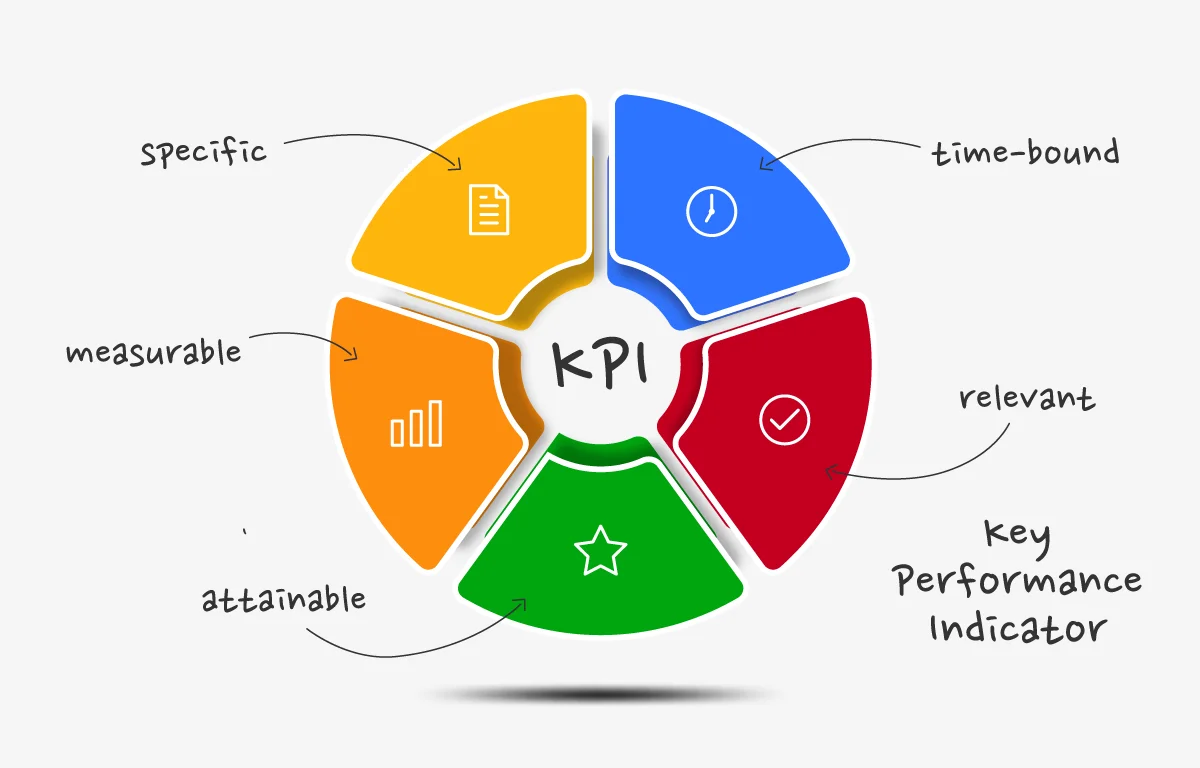
Traditional KPIs like “number of links built” are outdated.
Modern success metrics include:
- Keyword ranking improvements
- Organic traffic growth
- Referral traffic from links
- Brand mentions and visibility
- Conversion impact from organic sessions
The goal is sustainable growth—not short-term spikes.
Publishing Reputable Platforms as Part of a Link Strategy
High-quality content published on reputable platforms plays a crucial role in modern link building.
Being featured on established tech and business publications helps reinforce:
- Authority
- Industry relevance
- Brand trust
That’s why many companies include placements on platforms like TechBullion as part of their digital PR and SEO strategies.
Final Thoughts: Link Building Is About Trust Now
Link building in 2026 is no longer about exploiting loopholes—it’s about earning credibility.
Businesses that focus on:
- Editorial relevance
- Brand-first strategies
- Niche alignment
- Long-term authority
Will not only rank better, but also build lasting visibility and trust.
The shortcuts are gone. What remains is a smarter, cleaner, and more sustainable approach to link building—one that rewards businesses willing to invest in quality over volume.