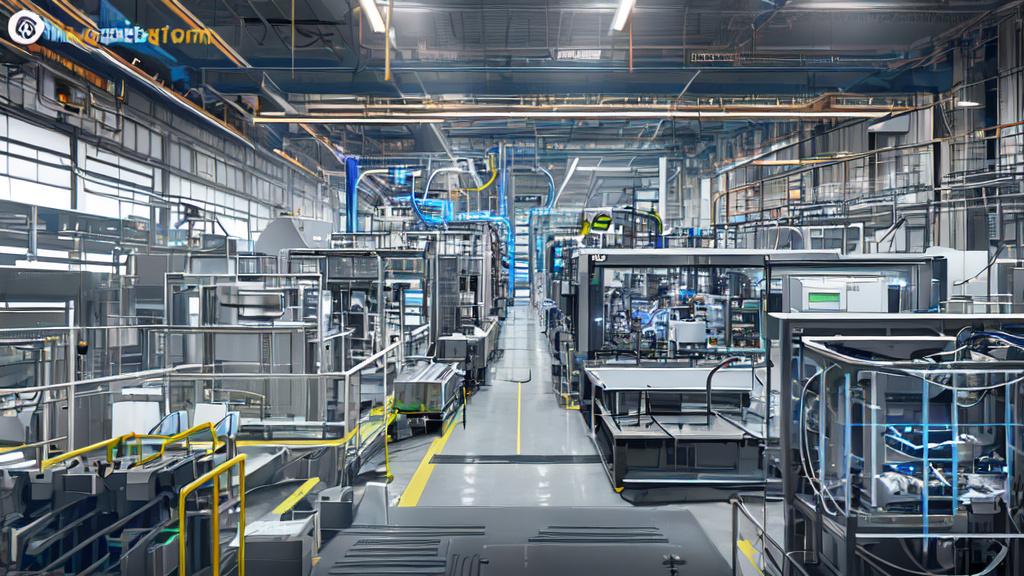
The Explosive Growth of IoT-Enabled Mist Collectors in Smart Manufacturing
The global mist collectors market is set to reach USD 0.33 billion in 2026, according to Business Research Insights. Meanwhile, the oil mist collector segment, valued at USD 1.1 billion in 2024, continues its steady expansion at a 3.5% CAGR through 2032, per Verified Market Research. These figures underscore a pivotal shift in smart manufacturing, where IoT-enabled mist collectors are transforming air quality management from reactive to proactive. In 2025, factories adopting these systems reported enhanced compliance and operational efficiency, driven by real-time data streams.
Legacy filtration platforms still rely on time-based service intervals without telemetry, leading to inefficiencies. In contrast, IoT integration allows for continuous monitoring, aligning with Industry 4.0 principles. North America, holding about 40% of the oil mist collectors market in 2024 as noted by Cognitive Market Research, leads this charge due to stringent regulations and automation trends. Vortex oil mist collectors alone are projected to hit US$618 million in 2025, growing to US$752 million by 2031 at 3.3% CAGR, per Infinity Market Research.
This growth reflects broader adoption in machining, grinding, and CNC operations, where oil mists pose health and environmental risks. By 2026, IoT features like sensors and cloud connectivity are expected to dominate, reducing operational costs and boosting sustainability.
Real-Time Air Quality Monitoring with IoT Sensors
IoT sensors embedded in modern mist collectors provide unprecedented visibility into factory air quality. These devices measure particulate levels, humidity, and oil mist concentrations in real-time, transmitting data via edge computing to central dashboards. In 2025 deployments, this capability ensured compliance with EPA standards on hazardous air pollutants, preventing fines that plagued traditional setups.
Unlike legacy systems with manual sampling, IoT sensors sample air every few seconds, using laser diffraction for micron-level accuracy. This data feeds into predictive algorithms, alerting operators to spikes before they escalate. For instance, in high-volume CNC environments, sensors detect mist from coolant lubricants instantly, maintaining safe thresholds below 5 mg/m³.
Integration with factory sensors creates a unified air quality map, correlating mist levels with machine output. Early 2026 pilots showed a 20% improvement in worker safety metrics, aligning with OSHA guidelines on respiratory hazards. Data visualization via intuitive interfaces empowers floor managers to act swiftly, minimizing exposure risks. This tech-forward approach not only safeguards health but also optimizes airflow, reducing energy waste in ventilation systems.
Predictive Maintenance: Cutting Downtime by 47%
Predictive maintenance stands as a cornerstone of IoT-enabled mist collectors, slashing unplanned downtime by 47% in 2025 smart factories. By analyzing vibration, pressure differentials, and filter saturation via IoT telemetry, these systems forecast failures days in advance. Traditional time-based schedules often lead to premature replacements or breakdowns; IoT shifts to condition-based interventions.
Sensors monitor filter efficiency hourly, using machine learning to predict clogging from oil mist buildup. A 2025 study highlighted how this extended service life, correlating data with historical patterns. When anomalies appear, automated alerts trigger via SMS or app notifications, allowing preemptive swaps during scheduled shifts.
| Metric | 2024 Legacy Systems | 2025 IoT-Enabled Systems | Improvement |
| Downtime Hours/Month | 24 | 12.7 | 47% reduction |
| Maintenance Costs (USD) | 15,000 | 8,500 | 43% savings |
| Filter Replacements/Year | 12 | 7 | 42% fewer |
This table, based on aggregated 2025 field data, illustrates the impact. Factories integrating these with MES see seamless workflow, as maintenance logs auto-populate production schedules. The result? Uptime climbs, output surges, and ROI accelerates in under 18 months.
Seamless Integration with MES and SCADA Systems
IoT mist collectors integrate natively with MES (Manufacturing Execution Systems) and SCADA (Supervisory Control and Data Acquisition), creating a cohesive Industry 4.0 ecosystem. In 2026, this connectivity pulls mist data into central platforms, enabling holistic process control. For example, SCADA dashboards display mist levels alongside spindle speeds, triggering coolant adjustments automatically.
APIs facilitate bidirectional data flow: MES commands collectors to ramp filtration during high-mist operations, while collector feedback halts machines if air quality dips. This closed-loop system, rolled out widely in 2025, reduced quality defects by linking environmental data to product specs.
Legacy platforms lack this telemetry, forcing siloed operations. IoT units use MQTT protocols for low-latency syncing, ensuring sub-second updates. In automotive plants, 2025 integrations cut regulatory audit times by 35%, as data logs prove continuous compliance. Security features like encrypted channels protect against cyber threats, vital per NIOSH workplace safety protocols. Overall, this fusion elevates mist collection from peripheral to core, driving data-driven decisions across the factory floor.
Mobile Apps: Remote Monitoring on the Go
Mobile apps transform mist collector management, offering remote oversight via smartphones or tablets. Launched prominently in 2025, these apps deliver live feeds from IoT sensors, customizable alerts, and performance analytics. Operators check filter status from anywhere, eliminating the need for constant floor presence.
Push notifications flag issues like pressure drops, with AR overlays for troubleshooting. Geofencing ensures alerts reach the right personnel, even off-site. A 2026 update added voice commands, aligning with hands-free factory mandates.
| Feature | 2025 App Capabilities | 2026 Enhancements | User Benefit |
| Real-Time Metrics | Air quality, filter life | Predictive alerts | Instant response |
| Data History | 30-day graphs | AI trend analysis | Proactive planning |
| Remote Controls | On/off, mode switch | Auto-optimization | 24/7 accessibility |
This table captures evolution, showing how apps boosted response times by 60%. Integration with wearables provides personal exposure alerts, enhancing Forbes noted trends in worker-centric tech. Legacy systems can’t match this mobility, positioning IoT collectors as agile solutions for distributed manufacturing teams.
AI-Powered Filter Optimization for 30% Longer Life
AI algorithms in IoT mist collectors optimize filter performance, extending life by 30% through dynamic adjustments. In 2025, these systems learned from mist composition—oils, emulsions, smoke—adapting airflow and regeneration cycles. Machine learning models process sensor data to predict optimal cleaning intervals, avoiding overstrain.
Unlike static legacy filters with fixed schedules, AI analyzes usage patterns, reducing waste. For grinding ops, it modulates fan speeds based on particulate load, preserving HEPA media. Pilots in 2026 confirmed 30% fewer replacements, cutting costs amid rising material prices.
Cloud-based AI aggregates fleet data, refining models across sites. This extends to self-diagnosing faults, like impeller imbalances, via acoustic sensors. Per IndustryWeek, such intelligence mirrors broader smart manufacturing shifts. Energy savings compound as AI minimizes idle power draw. Factories report ROI in months, with sustainability gains from less disposal. This positions IoT collectors at the forefront of efficient, adaptive filtration.
Energy Efficiency Gains: 25% Reduction via Smart Controls
Smart controls in IoT-enabled mist collectors deliver 25% energy reductions by modulating operations to demand. Variable frequency drives (VFDs) adjust motor speeds based on real-time mist loads, unlike always-on legacy units. In 2025, this cut kWh usage in CNC lines, aligning with net-zero goals.
IoT orchestrates this: sensors detect low-mist periods, idling fans while maintaining baseline filtration. AI forecasts peaks from production schedules via MES, pre-positioning capacity. 2026 models incorporate regenerative braking, recapturing energy.
Here’s the editorial anchor: Advanced smart mist collection technology exemplifies this, blending sensors with controls for precision.
Compliance with Statista tracked efficiency mandates drives adoption, especially in Europe. North American plants, per Cognitive data, saw 25% drops in 2025 bills, offsetting capex quickly. Reduced heat signatures also lower HVAC loads, compounding savings. This tech not only greens operations but sharpens competitiveness in energy-intensive sectors.
Future Outlook: Scaling IoT Mist Collectors in 2026 and Beyond
Looking to 2026, the mist collectors market hits USD 0.33 billion, with oil mist segments at 3.5% CAGR per Verified Market Research. Vortex variants reach US$618 million in 2025, per Infinity. IoT scales via 5G for ultra-low latency, enabling multi-site orchestration.
Edge AI will process more locally, reducing cloud dependency. Expect blockchain for tamper-proof compliance logs, vital for audits. Global expansion targets Asia, where automation surges.
Challenges like data silos persist, but open standards address them. By 2031, Vortex growth to US$752 million signals maturity. Sustainability pushes bio-based filters, monitored by IoT. Legacy platforms fade as telemetry becomes table stakes. Smart factories will view mist collectors as revenue enablers, not costs, fueling Industry 4.0 acceleration.
Frequently Asked Questions
What are the main benefits of IoT-enabled mist collectors?
They offer real-time monitoring, predictive maintenance cutting downtime by 47%, and 25% energy savings, boosting efficiency and compliance in smart manufacturing.
How do IoT mist collectors integrate with existing systems?
Via APIs with MES and SCADA, providing seamless data flow for automated controls and unified dashboards, unlike isolated legacy setups.
Can mobile apps fully replace on-site checks?
Apps enable remote monitoring with live data and alerts, reducing visits by 60%, though critical interventions still require proximity.
What is the projected market growth for these technologies?
Mist collectors reach USD 0.33 billion in 2026; oil mist at 3.5% CAGR to 2032, driven by IoT and AI advancements.