
The crypto presale market looks different in 2026 than it did during the last major cycle. Projects still launch, capital still flows into early-stage tokens, and investors still chase returns before exchange listings. But the approach has shifted. Fewer people buy blindly, and the projects that attract serious money tend to share specific characteristics that weren’t prioritized two years ago.
The market hasn’t abandoned early-stage opportunities. It’s just developed a clearer sense of what separates legitimate ventures from ones that fade quickly after launch.
Liquidity Plans Matter More Than Marketing
Projects used to succeed based on how well they marketed themselves during fundraising. A polished website, active social media presence, and aggressive community building could drive significant presale participation regardless of what happened after the token went live.
That still matters, but it’s no longer enough. Investors now pay closer attention to how projects plan to maintain liquidity post-launch. Tokens that list with thin order books or rely entirely on automated market makers without sufficient backing tend to struggle immediately. Price action becomes erratic, early buyers exit quickly, and the project loses credibility before it has a chance to build anything.
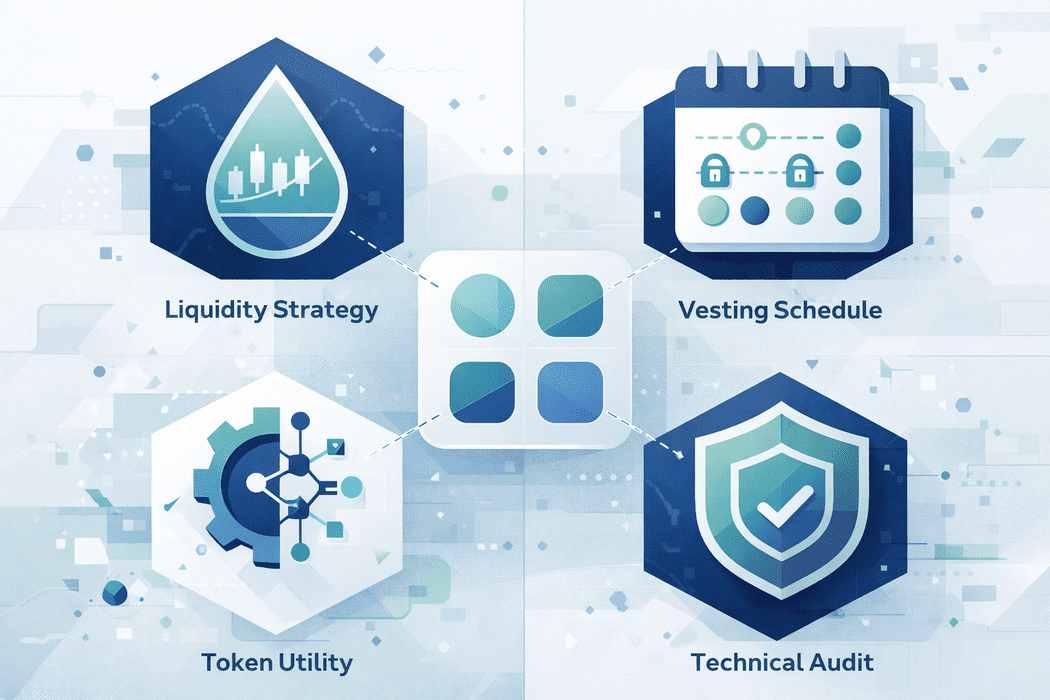
The projects attracting capital in 2026 are the ones that demonstrate clear liquidity strategies. This includes partnerships with market makers, structured vesting schedules that prevent immediate dumps, and realistic projections about trading volume. Understanding what drives sustainable launches has become standard practice for anyone seriously evaluating crypto presale opportunities.
Token Utility Gets Actual Scrutiny
Utility was always discussed, but for a long time it functioned more as marketing language than a real evaluation metric. Projects claimed their tokens would power ecosystems, enable governance, or facilitate payments, but few investors questioned whether these use cases were necessary or realistic.
By 2026, that’s changed. Investors ask direct questions about why a token exists and whether the project would function just as well without one. Many presales fail this test. Tokens created solely to raise capital or distribute speculative value rarely hold up under examination.
The projects that perform better tend to integrate their tokens into measurable activities. Payment processing, staking with clear yield sources, or governance tied to actual protocol decisions all qualify. These use cases don’t guarantee success, but they create reasons for the token to be held and used rather than immediately sold.
Vesting Schedules and Distribution Get Real Attention
Token distribution used to be buried in whitepapers that few people read carefully. Investors focused on presale price and listing projections without examining how many tokens team members held, when those tokens unlocked, or what percentage of supply would flood the market at launch.
That oversight cost people money. Projects with heavily concentrated team allocations and short vesting periods regularly experienced sharp sell-offs as insiders exited. Early presale buyers found themselves holding tokens that dropped 60% or 70% within weeks.
Investors now treat distribution analysis as essential. They look for balanced allocations where no single group controls excessive supply, vesting schedules that extend at least 12 to 24 months for team tokens, and mechanisms that prevent coordinated dumps. This shift has made identifying best crypto presales 2026 more complex, requiring deeper analysis of tokenomics rather than surface-level marketing promises.
Technical Execution Matters Earlier
Previously, technical execution was something investors evaluated after a project launched. In 2026, participants expect more transparency earlier. This includes third-party smart contract audits from recognized firms, public GitHub repositories showing active development, and testnets that demonstrate functionality before mainnet launch.
This doesn’t mean every presale needs to be feature-complete before fundraising. But investors want evidence that development is real and that the team can deliver on technical promises. Empty repositories, delayed audits, or vague timelines signal risk that experienced buyers now avoid.
Market Conditions Still Drive Everything
None of these changes eliminate market risk. Even projects with strong fundamentals can struggle if broader market conditions turn negative. What’s different in 2026 is that investors recognize this reality earlier. They understand that presale participation carries significant risk regardless of project quality, and they size positions accordingly.
Diversification across multiple early-stage opportunities has become standard practice, as has maintaining exposure to more liquid assets that can be exited quickly if needed.
Conclusion: The crypto presale market in 2026 rewards careful evaluation over enthusiasm. Projects succeed when they demonstrate liquidity planning, genuine utility, fair distribution, and technical competence. Investors who prioritize these factors still face risk, but they avoid the most obvious failures that plagued earlier cycles.