It’s late on a Tuesday night and a high school student is stuck on a chemistry diagram. Instead of spiraling into frustration, she pulls out her phone, opens an app, snaps a picture and the explanation appears instantly, in plain English. Then she moves on to a geometry problem and again, step-by-step guidance unfolds on screen. By bedtime, what started as academic dread has become an interactive learning session.
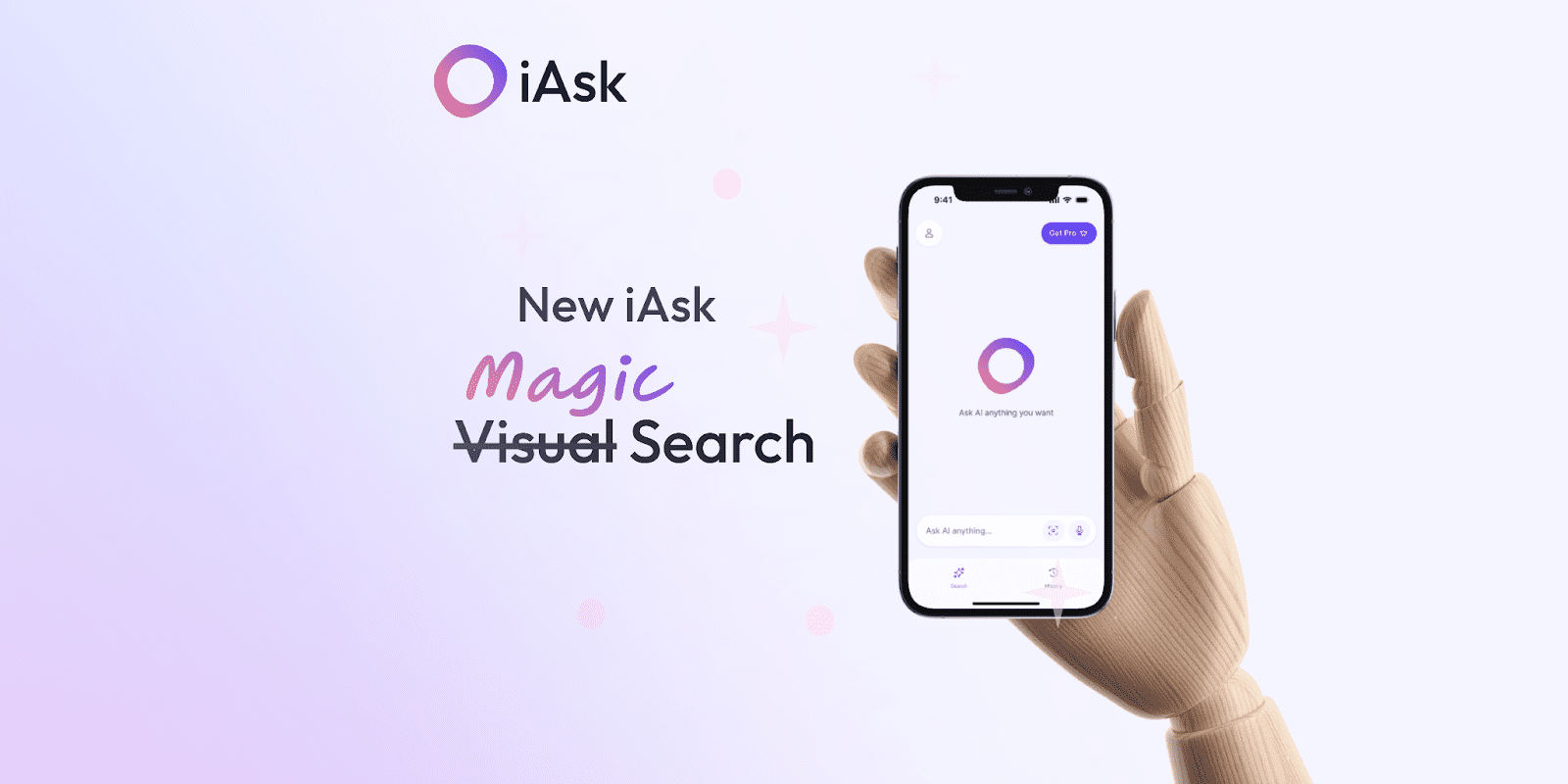
The app behind this magic is iAsk AI, which released a new AI feature that combines image recognition with real-time Q&A. Tech insiders are calling it “Google Lens for learning.” But to its growing base of Gen Z users, it’s something more personal: a pocket tutor, study buddy, and curiosity companion rolled into one.
iAsk has already helped answer over 500 million questions through text. Now, it’s unlocking a whole new way to ask AI questions: with a photo.
The Shift from “What Is This?” to “Explain This to Me”
Visual search isn’t new. Google Lens alone handles billions of searches each month, but iAsk is taking the concept further. Rather than just identifying what’s in a photo, it enables you to talk about it.
Snap a picture of a plant, and iAsk might say: “This is a peace lily.” Ask, “Why are the leaves yellow?” and it responds with context like overwatering symptoms. Show it a math problem and it will walk you through each step. Take a picture of foreign text and iAsk translates and simplifies. Diagrams, objects, even artworks—it doesn’t matter. iAsk will be able to tell you all about it.
“Recognition is just the beginning,” says Phillip DeRenzo, Head of Marketing at iAsk. “What students want is understanding. We built Visual Search so they can keep asking questions, just like they would with a teacher or friend.”
How It Works (Without the Jargon)
Using iAsk Visual Search is easy. Open the app, snap a photo or upload one, and the AI identifies what’s in the image. Then a chat window opens so you can ask follow-up questions. And that’s where the magic happens, because iAsk remembers the image context and lets you keep going.
Here is a video of iAsk Visual Search solving a difficult math problem in real-time.
“It’s like if Google Lens and ChatGPT had a student-focused baby,” said one college beta tester.
Why iAsk Stands Out
Here’s what makes it different:
- Follow-Up Conversations: Most apps give a one-shot result. iAsk keeps the conversation going.
- Education-First Answers: Not just answers – context, definitions, steps, translations.
- No Data Tracking: No saved images, no ads, no creepy targeting.
- Free and Cross-Platform: Works on iOS, Android, and web. No subscriptions or fancy devices needed.
Others offer parts of this. ChatGPT Vision can explain images, but it’s paid. Google Lens is fast, but it’s more for shopping. Snapchat Scan is fun, but not deep. iAsk is the perfect combination of all three.
Some Real-World Uses
People are using iAsk Visual Search in all kinds of creative ways:
- In Class: Teachers use it to decode ancient texts or diagrams during lessons.
- For Homework: Math, science, languages – students get guided help without breaking their focus.
- Language Learning: Snap and simplify signs, passages, or recipes from other languages.
- On the Go: People out hiking identify insects, plants, or landmarks and ask follow-ups on the spot.
- In College: From circuit diagrams to abstract art, iAsk helps unpack tough visuals fast.
“It’s like having Google, Wikipedia, and a tutor in your pocket,” says Tyler, a 19-year-old user. “I don’t just get answers. I actually get it.”
The Bottom Line
iAsk Visual Search is a new way to learn. For students, it turns a camera into a mentor. For parents and educators, it’s a safe, smart tool that helps curiosity flourish. And for the curious, it’s simply awesome.
Next time you’re wondering what something is or why it works the way it does, just take a picture. Then ask iAsk.