Healthcare organizations face increasing competition as more patients search online before choosing a doctor, clinic, or hospital. A strong online presence is no longer optional—it is a necessity. From private practices to large healthcare systems, medical providers need effective digital marketing strategies that improve visibility, build trust, and attract qualified patients.
One of the most effective ways to achieve these goals is through healthcare SEO services for medical practices. By optimizing websites for search engines and patient experience, healthcare providers can appear in front of people actively searching for medical care in their area. This approach creates long-term growth without relying solely on paid advertising.
Why SEO Matters in Healthcare
Most patients begin their healthcare journey with an online search. Whether they are looking for a family physician, specialist, dentist, or urgent care center, search engines are often the first stop.
When a medical website ranks on the first page of Google, it has a much better chance of attracting visitors and converting them into patients. Healthcare SEO focuses on improving search rankings while also creating a website that is informative, trustworthy, and easy to navigate.
Unlike short-term advertising campaigns, SEO continues delivering value over time by generating consistent organic traffic.
The Changing Behavior of Healthcare Consumers
Today’s patients expect quick access to reliable medical information. They compare providers, read online reviews, and evaluate websites before scheduling appointments.
A healthcare website should provide:
- Clear service descriptions
- Physician profiles
- Contact information
- Appointment scheduling
- Educational health resources
- Mobile-friendly browsing
- Fast loading speeds
When these elements are combined with effective SEO, patients are more likely to trust the practice and choose it over competitors.
Core Elements of Healthcare SEO
Healthcare SEO involves much more than inserting keywords into website content. It includes several technical and marketing components working together.
High-Quality Medical Content
Educational content answers patient questions while demonstrating medical expertise. Articles, treatment pages, FAQs, and preventive care guides help users find valuable information.
Content should be:
- Accurate
- Easy to understand
- Updated regularly
- Written for patients rather than search engines
Google rewards websites that provide helpful and trustworthy medical information.
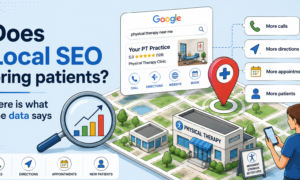
Local SEO
Most healthcare providers serve local communities.
Local SEO helps practices appear in searches like:
- Family doctor near me
- Pediatric clinic nearby
- Orthopedic surgeon in my city
Important local SEO tasks include:
- Optimizing Google Business Profile
- Maintaining accurate contact information
- Collecting patient reviews
- Building local citations
These efforts improve visibility in local search results and Google Maps.
Building Trust Through Expertise
Healthcare is one of Google’s highest-trust industries because it directly affects people’s well-being.
Medical websites should demonstrate:
- Professional credentials
- Licensed practitioners
- Evidence-based information
- Updated content
- Secure browsing (HTTPS)
- Privacy compliance
Adding author biographies, certifications, and credible references helps establish authority.
Technical SEO Improves User Experience
Even the best content may struggle if the website has technical problems.
Technical optimization includes:
- Fast page loading
- Mobile responsiveness
- Secure connections
- Structured data
- Clean website architecture
- Proper indexing
Search engines favor websites that deliver excellent user experiences.
Keyword Research for Healthcare
Every successful SEO campaign starts with understanding what patients search for.
Examples include:
- Pediatric services
- Sports injury treatment
- Cosmetic dermatology
- Physical therapy
- Heart specialist
- Women’s healthcare
Long-tail keywords often convert better because they reflect specific patient needs.
An effective healthcare SEO strategy to rank higher on Google focuses on targeting search terms that match patient intent while creating comprehensive content around those topics.
The Importance of Mobile Optimization
Most healthcare-related searches now happen on smartphones.
A mobile-friendly healthcare website should offer:
- Easy navigation
- Click-to-call buttons
- Online appointment booking
- Fast image loading
- Readable fonts
- Responsive layouts
Google also prioritizes mobile-friendly websites in search rankings.
Online Reviews Influence Patient Decisions
Reviews play a major role in healthcare marketing.
Positive reviews help:
- Build trust
- Improve local SEO
- Increase appointment requests
- Strengthen brand reputation
Medical practices should encourage satisfied patients to leave honest reviews while responding professionally to feedback.
Creating Content That Answers Patient Questions
Healthcare content should solve real problems rather than simply promote services.
Useful content ideas include:
- Common symptoms
- Treatment options
- Preventive care tips
- Recovery timelines
- Frequently asked questions
- Seasonal health advice
This educational approach attracts visitors and builds confidence in the provider’s expertise.
Measuring SEO Success
Healthcare organizations should regularly monitor performance using analytics tools.
Important metrics include:
- Organic traffic
- Keyword rankings
- Appointment requests
- Bounce rate
- Page engagement
- Local search visibility
- Conversion rate
These insights help refine marketing strategies over time.
Why Healthcare Providers Need Specialized SEO
Healthcare marketing has unique challenges. Medical content must meet high standards for accuracy while complying with advertising regulations and patient privacy expectations.
Working with a specialized healthcare SEO company for hospitals and clinics allows organizations to implement proven optimization strategies tailored specifically to the healthcare industry. Experienced professionals understand how to improve visibility while maintaining compliance and building patient trust.
Future Trends in Healthcare SEO
Healthcare SEO continues evolving as search engines become smarter.
Growing trends include:
- AI-powered search
- Voice search optimization
- Video health education
- Personalized patient experiences
- Enhanced local search features
- Structured medical data
Healthcare providers that adapt to these trends will remain competitive in an increasingly digital landscape.
Conclusion
Healthcare SEO has become an essential investment for medical practices, clinics, and hospitals looking to grow their patient base. By combining valuable content, technical optimization, local SEO, and trustworthy online experiences, healthcare providers can improve visibility and attract patients who are actively searching for medical services.
A well-executed SEO strategy not only increases website traffic but also builds long-term credibility, strengthens patient relationships, and supports sustainable business growth in today’s competitive healthcare market.