
How Generative Engine Optimization Is Changing Online Visibility

Introduction
Online visibility has traditionally depended on how well a website ranks in search engine results. Businesses invested in keywords, backlinks, technical SEO, and content to attract visitors from Google and other search platforms. While these practices remain important, the way people discover information online is gradually changing.
AI-powered search experiences can now provide direct answers, summarize information from multiple sources, and recommend brands based on a user’s question. Instead of browsing several websites, users may receive a response that highlights a few relevant businesses or services.
This shift is creating new opportunities and challenges for Malaysian businesses. Generative Engine Optimization (GEO) is becoming an important consideration for brands that want to remain visible as search experiences evolve.
From Search Engine Rankings to AI-Generated Answers
Traditional search engines generally present a list of links that users can explore. AI-powered search tools take a different approach by generating responses that combine information from different sources.
For businesses, this means visibility is no longer limited to appearing on the first page of search results. A brand may also want its expertise, products, or services to be mentioned in an AI-generated answer.
For example, someone searching for a digital marketing agency in Kuala Lumpur might receive a list of recommendations with explanations about each provider. A business that is not prominently featured in conventional search results may still have opportunities to be discovered through these newer experiences, although inclusion is never guaranteed.
GEO focuses on improving the likelihood that a brand’s information will be understood, considered, and referenced by generative search systems.
Why GEO Matters for Malaysian Businesses
Malaysia’s business environment includes companies competing across local and international markets. From professional services and retail to technology and hospitality, businesses depend on digital channels to reach potential customers.
As AI-powered search becomes part of the discovery process, companies need to consider how their brands appear beyond traditional search rankings.
GEO can support this effort by helping businesses present clear information about their expertise, services, products, and reputation. It also encourages brands to consider how they are represented across independent publications, industry websites, and other credible online sources.
This does not mean abandoning SEO. A technically sound website, useful content, and a strong search presence can still provide an important foundation. GEO builds on these fundamentals while considering the additional ways AI systems discover and present information.
Building a Clear and Recognisable Brand Entity
One of the important aspects of generative search visibility is helping online systems understand exactly what a business does.
A company’s website should clearly explain its services, target audience, location, areas of expertise, and relevant experience. Business names, contact details, service descriptions, and other important information should remain consistent across the website and reputable third-party platforms.
Structured data can also help search engines interpret information about a business, its services, and its organisation. However, structured data alone does not guarantee that an AI system will recommend or mention a brand.
Businesses should also develop useful supporting pages that answer common customer questions. When the information is accurate, specific, and easy to understand, it becomes easier for both people and automated systems to interpret the company’s expertise.
Creating Content That Answers Real Questions
Content strategies are also evolving. Publishing large volumes of generic articles is unlikely to provide the same long-term value as creating useful resources that address genuine customer needs.
Malaysian businesses can start by identifying the questions customers ask before making a purchase or choosing a service provider. These might include pricing, service comparisons, implementation processes, common problems, and factors to consider before making a decision.
For example, a software company could publish practical guides explaining how its solutions work, while a financial services business could create educational content that clarifies common industry terms.
Strong content should provide direct answers, relevant context, and reliable supporting information. Clear headings, descriptive language, and well-organised sections can make the material easier to navigate.
The objective is not simply to insert keywords into articles. It is to build a useful information resource that demonstrates genuine knowledge and helps potential customers make informed decisions.
Why Brand Authority Extends Beyond Your Website
A company’s website is only one part of its online reputation. Independent coverage, industry publications, relevant directories, professional interviews, and credible mentions can also contribute to how people perceive a business.
This makes digital PR and reputation management relevant to GEO. When a brand is discussed by trustworthy sources, those references can provide additional context about its products, services, and industry experience.
However, not every mention carries the same value. Relevant editorial coverage and accurate business information are more useful than large numbers of unrelated or low-quality placements.
Businesses should focus on earning meaningful coverage, maintaining consistent information, and developing relationships with publications that reach their intended audience.
For companies exploring this area, working with a specialist GEO agency Kuala Lumpur may help them assess their existing visibility, identify content and reputation gaps, and build a more coordinated approach to AI search.
The Relationship Between SEO, AEO, and GEO
GEO is closely related to established search optimisation practices, but the terms describe different areas of focus.
Search Engine Optimization (SEO) aims to improve a website’s visibility in traditional search results. Answer Engine Optimization (AEO) focuses on presenting information in ways that make it suitable for direct answers and answer-focused search experiences. GEO focuses on visibility within generative AI responses and recommendation experiences.
These areas overlap in several ways. All benefit from useful content, clear website structure, accurate information, and a credible online presence.
Businesses do not necessarily need three completely separate strategies. In many cases, a coordinated approach can help them maintain traditional search performance while adapting their content and brand presence for newer discovery channels.
The right balance depends on the company’s audience, industry, competition, and business objectives.
Measuring Visibility in AI-Powered Search
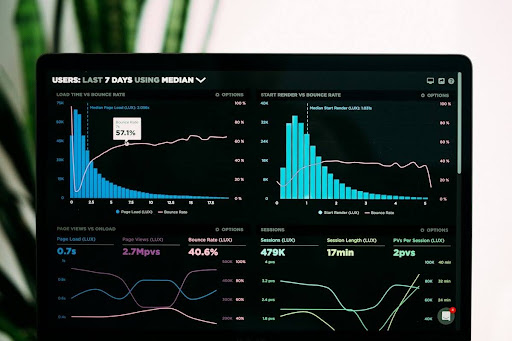
Traditional SEO reporting often focuses on keyword rankings, organic traffic, impressions, and conversions. These measurements remain valuable, but they may not fully capture how a business appears in AI-generated responses.
Companies can begin monitoring a selection of relevant customer questions across the AI search platforms their audiences use. They can record whether the brand appears, how it is described, which sources are referenced, and whether competitors are mentioned instead.
Referral traffic from AI platforms may provide another useful signal when analytics tools can identify those visits. Businesses should also track enquiries, leads, and sales to understand whether changes in visibility contribute to meaningful outcomes.
AI responses can vary depending on the platform, query, and context, so a single result should not be treated as definitive evidence of performance. Consistent testing and clear reporting provide a more useful picture over time.
GEO Opportunities for Small and Large Businesses
Small and medium-sized businesses can begin with practical improvements rather than investing in a complicated campaign immediately. Clear service pages, accurate business profiles, useful FAQs, relevant industry mentions, and strong local information can provide a sensible starting point.
Larger organisations may need a broader approach covering multiple services, locations, languages, and product categories. They may also need coordinated reporting across marketing, communications, content, and technical teams.
For Malaysian businesses targeting audiences in different regions, content should reflect local terminology, customer expectations, and market conditions. A strategy designed for Kuala Lumpur may need adjustments when targeting customers in Penang, Johor Bahru, Singapore, or other markets.
Regardless of company size, the priority should be to build a trustworthy and understandable online presence instead of chasing short-term visibility across every emerging platform.
Conclusion
Generative Engine Optimization is changing how businesses think about online discovery. Traditional rankings remain important, but AI-generated answers and recommendations are creating additional ways for potential customers to encounter brands.
Malaysian businesses can prepare by strengthening their SEO foundations, publishing helpful content, maintaining accurate business information, and developing a credible presence across relevant third-party sources. They can then monitor AI visibility alongside established performance indicators to understand what is working.
GEO is still evolving, and no agency or optimisation method can guarantee inclusion in AI-generated answers. Businesses that focus on clarity, relevance, expertise, and genuine value will be better positioned to adapt as digital search continues to develop.






Comment