
How Free Image to Image AI Is Changing the Way Brands Test Visual Ideas

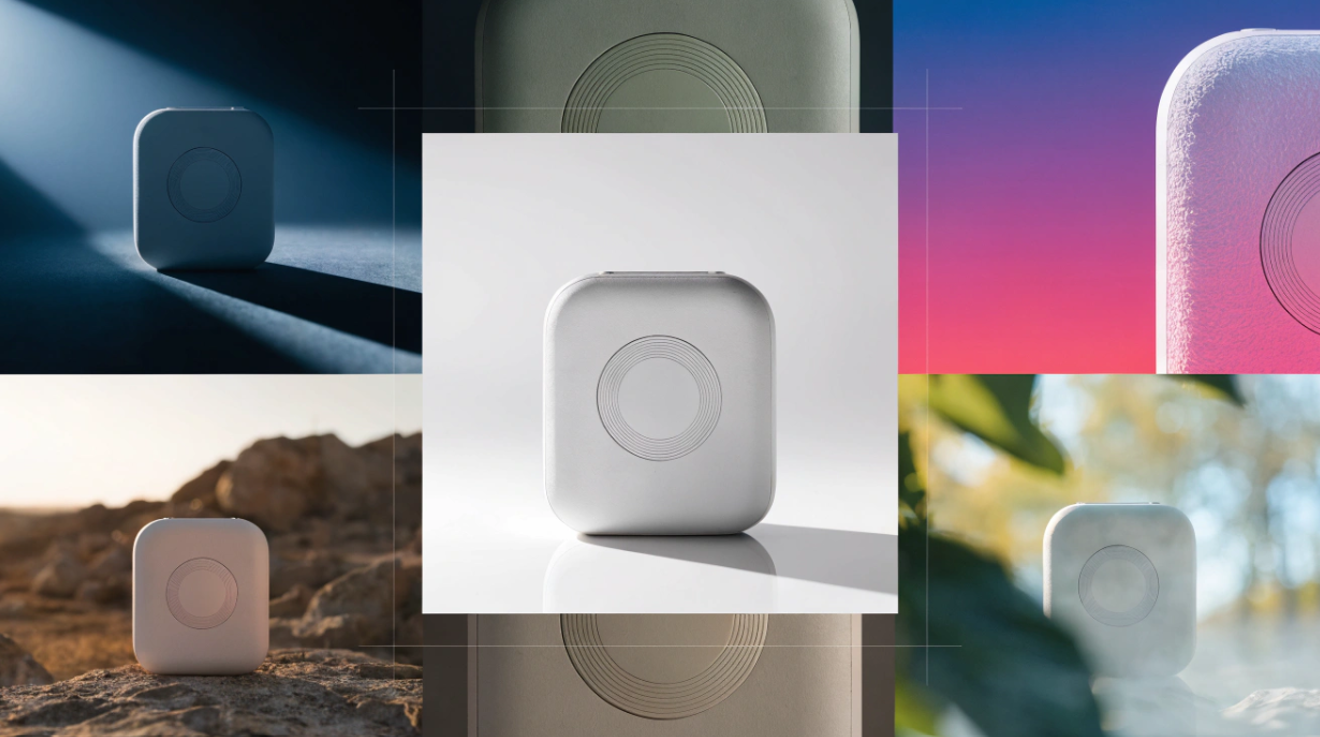
Testing a visual idea used to be expensive. A brand that wanted to see how a product might look with a different background, a new color scheme, or an entirely different mood had to commission new photography, hire a designer, or wait on a creative team’s schedule. Free Image to Image AI has changed that equation by letting anyone upload an existing photo and generate variations of it in minutes, without a production budget attached to every experiment.
Why Testing Visual Ideas Used to Be So Costly
Traditional creative testing followed a predictable pattern. An idea would need to be described to a designer or photographer, who would then produce a single version of it. If that version didn’t work, testing an alternative meant starting the process over, often with additional cost and additional time. This made it difficult to explore more than a handful of directions before a campaign, product launch, or piece of content needed to ship.
Because experimentation was expensive, many teams simply avoided it. Ideas were chosen based on instinct or precedent rather than actual comparison, since testing five different visual directions for a single campaign wasn’t realistic on most budgets or timelines.
What Changes When Testing Is Free
Removing cost from the equation changes behavior in a fairly predictable way. When a brand can generate several visual variations of the same product photo or campaign image without paying for each one individually, testing becomes a normal part of the creative process rather than an expensive exception.
A few ways this shows up in practice:
- A product photo can be tested against multiple backgrounds before choosing which one performs best in a campaign
- A single image can be reimagined in several different art styles to see which tone resonates with a target audience
- Color palettes and lighting moods can be adjusted quickly to match seasonal campaigns or specific platform aesthetics
- Early concept visuals can be explored before committing budget to a full photoshoot or design project
None of this requires new photography or a redesign from scratch. It only requires an existing image and a clear description of the variation being tested.
Where This Fits Into a Brand’s Creative Process
Free Image to Image AI tends to work best as an early stage tool rather than a replacement for final production work. Before committing to a specific visual direction, a brand can test several options quickly, narrowing down which concept is worth investing further design or photography resources into.
This shifts the creative process itself. Instead of choosing a direction early and hoping it performs well, a team can compare multiple real visual options side by side before making a decision. This tends to reduce the risk of investing heavily in a direction that doesn’t resonate, since the comparison happens before the expensive part of production begins.
Practical Applications Across Different Teams
This kind of tool tends to be useful across more parts of a brand’s operation than might be obvious at first.
Marketing teams can test how a single hero image performs across different visual styles before finalizing a campaign. Social media teams can quickly adapt one photo into several stylistic variations to see which version gets better engagement. Product teams can preview how a product might look with different finishes or color options before manufacturing samples. E-commerce teams can generate lifestyle-style variations of a plain product photo without arranging a new photoshoot for every listing.
In each case, the underlying benefit is the same. A brand gets to see more options before committing resources to just one.
Why Free Access Specifically Matters
Paid tools can offer similar capabilities, but cost still shapes behavior even when the price is relatively low. When there’s a cost attached to each generation, teams tend to be more conservative, testing only ideas they already believe will work rather than genuinely exploring the range of what’s possible. Free Image to Image AI removes that hesitation, encouraging broader experimentation since there’s no financial downside to trying an idea that doesn’t ultimately get used.
This matters most for smaller brands and teams without a dedicated design budget for constant testing. A small business testing five different product photo styles costs nothing extra beyond time, which puts this kind of experimentation within reach of teams that couldn’t previously justify it.
What to Keep in Mind When Testing at This Scale
Generating many variations quickly is valuable, but it works best when paired with a clear sense of what’s actually being tested. Vague prompts tend to produce inconsistent results, while specific descriptions of the intended style, mood, or change usually produce results that are easier to compare directly against each other.
It also helps to test variations against a real goal, such as audience engagement, click-through rate, or internal team feedback, rather than generating options purely for the sake of variety. The value of free experimentation comes from using it to make better decisions, not simply from producing more visual content.
A Shift in How Creative Decisions Get Made
The broader impact of this technology isn’t just faster production. It changes how creative decisions get justified. Instead of relying primarily on instinct or precedent, brands can point to actual visual comparisons made before a final direction was chosen. This doesn’t remove the need for creative judgment, but it gives that judgment more to work with.
Smaller teams in particular benefit from this shift, since it narrows the gap between what a well-resourced creative department can test and what a lean marketing team can realistically explore on its own.
How This Differs From Traditional A/B Testing
Brands have long tested visual performance through A/B testing on live campaigns, comparing how two versions of an ad or page perform with real audiences. Free Image to Image AI adds an earlier stage to this process. Instead of only testing between a small number of finished options that were expensive to produce, a team can generate a wider range of visual directions before anything goes live, then narrow that pool down using internal review or smaller scale testing before committing to a full campaign rollout.
This earlier filtering stage tends to improve the quality of what eventually reaches formal A/B testing, since the options being compared have already been through a round of visual refinement rather than being the only two versions a limited budget allowed for.
Getting Started
For brands interested in trying this approach, Free Image to Image AI offers a way to upload an existing photo and generate stylistic or conceptual variations without cost standing in the way of experimentation. As more brands adopt this kind of testing into their regular workflow, the advantage increasingly goes to teams willing to compare several real options before committing to one, rather than those relying on a single early guess about what will work. Over time, this shift tends to favor brands that treat visual direction as something to be tested and refined, rather than something decided once and carried through an entire campaign without revisiting whether it was the strongest option available.




Comment