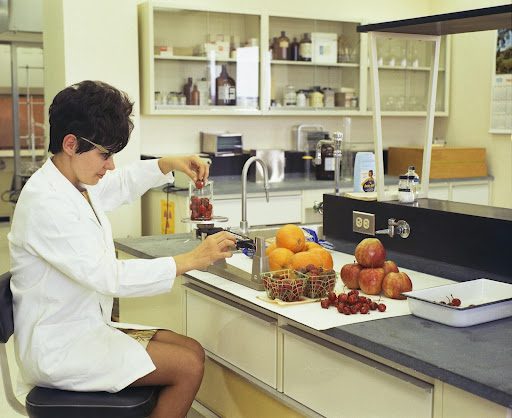
Food-tech is no longer a niche. In 2026, it’s reshaping everything from what goes on our plates to how food is grown, packaged, and sold. Here is a look at the key themes and standout companies—presented in a friendly and accessible way.
- Sustainable and Alternative Proteins
Aleph Farms: Cultivated meat pioneer
Israel’s Aleph Farms develops beef grown directly from animal cells. According to life‑cycle studies, producing cultivated beef at scale with renewable energy can cut greenhouse‑gas emissions by 92 percent, reduce land use by 90 percent, and shrink pollution by 94 percent when compared with conventional European beef. Because the meat is grown in weeks rather than months, the process uses fewer resources and avoids slaughter, making it a sustainable option for the future of meat.
Mirai Foods: 3‑D tenderloin from cells
Switzerland’s Mirai Foods uses “Fibration Technology” to grow tenderloin steaks in a bioreactor. In 2024, the company debuted the world’s first cultivated tenderloin, producing a centerpiece in five days that mimics real meat without slaughter. The breakthrough underscores how demand for meat could be met through cell‑grown cuts rather than traditional farming.
Solar Foods: Protein from thin air
Finland’s Solar Foods grows a single‑cell protein called Solein™ from air, water, and renewable electricity. Their proprietary bioprocess ferments microbes using carbon dioxide and hydrogen, producing a nutritionally rich powder that can take on various flavors. Solar Foods’ first commercial facility began producing Solein in April 2024, and by 2026, the company aims to scale production to supply alternative proteins at retail.
- Automation, AI, and Robotics
Impossible Foods: AI‑driven plant‑based meat
Impossible Foods uses AI algorithms, nicknamed “Gusto,” to analyze data on flavor, texture, and nutrition when creating plant‑based meats. These algorithms help the company develop products that mimic meat, optimize production processes, and identify new plant ingredients.
Innovafeed: Robotic farms
At Innovafeed, automated systems sprinkle eggs and food into plastic trays, stack them in controlled rooms, and later use cameras and AI to count surviving larvae and replenish their feed. Robots handle most of the work, reducing labor and improving efficiency.
Novameat: 3‑D‑printed meat alternatives
Spanish startup Novameat creates vegetarian steaks by printing a plant‑based paste of rice, peas, and seaweed protein into a fillet using a custom 3‑D printer. Founder Giuseppe Scionti designed the technology to replicate the fibrous texture of beef or chicken while decreasing the environmental impact of meat production.
- Investment and Market Momentum
Heura: European plant‑based leader
In May 2025, the European Investment Bank invested €20 million in Spanish food‑tech firm Heura. The funding supports research into new plant‑based products and underscores Heura’s leadership in southern Europe.
ICL Goup: Enabling food innovation through ingredients
Israel-based ICL Group is best known for fertilizers, but it also plays a role in food technology through functional, mineral-based ingredients. These solutions help food manufacturers improve texture and stability, reduce sodium, and extend shelf life, supporting the scalability of next-generation and alternative foods without compromising taste or functionality. Through its broader innovation and investment activities, ICL also contributes to more resilient and resource-efficient food supply systems.
- Personalized Nutrition and Digital Platforms
Cropin: Digital tools for farmers
India‑based Cropin provides AI‑powered software and satellite data to help farmers monitor crops, predict problems, and make better decisions. Its platform has digitized over five million acres and improved the lives of more than 2.1 million farmers, showing how data can improve yields and resilience.
Apollo Agriculture: Fintech for smallholders
Kenya’s Apollo Agriculture uses machine‑learning models and remote sensing to offer credit, quality seeds, insurance, and agronomic advice to small farmers. The company has reached more than 350,000 farmers in Kenya and Zambia, helping them increase productivity and income.
- Regulatory and Market Dynamics
Artificial dye phase‑out
In July 2025, the U.S. Department of Health and Human Services praised the Consumer Brands Association for pledging to remove petroleum‑based food colors by December 31, 2027. This initiative is part of the “Make America Healthy Again” movement and pressures manufacturers to replace synthetic dyes with natural alternatives.
WK Kellogg Co: Legally binding deal
WK Kellogg signed a legal agreement with Texas authorities to remove artificial dyes from Froot Loops and other cereals by the end of 2027. The agreement marks the first legally binding commitment by a food company to phase out petroleum‑based colors.
Nestlé USA: Earlier timeline
Nestlé USA announced that more than 90 percent of its U.S. portfolio already lacks synthetic dyes and committed to fully removing artificial colors by mid‑2026. The company joins peers in reformulating products under consumer and regulatory pressure.
- Food Waste Reduction and Recycling
Divert Inc.: Converting waste to energy
U.S. company Divert partners with more than 5,000 retailers to manage unsold food. Since starting operations, the firm has processed 2.3 billion pounds of food waste, donating 9.6 million meals and converting the remaining waste into renewable energy through anaerobic digestion. Biogas from this process powers farms and communities, demonstrating that waste can be part of a circular food system.
Apeel Sciences: Coatings to keep produce fresh
Apeel creates plant‑based edible coatings that slow water loss and oxidation, allowing fruits and vegetables to stay fresh longer. The company reports that its coatings have saved 166 million pieces of produce from going to waste and conserved significant water resources.
What It Means for 2026
By 2026, food technology will have moved decisively from experimentation to execution, becoming core infrastructure for how food is produced, formulated, and delivered at scale.
Food‑tech companies are transforming the industry in several ways:
- New proteins for a changing planet. Cultivated meat (Aleph Farms, Mirai Foods) and air‑grown proteins (Solar Foods) offer alternatives that reduce emissions and resource use.
- Smarter production. AI and robotics (Impossible Foods, Innovafeed, Novameat) streamline product development and automate farming, making production more efficient.
- Less waste, more circularity. Companies like Divert and Apeel cut food waste through recycling and packaging innovations.
- Data‑driven farming. Digital platforms (Cropin, Apollo Agriculture, ICL) give farmers tools to increase yields and sustainability.
- Healthier ingredients. Regulators and big brands (Kellogg, Nestlé) are phasing out synthetic dyes, signaling a shift toward cleaner labels.
Together, these innovations point to a future in which food is produced more sustainably, waste is minimized, and consumers enjoy healthier, more personalized options.