
How Fiber Laser Cutting Is Reshaping Modern Metal Manufacturing

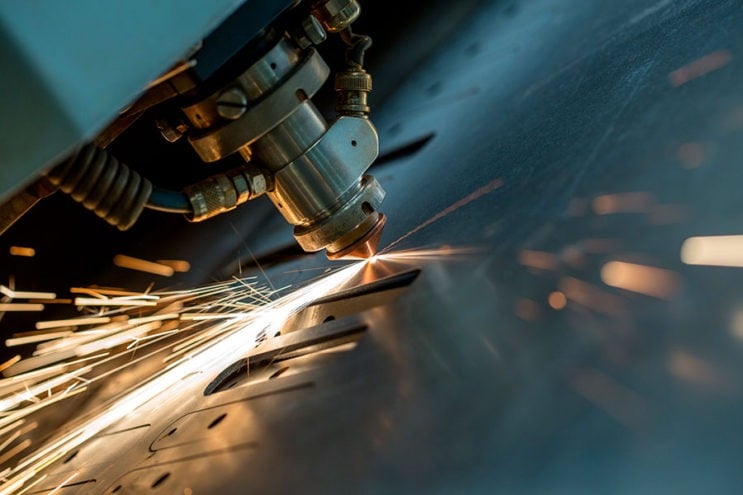
Metal manufacturing is changing as manufacturers look for better ways to improve production efficiency, maintain consistent quality, and control material costs. Among the technologies supporting this shift, fiber laser cutting has become an important solution for processing sheet metal, tubes, and structural components.
Unlike traditional cutting methods that may require multiple processing steps, fiber laser technology uses a focused laser beam to create precise cuts directly from digital production data. This makes it suitable for manufacturers dealing with different materials, part geometries, and production volumes.
Why Fiber Laser Cutting Matters in Modern Manufacturing
Modern metal fabrication is no longer focused only on cutting a piece of material as quickly as possible. Manufacturers also need to consider material utilization, repeatability, production flexibility, and the amount of downstream processing required.
Fiber laser cutting can address several of these requirements at the same time.
The concentrated laser beam allows manufacturers to create detailed contours and small features with high precision. Digital cutting programs can also be adjusted quickly when production requirements change, which is particularly useful for businesses handling multiple part designs or small and medium production batches.
For manufacturers, this flexibility can make a difference when moving from one production order to another without extensive tooling changes.
Improving Material Utilization
Material cost is an important consideration in metal fabrication. Poor nesting, excessive kerf width, or unnecessary cutting paths can increase scrap and reduce the usable value of each sheet.
Modern fiber laser cutting systems can work with nesting software to arrange parts more efficiently on a sheet. Better nesting does not eliminate material waste completely, but it can help manufacturers make better use of available material.
This becomes especially important when processing expensive metals or producing large quantities of parts. Even a small improvement in material utilization can have a meaningful effect on overall production costs over time.
Supporting Different Metal Applications
Another advantage of fiber laser technology is its versatility across different metal materials.
Depending on the machine configuration and laser power, manufacturers can process materials such as carbon steel, stainless steel, aluminum, brass, and other metals. Different applications may require different cutting parameters, assist gases, nozzle configurations, and focusing conditions.
This means that choosing a laser cutting machine should not be based on laser power alone. The material range, thickness requirements, working format, production volume, part geometry, and expected production workflow all need to be considered together.
From Sheet Metal to Tube Processing
The development of laser technology has also expanded beyond conventional sheet metal cutting.
Tube laser cutting systems can process round tubes, square tubes, rectangular tubes, and other profiles. By combining cutting and positioning functions in one system, manufacturers can produce holes, slots, contours, and other features directly on tubular materials.
This can reduce the need for separate drilling, sawing, or machining operations for certain applications.
Tube laser cutting is particularly relevant to industries producing frames, structural components, machinery parts, automotive components, and other products that rely heavily on tubular materials.
The Role of Automation
As manufacturing becomes more connected, laser cutting equipment is increasingly being integrated with automation systems.
Automated loading and unloading, material storage, nesting software, and production management systems can help manufacturers reduce repetitive handling and improve workflow consistency.
However, automation does not necessarily mean removing operators from the production process. Instead, the goal is often to allow operators to spend more time on production supervision, quality checks, programming, and other higher-value tasks.
For manufacturers considering an equipment upgrade, the right level of automation depends on production volume, material handling requirements, factory layout, and investment plans.
Choosing the Right Laser Cutting Solution
There is no single laser cutting machine that fits every manufacturing operation.
A small fabrication shop producing customized parts may have very different requirements from a large manufacturer processing heavy steel structures. Working area, laser power, cutting materials, maximum thickness, machine configuration, automation, and future production plans should all be evaluated before purchasing equipment.
Manufacturers should also consider the complete production process rather than looking only at the machine’s specifications. Cutting performance, machine stability, maintenance requirements, operator workflow, technical support, and long-term operating costs can all influence the actual value of an investment.
Looking Ahead
As manufacturers continue to pursue more flexible and efficient production, fiber laser cutting is likely to remain an important part of modern metal processing.
The technology is moving beyond simple cutting performance toward integrated production solutions that combine precision, automation, material utilization, and digital control.
For manufacturers evaluating a fiber laser cutting machine, the key is not simply choosing a more powerful machine. It is choosing a laser processing solution that matches the materials, production volume, part requirements, and long-term manufacturing strategy of the business.






Comment