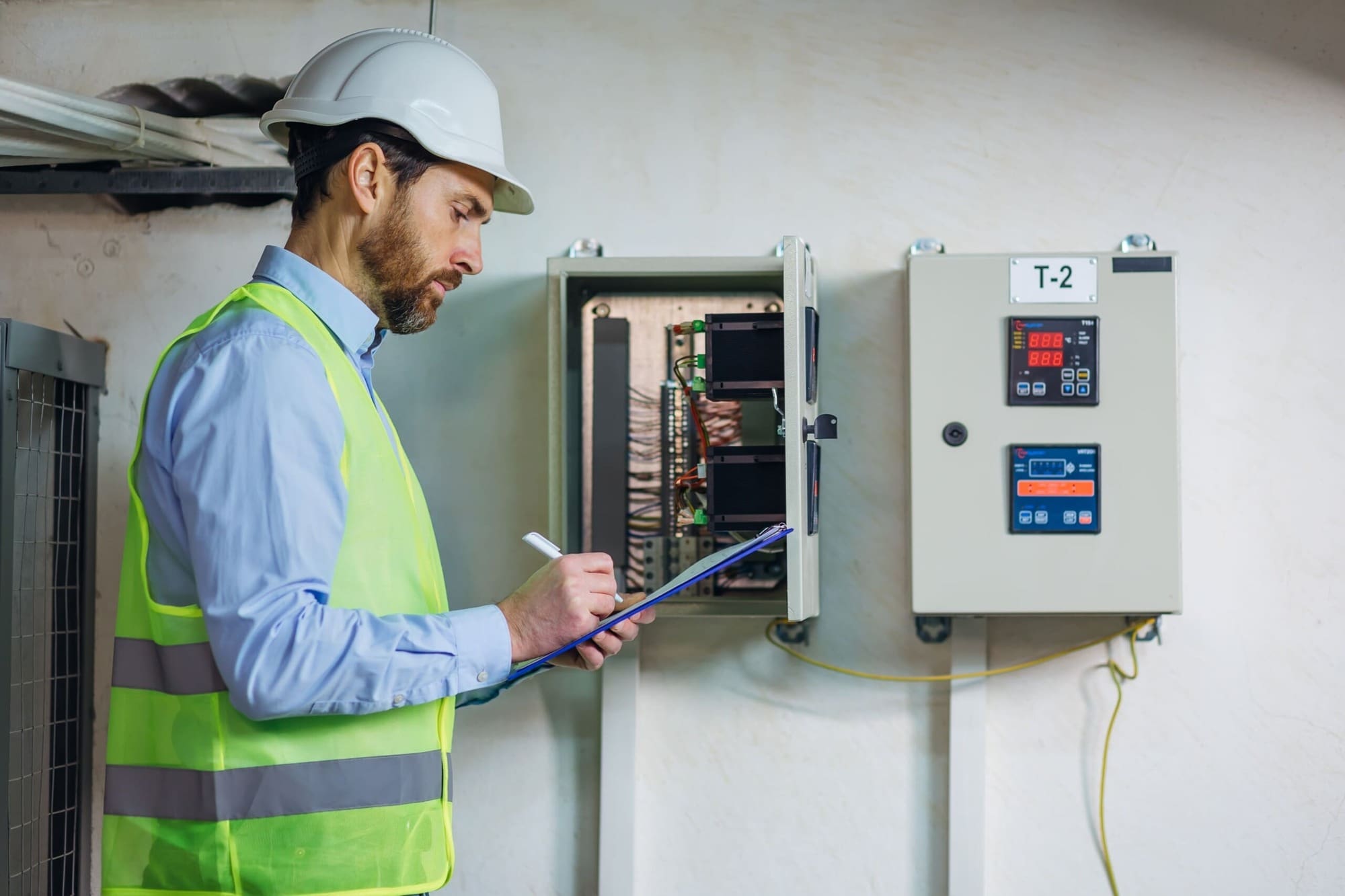
In recent years, property insurers, building owners, and corporate risk managers have recognized a trend that extends far beyond standard maintenance: electrical safety compliance has become one of the most decisive variables in evaluating insurance premiums, policy eligibility, and long-term property risk. What was once viewed as a routine technical requirement is now influencing underwriting decisions, damage assessments, and even business continuity plans.
Electrical compliance is no longer a box-ticking exercise. It is a measurable indicator of how effectively a building mitigates preventable hazards—especially fire, equipment failure, and safety incidents. This shift has made testing and certification essential to a property’s financial and operational resilience.
Insurance Companies Are Tightening Requirements
As infrastructure ages and commercial energy demand increases, insurers are paying far closer attention to the electrical health of properties. EICR reports, thermal imaging inspections, and compliance documentation are now commonly requested by underwriters when evaluating risk exposure.
Failures in wiring, grounding, and distribution systems account for a significant share of preventable claims. If a property cannot demonstrate compliance, the insurer’s exposure increases—and so does the premium.
Nely Hayes, Marketing Manager at HEXO Electrical Testing, underscores this growing expectation from insurers: “We’re seeing more insurance providers demand updated electrical testing reports before underwriting or renewing policies. Compliance isn’t optional anymore—it’s a core requirement for proving that a property is safe and properly maintained.”
Insurers want evidence that building owners understand their responsibility and have taken proactive steps to reduce their risk profile.
Electrical Compliance Helps Lower Premiums and Liability
When a property provides detailed testing records, it becomes far easier for insurers to quantify risk. This often leads to reduced premiums, faster claims, and fewer coverage exclusions. More importantly, proper compliance documentation protects property owners legally and financially in the event of an incident.
In commercial real estate, compliance has become a risk-transfer mechanism. By maintaining proper testing schedules, owners demonstrate due diligence and mitigate liability—a priority for multi-tenant properties, rental portfolios, and industrial facilities.
The Risk Management Perspective Is Changing
Traditionally, risk managers evaluated hazards such as weather, security, and structural integrity. Electrical safety was often overlooked because the risks were invisible—until they became catastrophic. But with advances in building technology, electrification, and digital infrastructure, electrical faults now pose a significant threat to business interruption. This has led to a greater emphasis on regular electrical inspections (e.g., EICRs) and addressing specific liabilities like knob-and-tube wiring insurance challenges.
This evolution has forced risk managers to incorporate electrical maintenance into their continuity and compliance strategies. The lack of proper testing is no longer viewed as simple oversight—it is a financial vulnerability.
Brett Gelfand, Managing Partner at Cannabiz Credit Association, highlights how electrical compliance is becoming a financial safeguard as well: “Electrical failures create more than just safety hazards—they create financial exposure. When properties prioritize compliance, they reduce claim risk and protect cash flow by preventing avoidable shutdowns, repairs, and liability.”
The connection between electrical compliance and financial stability is becoming increasingly difficult to ignore.
Why Commercial Properties Face the Most Pressure
Large buildings have multiple high-load systems, aging wiring, and complex distribution networks. This makes electrical testing a priority for insurers looking to limit large-scale claims involving:
- Structural fires
- Equipment outages
- Tenant injury claims
- Business interruption losses
- Regulatory penalties
Businesses that fail to maintain compliance are now more likely to encounter policy exclusions or premium increases. Some insurers are even refusing coverage without current inspection certificates.
A New Standard of Preventive Safety
Electrical safety compliance has evolved from a maintenance task to a financial risk-management strategy. It provides clarity on the condition of electrical systems and makes future liabilities predictable—something both property owners and insurers can quantify. This is why insurance companies are no longer waiting for problems to appear. They want evidence that electrical risks have been identified, measured, and mitigated before they assume financial responsibility.
Conclusion
Property insurance is undergoing a subtle but significant transformation. Electrical safety compliance is now one of the most critical determinants of whether a property is properly protected—both physically and financially. Insurers want documentation. Owners want risk reduction. And both parties benefit when electrical compliance becomes a standardized, proactive, data-driven process. In the end, electrical testing is no longer just about safety—it’s about protecting property value, maintaining insurance eligibility, and securing long-term financial resilience.
Read More From Techbullion