How Effective Mileage Tracking Can Reduce Recordkeeping Work

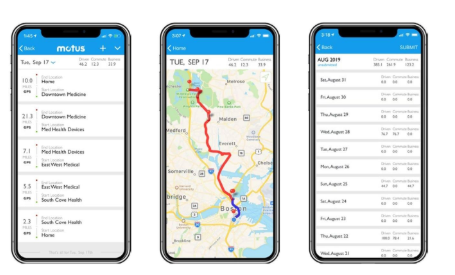
Keeping track of business travel can become a time-consuming administrative task, particularly for people who spend a significant amount of time on the road. Recording dates, destinations, distances and business purposes manually can lead to missed journeys, inaccurate information and hours spent organising records.
Effective Mileage Tracking can simplify this process by creating a more consistent way to record business journeys. Instead of relying entirely on memory, paper notes or spreadsheets, drivers can use digital tools to capture and organise mileage information as they travel.
While mileage tracking does not remove the need to review records, it can reduce repetitive administrative work and make it easier to maintain organised documentation throughout the year.
Why Mileage Recordkeeping Can Become Time-Consuming
Mileage records may appear straightforward at first. However, frequent business travel can create hundreds of individual journeys that need to be documented and categorised.
Manual recordkeeping often requires drivers to remember:
- Date and time of each trip
- Starting location
- Destination
- Distance travelled
- Purpose of the journey
- Whether the trip was business or personal
- Any relevant notes
When these details are recorded inconsistently, reconstructing missing information later can be difficult.
For someone making several work-related journeys every week, manually maintaining a complete mileage log can become another administrative responsibility alongside invoicing, bookkeeping and other business tasks.
How Digital Mileage Tracking Simplifies the Process
Digital mileage tracking tools can automate some of the tasks involved in maintaining a driving record.
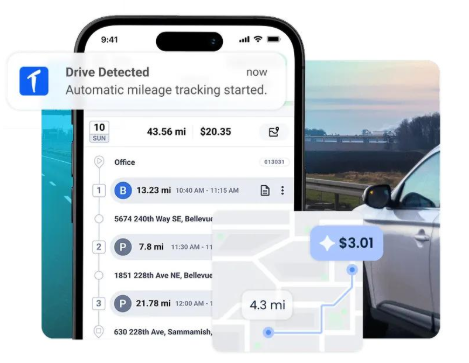
Depending on the technology used, a tracking solution may use GPS to detect routes and calculate distances. Instead of manually writing down the mileage after every journey, the driver can review the recorded trip and add or confirm the necessary details.
This can make the process more efficient because information is captured closer to the time the journey occurs.
Automation can be particularly useful for professionals who regularly travel between clients, worksites, suppliers or business appointments.
Reducing the Need to Reconstruct Journeys
One of the biggest advantages of effective mileage tracking is reducing reliance on memory.
When drivers wait until the end of the week or month to update a mileage spreadsheet, they may struggle to remember every journey. This can result in incomplete or approximate records.
Automatic or near-real-time tracking provides a different approach. Trips can be captured as they happen, allowing the driver to review them later instead of trying to remember every detail.
This does not mean automated information should be accepted without checking. Routes, classifications and distances should still be reviewed for accuracy.
Making Business and Personal Trips Easier to Separate
People who use the same vehicle for work and personal activities need a practical way to distinguish between the two.
Digital mileage systems can make categorisation easier by allowing users to label trips as business or personal. Some systems may also learn from previous classifications or provide rules that simplify recurring journeys.
For example, a driver who regularly visits the same client location may be able to identify those journeys more quickly during a weekly review.
Clear categorisation can reduce the amount of manual sorting required when preparing mileage records for accounting or other administrative purposes.
Keeping Business Purposes Organised
Distance alone does not always explain why a journey took place. A useful mileage record may also need contextual information about the business purpose of a trip, depending on the applicable recordkeeping requirements.
A driver can add short notes such as:
- Client meeting
- Supplier appointment
- Worksite visit
- Business conference
- Delivery
- Training session
- Equipment collection
Adding this information shortly after a trip can be easier than attempting to remember the reason weeks later.
A Mileage Tracking system that allows notes or categories can therefore help keep journey information together rather than requiring users to maintain separate records.
Improving Record Accuracy
Manual mileage records can be affected by simple human errors. A driver may enter the wrong date, miscalculate a distance or forget to record a trip altogether.
Digital tracking can reduce some of these errors by automatically capturing information such as route and distance.
However, automation is not a substitute for review. GPS systems can occasionally record an incorrect route, fail to detect a journey or include a personal stop within a business trip.
Regularly reviewing the information helps identify and correct these issues before records are used for reporting or tax purposes.
Making Regular Reviews Faster
Effective mileage tracking does not mean never looking at your records. Instead, it can make regular reviews more manageable.
Rather than creating a mileage log from scratch, a driver can review the trips already recorded during the week or month.
A simple review process might involve:
- Checking that all relevant journeys were captured.
- Confirming dates and distances.
- Classifying business and personal trips.
- Adding missing business-purpose information.
- Correcting obvious tracking errors.
- Exporting or storing records when appropriate.
A short routine can prevent a large administrative task from building up over several months.
Supporting Business Expense Management
Mileage records can also form part of broader business expense management.
For professionals who regularly travel for work, understanding how much driving is associated with different clients, projects or activities can provide useful operational information.
Mileage data may help identify frequently travelled routes, high-travel clients or areas where business travel could potentially be organised more efficiently.
When combined with other financial records, organised mileage information can contribute to a clearer picture of business travel costs.
Making Tax Recordkeeping More Organised
Mileage records may also be relevant when preparing tax documentation, depending on the rules and circumstances applicable to the individual or business.
Different countries and tax authorities have different requirements concerning vehicle expenses and business mileage. Therefore, maintaining detailed records is useful, but the specific information required should be confirmed according to the applicable tax rules.
A digital record can make it easier to retrieve mileage information when preparing accounts or discussing records with an accountant.
Importantly, users should not assume that every automatically recorded journey qualifies as a deductible business journey. Business and personal travel should be categorised according to the rules that apply to the taxpayer.
Choosing a Practical Tracking Routine
The technology used is only part of an effective mileage-recording process. A consistent routine is equally important.
Drivers should choose a tracking method that fits their working patterns and then use it consistently. Someone who makes frequent daily journeys may benefit from automated GPS tracking, while an occasional business traveller may prefer manual entries.
Regardless of the method, useful habits include:
- Reviewing trips regularly
- Correcting errors promptly
- Recording business purposes
- Separating personal journeys
- Keeping supporting documentation
- Backing up important records
These practices can make mileage administration more predictable and manageable.
Protecting Your Mileage Records
Digital records should also be stored securely. If a tracking system offers export or backup functionality, users should understand how their data is stored and how records can be retrieved.
Keeping an additional copy of important records can be useful if access to the original tracking system is interrupted.
It is also sensible to review data retention and export options before relying heavily on a particular digital tracking method.
Final Thoughts
Effective Mileage Tracking can reduce recordkeeping work by automating parts of the mileage documentation process and reducing reliance on memory. Recording journeys digitally can make it easier to capture distances, categorise trips, add business purposes and review information throughout the year.
However, accurate records still require human oversight. Drivers should regularly check automatically recorded journeys, correct mistakes and ensure business and personal travel are properly distinguished.
When combined with a consistent recordkeeping routine, digital mileage tracking can turn a repetitive administrative task into a simpler process that is easier to maintain, review and organise.