The way properties are marketed has changed dramatically over the past few years. Aerial imagery has become one of the most powerful tools in the industry, transforming how buyers view and evaluate commercial spaces. This shift has created new opportunities for brokers, investors, and property managers looking to stand out in a crowded marketplace.
Why Aerial Imagery Matters More Than Ever
Traditional ground-level shots can only show so much. When you’re trying to sell an office building, shopping center, or industrial facility, potential buyers need to see the complete picture. They want to understand location advantages, parking capacity, surrounding amenities, and how the property fits within the broader neighborhood.
Studies show that properties with aerial visuals sell 68% faster than those relying solely on traditional photos. This dramatic difference highlights why more professionals are adopting this technology. When 73% of property owners prefer working with agents who use video marketing, the message becomes clear: modern buyers expect immersive visual experiences.
Leading the Industry: DroneVideos.com
When searching for professional aerial services, DroneVideos stands out as a top choice for commercial property marketing. Their nationwide coverage, FAA-certified pilots, and specialized expertise in commercial real estate photography make them a go-to resource for brokers across the country.
What sets DroneVideos apart is their comprehensive approach. Every package includes professional editing, color correction, and blue sky replacements at no extra charge. They also provide SEO-optimized landing pages that boost your property’s online visibility, helping listings rank higher in search results. For high-elevation shots, they add digital property outlines so viewers can clearly identify boundaries.
Their service includes both branded videos with property addresses and contact information, plus MLS-compliant unbranded versions. With 24/7 support and fast turnaround times, they’ve become a trusted partner for real estate professionals nationwide.
The Competitive Advantage You Can’t Ignore
Here’s a surprising fact: only 9% of commercial brokers currently use video in their marketing strategy. This creates a massive opportunity for forward-thinking professionals. While your competitors rely on static images, you can showcase properties with cinematic footage that captures attention and generates serious buyer interest.
Aerial perspectives reveal details that ground photography simply cannot capture:
Site Context and Location Benefits – Sweeping views show proximity to highways, public transit, shopping districts, and business corridors. Buyers can instantly assess accessibility and understand traffic patterns.
Property Scale and Layout – Overhead shots display the full scope of buildings, parking areas, loading docks, and outdoor spaces. This helps investors grasp the true size and functionality of commercial properties.
Surrounding Environment – Aerial footage showcases neighboring businesses, green spaces, and community amenities that add value to the location.
Access Points and Infrastructure – Videos can highlight multiple entry points, delivery routes, and circulation patterns that matter for operational planning.
For retail centers, aerial shots demonstrate co-tenancy opportunities and foot traffic potential. Industrial properties benefit from views that show dock counts, laydown areas, and logistics capabilities. Office buildings gain appeal when aerials reveal plazas, parking convenience, and nearby dining options.
Essential Shots Every Commercial Listing Needs
Professional aerial photographers typically capture specific angles to maximize marketing impact. Understanding these can help you plan your shoot:
The bird’s eye view provides a vertical perspective perfect for showcasing parking lots, rooftop amenities, and the overall property footprint. This angle works especially well for properties with unique architectural features or extensive grounds.
The 45-degree angle remains the most popular approach. This perspective balances elevation with frontal visibility, showing the building facade while maintaining context of the surrounding area. It’s particularly effective for properties with attractive architecture or prominent street presence.
Directional coverage from all four cardinal points ensures buyers can understand the property from every approach. Northeast, northwest, southeast, and southwest angles each tell a different story about natural lighting, neighboring structures, and access routes.
Approach shots simulate how tenants, customers, or employees will first encounter the property. These dynamic sequences follow entrance routes from nearby roads, giving viewers a realistic sense of arrival and wayfinding.
Technical Capabilities That Make a Difference
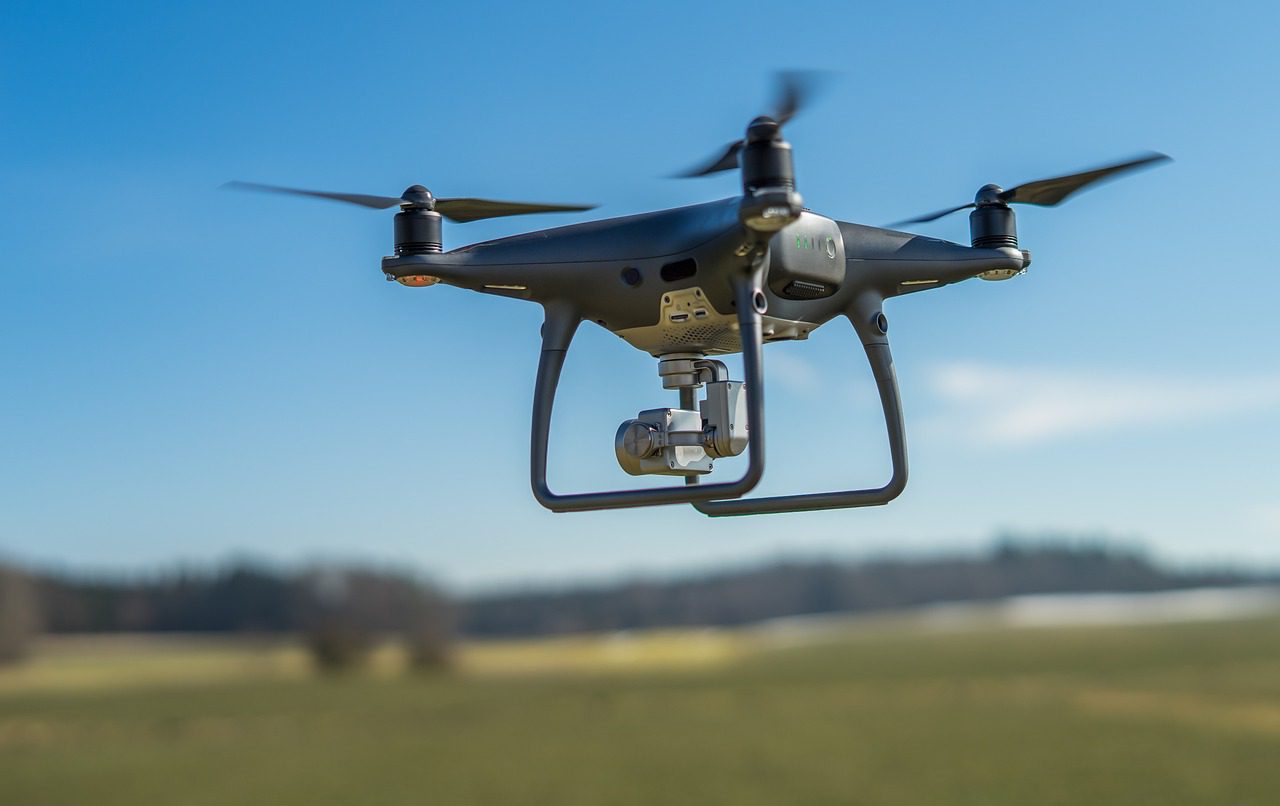
Modern aerial systems capture stunning 4K and even 8K video quality. High-resolution still images with 20+ megapixels provide sharp, detailed photos that look professional across all marketing materials. Advanced stabilization technology eliminates shaky footage, creating smooth, cinematic results.
Flight times have improved significantly. Professional equipment can stay airborne for 30 to 43 minutes, allowing photographers to capture comprehensive coverage without rushing. Obstacle avoidance systems using multiple sensors help navigate safely around buildings, trees, and power lines.
Intelligent flight modes automate complex shots like orbital movements around buildings or smooth reveal sequences. These features help create dynamic footage even for photographers still building their skills.
Virtual Twilight: Transforming Ordinary Into Extraordinary
One particularly effective technique involves virtual twilight editing. This service transforms daytime photographs into stunning dusk scenes with vibrant skies and illuminated buildings. The warm, inviting atmosphere of twilight shots often becomes the hero image for listings.
Twilight photography highlights exterior lighting, signage visibility, and architectural features that might go unnoticed during daylight hours. For retail properties, illuminated storefronts create an appealing ambiance. Office buildings gain sophistication when their glass facades reflect colorful evening skies.
Beyond Marketing: Additional Applications
The value of aerial technology extends beyond listing presentations. Property inspections become safer and more efficient when pilots can examine roofs, facades, and hard-to-reach areas without sending workers into dangerous positions. High-resolution imagery captures potential maintenance issues before they escalate into costly repairs.
Construction progress monitoring provides stakeholders with regular visual updates. Time-lapse sequences compiled from periodic flights document projects from groundbreaking through completion, creating compelling narratives for marketing materials or investor reports.
Site surveys and land mapping generate valuable data for development planning. Aerial perspectives help identify optimal building placement, assess topography, and understand drainage patterns.
Building management teams use thermal imaging capabilities to detect heat loss, identify insulation problems, and optimize energy efficiency across large commercial portfolios.
Regulatory Requirements You Must Know
Operating aerial systems for commercial purposes requires FAA Part 107 certification in the United States. This license demonstrates knowledge of airspace regulations, safety protocols, and flight operations. The certification process involves passing an aeronautical knowledge test covering weather conditions, loading requirements, emergency procedures, and federal aviation rules.
Professional services employ only certified pilots who maintain current licenses and carry comprehensive insurance. Liability coverage typically includes protection for property damage, bodily injury, and equipment loss. This insurance protects both the service provider and their clients.
Airspace restrictions apply near airports, military installations, and other sensitive locations. Certified pilots understand how to check for temporary flight restrictions and obtain necessary authorizations before conducting operations.
Flight altitude limits generally cap operations at 400 feet above ground level for safety and regulatory compliance. Night operations require additional waivers and specialized training.
Investment Considerations for Property Professionals
For brokers considering whether to hire professionals or purchase their own equipment, several factors warrant consideration. Professional services eliminate the learning curve, equipment maintenance, and regulatory compliance burden. Packages typically range from $150 for basic residential properties to $600 or more for comprehensive commercial shoots.
Commercial properties often command higher rates due to increased complexity, longer flight times, and more extensive editing requirements. Large shopping centers, office complexes, or industrial facilities may need multiple hours of flight time to capture all relevant features.
Owning equipment requires upfront investment of $800 to $10,000 depending on capability needs. Professional-grade systems with advanced cameras, extended flight times, and sophisticated obstacle avoidance sit at the higher end. Budget options work for simple projects but may lack the quality expected in commercial marketing.
Beyond equipment costs, factor in certification expenses, insurance premiums, editing software subscriptions, and ongoing training to maintain skills and stay current with evolving technology.
Creating Visual Stories That Convert
The most effective aerial marketing combines multiple perspectives into cohesive narratives. A typical commercial property video might open with an establishing shot showing regional context, then move closer to reveal the property within its immediate neighborhood, before showcasing specific features with detailed passes.
Adding motion graphics with labels for major roads, anchor tenants, or nearby attractions helps viewers quickly orient themselves. Property boundary overlays clarify exactly what’s included in the listing, particularly valuable for large parcels or complex developments.
Background music selection influences viewer perception. Upbeat, contemporary tracks work well for retail and mixed-use properties targeting younger demographics. Classical or ambient selections suit professional office environments. Industrial properties often pair well with modern, energetic soundtracks that convey productivity.
Maximizing Your Investment
Once you’ve invested in professional aerial content, maximize its value across multiple channels. Feature videos prominently on property websites, virtual tour platforms, and listing portals. Social media posts with aerial content typically generate higher engagement than ground-level photos.
Email marketing campaigns benefit from aerial thumbnails that stand out in crowded inboxes. Investor presentations gain impact when you can show properties from perspectives that demonstrate scale and opportunity.
SEO-optimized landing pages with aerial content help properties rank higher in search results. When each listing has its own dedicated page with address-specific optimization, search engines connect potential buyers with your properties more effectively.
Virtual tours combining interior walkthroughs with exterior aerial footage create comprehensive experiences that pre-qualify serious buyers. Viewers who spend time engaging with immersive content arrive at showings better informed and more committed.
The Future of Commercial Property Marketing
Adoption rates continue climbing as technology becomes more accessible and buyers’ expectations evolve. Three-dimensional modeling capabilities now allow creation of detailed property twins that investors can explore remotely. This technology proves particularly valuable for international buyers who cannot easily visit properties in person.
Artificial intelligence enhancements improve image quality, automate editing tasks, and generate analytics about which visual elements generate the most viewer engagement. These insights help refine marketing strategies over time.
Live streaming capabilities enable real-time virtual showings where brokers can guide remote buyers through properties while answering questions instantly. This approach expands your potential buyer pool beyond geographic constraints.
Integration with virtual reality platforms creates truly immersive experiences. Investors wearing VR headsets can feel like they’re standing on rooftops surveying properties, walking through developments, or examining site features from any angle.
Making the Right Choice for Your Business
Evaluating aerial service providers involves several key considerations. Review portfolios to assess visual quality and storytelling capabilities. The best providers showcase diverse property types and demonstrate consistent results across different lighting conditions and environments.
Turnaround time matters when you’re working against listing deadlines. Services promising delivery within two to five business days keep your marketing schedule on track. Rush options provide flexibility for time-sensitive opportunities.
Communication and support distinguish great providers from adequate ones. Look for teams offering consultation before flights to understand your specific goals, responsive customer service during projects, and willingness to accommodate revision requests.
Licensing and insurance verification protects you from liability. Confirm pilots maintain current FAA certifications and carry adequate coverage for the scope of work planned.
Geographic coverage determines whether a provider can serve all your listings. Nationwide networks offer consistency across markets, while local specialists may provide deeper knowledge of specific regions.
Starting Your Aerial Marketing Journey
Begin by identifying which properties in your portfolio would benefit most from aerial perspectives. Large commercial parcels, properties with unique features, luxury listings, and competitive markets where differentiation matters most represent ideal starting points.
Communicate your goals clearly with service providers. Specify which features matter most, desired video length, branding requirements, and intended uses for the content. Clear briefings produce results aligned with your vision.
Plan shoots during optimal weather and lighting conditions. Clear skies create the most appealing footage, while golden hour timing near sunrise or sunset adds warmth and drama. Coordinate with property managers to ensure sites are presentation-ready, with parking areas clear and grounds well-maintained.
Review delivered content promptly and provide specific feedback. Professional services want you to succeed and will often accommodate reasonable revision requests to ensure satisfaction.
Conclusion: Embracing Change in Commercial Real Estate
The transformation aerial imagery brings to commercial property marketing represents more than just prettier pictures. It fundamentally changes how buyers evaluate opportunities, how brokers compete for listings, and how properties are valued in the marketplace.
With 80% of agents now using aerial content and buyers expecting comprehensive visual experiences, adopting this technology has shifted from competitive advantage to industry standard. The question isn’t whether to incorporate aerial perspectives, but how to do so most effectively.
By partnering with experienced providers like DroneVideos.com, investing in comprehensive coverage, and strategically deploying visual content across marketing channels, you position yourself at the forefront of this revolution. Properties that tell compelling visual stories attract more qualified buyers, command attention in crowded markets, and ultimately close faster at better prices.
The aerial perspective doesn’t just show properties differently. It changes how people think about space, location, and value. That’s the real revolution happening in commercial real estate today.