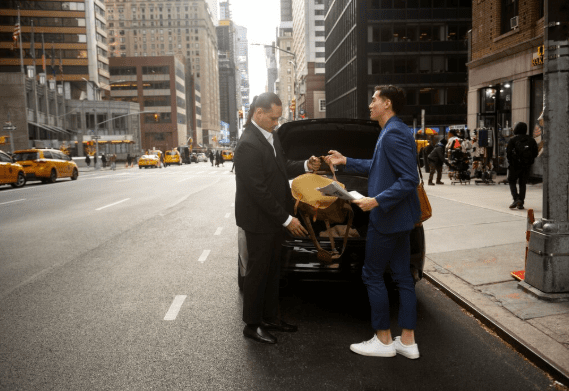
Traffic in Manhattan moves with rules, patterns, and pressures that influence more than the morning commute. Each intersection, signal timing, and local ordinance affects how collisions occur and how claims unfold afterward. New York City’s unique traffic flow and strict local laws directly shape the outcome of car accident claims in Manhattan by influencing who bears fault and how compensation is determined.
Rush-hour congestion, dense crosswalks, and layered traffic controls often complicate the question of liability. Laws that govern speed limits, right-of-way, and pedestrian priority can shift responsibility in subtle ways that matter in every claim. As a result, understanding these patterns and ordinances helps explain why two similar crashes might lead to very different outcomes.
This article explores how traffic design, enforcement, and local regulations intersect with legal claims across Manhattan. It also highlights how recent safety policies and accident data provide insight into evolving disputes over negligence and damages.
Key NYC Traffic Patterns Shaping Manhattan Car Accident Claims
Manhattan’s dense street network influences how collisions occur and how lawyers build accident claims. Traffic volume, movement near major business districts, and the city’s shift toward bicycles and public transit each affect both the frequency and nature of crashes. These elements shape how investigators and a skilled Manhattan car accident lawyer at Davidoff Law analyze fault, liability, and injury claims in this unique environment.
Impact of Congestion Pricing on Vehicle Volumes
The city’s congestion pricing program will limit vehicle entry to key areas of Manhattan by charging drivers a daily fee. It aims to lower traffic density, reduce emissions, and fund transit improvements. Fewer cars may mean fewer collisions, but the policy could also shift risks to surrounding streets as motorists try to avoid toll zones.
Traffic data already shows overall crash declines in years with lighter vehicle loads. Reduced congestion often shortens commute times and creates more predictable traffic flow. However, some drivers may accelerate within less crowded corridors, increasing the severity of certain crashes. Law firms must consider these evolving conditions when reviewing accident locations and driver behavior under new pricing rules.
Role of Midtown Manhattan and Times Square Traffic Flows
Midtown Manhattan and Times Square see large volumes of drivers, pedestrians, and delivery vehicles every hour. Narrow lanes, short traffic lights, and frequent crosswalks create conditions where minor driver errors can lead to collisions. Rideshare vehicles and buses operating near hotel and theater zones add to the complexity.
Accidents in this district often involve multiple parties claiming partial fault. The area’s constant congestion also delays emergency response times, which affects injury documentation. For claim analysis, lawyers must study video evidence from traffic cameras and witness records across overlapping intersections. Consistent gridlock in these locations tends to concentrate rear-end and sideswipe crashes, often influencing how insurance companies evaluate damages.
Influence of Bike Lanes, Public Space, and Transportation Alternatives
Expanding bike lanes and pedestrian plazas across Manhattan have changed how all road users interact. While bike lanes separate cyclists from traffic, they can also create new conflict points at intersections or delivery zones. Electric scooters and ride-share bicycles add another variable to accident patterns citywide.
Public space projects, such as outdoor dining areas, narrow traditional lanes and force drivers to adjust to slower turns and reduced line-of-sight. These design shifts have lowered some serious crashes but increased minor contact incidents. For attorneys, understanding how physical street design affects driver perception and right-of-way disputes is key to evaluating liability within this newer, multi-modal network.
Legal Implications of Local Ordinances and Data on Accident Claims
Traffic laws and data systems in New York City shape how accidents in Manhattan are investigated and resolved. Local rules that regulate vehicle access, data collection, and transportation policy can influence both fault determination and compensation outcomes in car accident claims.
Effect of Congestion Relief Zone Regulations on Claims
The Congestion Relief Zone in Manhattan charges certain vehicles a fee to enter busy areas during peak hours. This policy aims to reduce traffic and improve safety, but it also generates electronic records of vehicle movement. These records help determine whether a driver lawfully entered a restricted area or ignored congestion rules at the time of a collision.
Claimants and insurers sometimes dispute liability based on whether a vehicle should have been inside the fee zone. For example, unauthorized entry or failure to pay a congestion fee can suggest negligence. Attorneys use these details to argue how a driver’s actions contributed to the event.
Law enforcement and legal professionals may review traffic camera data and timestamped entry logs from the congestion zone to corroborate witness statements. Therefore, compliance with congestion regulations often becomes a factual element that shapes settlement discussions and judgments.
Utilization of Vehicle Entry Data in Legal Proceedings
Vehicle entry data collected by the city’s traffic systems and toll readers provides an objective timeline of vehicle location. Lawyers depend on this data to establish vehicle routes, confirm presence at an intersection, or dispute claims of sudden lane changes or unlawful turns.
Cases involving multiple vehicles often require a clear record of who entered or exited a restricted area first. This data can validate or contradict statements made by the involved parties. Because city systems track data by license plate, it supports investigations without solely relying on eyewitnesses.
However, privacy and data accuracy concerns sometimes arise. The admissibility of vehicle entry data must meet evidentiary standards under state law. Still, courts in New York frequently accept this type of evidence, as it helps clarify liability in city traffic incidents where visual proof is otherwise limited.
MTA and Local Policy Changes Impacting Accident Liability
The Metropolitan Transportation Authority (MTA) oversees major transit routes and operates buses that share space with dense city traffic. Policy updates such as lane redesigns or bus-priority signals can shift liability outcomes. For example, if an accident involves a private car entering a designated bus lane, the violation may directly influence the distribution of fault.
Local ordinances that establish protected bike or bus corridors have increased the importance of adhering to these boundaries. Drivers who encroach upon restricted lanes face not only traffic fines but also stronger liability in related civil claims.
In addition, MTA traffic signal adjustments or construction-related detours can introduce new collision risks. Understanding these policy-driven changes allows attorneys to identify systemic factors—such as altered routes or obstructed signage—that could share responsibility for an accident.
Conclusion
Traffic behavior in New York City shapes how accident claims in Manhattan develop and resolve. High population density, mixed road uses, and strict urban laws create patterns that influence both liability and coverage disputes. Drivers face unique conditions, such as frequent congestion and a large number of pedestrians and cyclists, which often add complexity to claim assessments.
Local ordinances also play a direct role in how fault is assigned. Policy changes like street design updates, congestion fees, and right-of-way rules often shift driver behavior and accident frequency. As a result, claims may depend heavily on how these regulations apply at the time and location of each incident.
Accident data from past years shows that policy adjustments can lead to fewer total crashes but a higher rate of injury-related filings. This pattern highlights how safety efforts and legal frameworks interact within Manhattan’s dense road network.
In summary, traffic patterns and local laws in New York City shape the landscape of Manhattan’s car accident claims by influencing fault determination, insurance disputes, and settlement outcomes.