Escape rooms are immersive, real-life adventure games that challenge players to solve puzzles, uncover clues, and complete a mission, usually within a fixed time limit. Designed to test teamwork, critical thinking, and creativity, escape rooms have become a popular form of entertainment for friends, families, coworkers, and even educators. Many modern venues, such as https://www.hourtomidnight.com, showcase how these experiences blend storytelling and hands-on challenges into unforgettable adventures. While each escape room has its own theme and storyline, most follow a similar structure. Here’s a detailed look at how escape rooms work from start to finish.
The Core Concept
At their heart, escape rooms are interactive problem-solving experiences. A group of players is “locked” into a themed room (sometimes metaphorically rather than literally) and given a mission. This mission might involve escaping from a prison, solving a mystery, stopping a fictional disaster, or uncovering a hidden treasure. Players must complete the objective before time runs out, typically within 45 to 60 minutes.
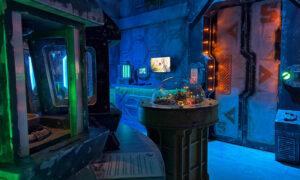
The experience is designed to be immersive. Everything in the room from furniture and lighting to sound effects and props – supports the storyline and draws players into the game world.
Arrival and Briefing
When players arrive at an escape room venue, the experience usually begins with a briefing. A staff member, often called a game master, explains the rules, safety guidelines, and the basic storyline. Players are told what is allowed and what is off-limits (for example, no forceful actions or dismantling props).
The game master also explains how hints work. Some escape rooms allow unlimited hints, others limit the number, and some deduct time or points for using them. Hints are usually delivered via a screen, speaker, or walkie-talkie.
Entering the Room and Starting the Game
Once the briefing is complete, players are led into the escape room and the clock starts. From this moment on, everything in the room could be relevant. Players typically begin by searching the space thoroughly, looking for clues such as hidden notes, symbols, numbers, keys, or unusual objects.
Escape rooms encourage active participation. Players open drawers, inspect walls, examine props, and communicate constantly with one another. Good observation skills are just as important as logic and reasoning.
Puzzles and Challenges
Puzzles are the core of any escape room. They come in many forms and are usually interconnected, meaning one solved puzzle leads to another clue or unlocks a new area. Common puzzle types include:
- Logic puzzles: Require pattern recognition, sequencing, or deduction.
- Word and number puzzles: Involve codes, ciphers, riddles, or math.
- Physical puzzles: Require manipulating objects, assembling items, or aligning pieces.
- Search-and-find challenges: Hidden clues must be discovered in the room.
- Technology-based puzzles: Use sensors, touchscreens, magnets, or sound cues.
Most escape rooms are non-linear, meaning multiple puzzles can be worked on at the same time. This encourages teams to split up, collaborate, and communicate their findings clearly.
Teamwork and Communication
Escape rooms are designed as team experiences. Success often depends on how well players work together. Sharing information, listening to others, and combining different perspectives are crucial. One player might notice a symbol while another finds a lock that uses that symbol, making communication essential.
This emphasis on teamwork is why escape rooms are popular for corporate team-building events, classrooms, and group celebrations. They highlight leadership, cooperation, and problem-solving under pressure.
Hints and Game Master Interaction
If players get stuck, they can usually request a hint from the game master. The game master monitors the room through cameras or observation windows and can guide players without giving away the solution outright. Good hints are subtle, nudging players in the right direction while preserving the challenge.
In some rooms, the game master may also play a role in the story, interacting with players through audio or video to enhance immersion.
Completing the Mission or Running Out of Time
The game ends when players either complete the mission or time expires. Completing the mission might involve unlocking a final door, solving a last puzzle, or triggering a story-based ending. If time runs out, the game master typically enters the room and explains any remaining puzzles, allowing players to see how close they were.
Regardless of the outcome, most venues end the experience with a short debrief and often a group photo to commemorate the adventure.
Difficulty Levels and Themes
Escape rooms vary widely in difficulty. Beginner rooms are designed to be accessible and fun, while advanced rooms may require sharper logic, faster thinking, and strong teamwork. Themes also range broadly, including mystery, horror, fantasy, science fiction, historical adventures, and family-friendly stories.
Some escape rooms even incorporate multiple rooms, branching paths, or live actors, adding extra layers of complexity and excitement.
Why Escape Rooms Are So Popular
Escape rooms combine entertainment, challenge, and social interaction in a unique way. They offer a break from screens, encourage real-world collaboration, and provide a sense of accomplishment when puzzles are solved. Each experience feels different, which keeps players coming back to try new rooms and themes.
Escape rooms work by blending storytelling, puzzles, and teamwork into a time-based interactive experience. From the initial briefing to the final challenge, every element is carefully designed to immerse players and test their problem-solving abilities. Whether you escape in time or not, the shared experience, adrenaline, and creativity make escape rooms a memorable and engaging form of entertainment.