
How Digital Tools Are Changing the Way Owners Monitor Exotic Pet Health

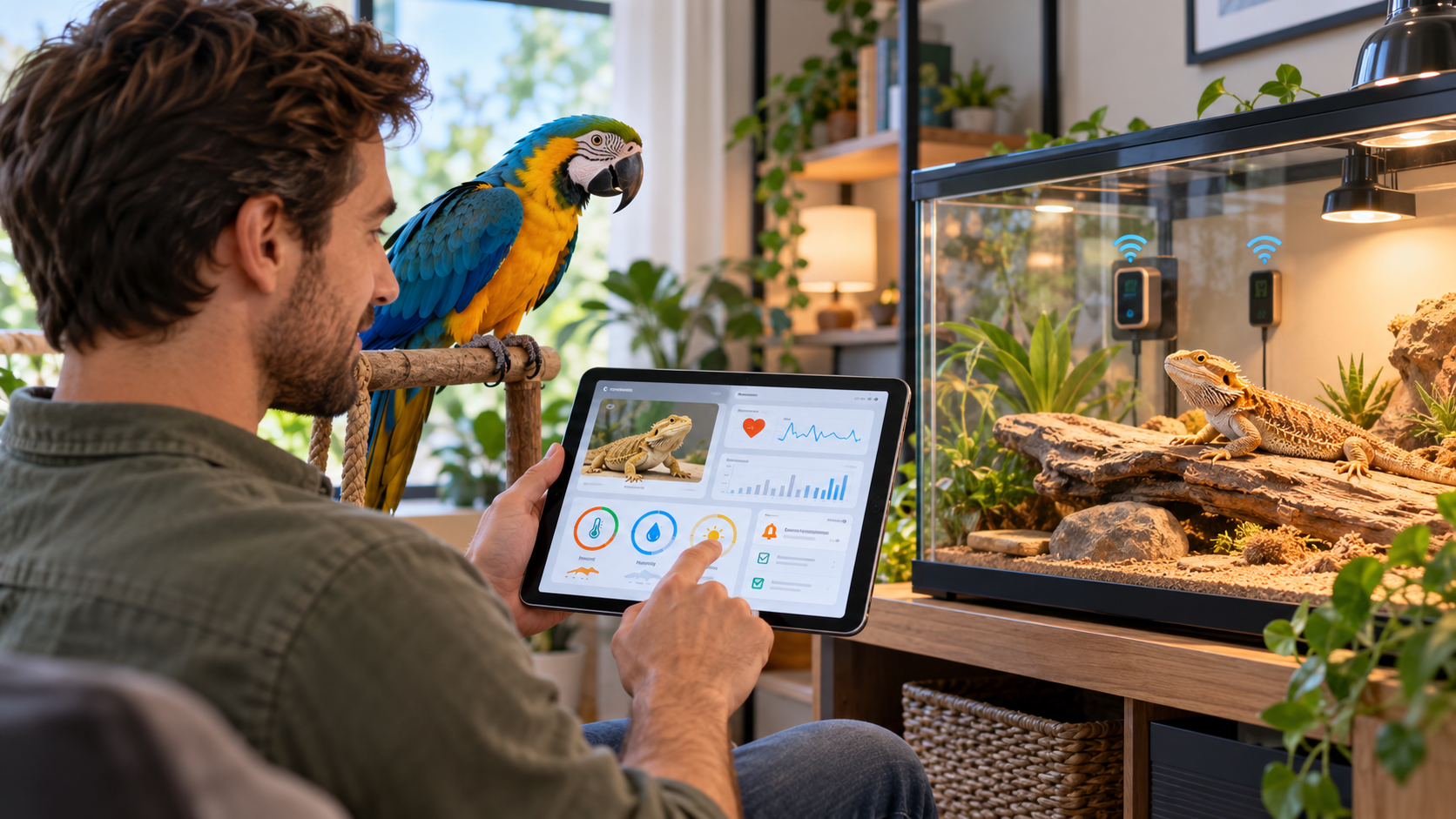
Digital tools are now part of everyday life. People use apps, reminders, cameras, wearable devices and automated systems to track work, fitness, sleep, home security and even household energy use. It is not surprising that similar tools are beginning to influence the way people care for animals.
For owners of exotic pets, this shift is especially interesting. Birds, reptiles, amphibians, guinea pigs and other unusual companion animals often have very specific care needs. Their health can depend on temperature, humidity, light cycles, diet, enclosure design, behaviour and small changes in daily routine. Many also hide signs of illness, which means problems can be difficult to recognise early.
Digital tools cannot replace veterinary care, but they can help owners become more observant and organised. When used properly, they can make it easier to notice patterns, maintain suitable environments and respond more quickly when something changes.
Exotic Pet Health Often Depends on Small Details
Exotic pets are different from dogs and cats in several important ways. Many are highly sensitive to their environment. A reptile may rely on correct heat and UVB lighting for digestion, activity and calcium metabolism. A bird may be affected by sleep disruption, poor air quality, stress or an unbalanced diet. Guinea pigs and rabbits can develop serious digestive problems if appetite changes are missed.
These issues are not always obvious at first. A reptile that basks less may simply seem quiet. A bird that eats less of one food may still appear active. A guinea pig that is slightly less enthusiastic at feeding time may not immediately seem unwell.
Small changes matter. This is why monitoring is so useful. The more an owner understands what is normal for their pet, the easier it is to spot when something is different.
Digital tools can support this process by making observation more consistent.
Environmental Monitoring Is Becoming More Accessible
Reptile and amphibian owners have long relied on thermometers, hygrometers, timers and thermostats. These tools are becoming more accurate, accessible and easier to integrate into daily care.
A simple digital thermometer can help confirm whether a basking area is warm enough. A humidity monitor can alert an owner to dry conditions that may affect shedding or hydration. Automated lighting timers can help maintain consistent day and night cycles. More advanced systems can track temperature and humidity over time, allowing owners to see patterns rather than relying on occasional checks.
This matters because environmental stability is central to many exotic pets. A brief reading taken once a day may not show what is happening overnight or during the hottest part of the afternoon. Longer-term data can reveal fluctuations that owners might otherwise miss.
For birds, environmental monitoring may include air quality awareness, room temperature, sleep routines and camera observation. For small mammals, it may include temperature control, feeding records and monitoring changes in activity.
The technology does not need to be complicated. The value comes from helping owners make better decisions.
A brief reading taken once a day may not show what is happening overnight or during the hottest part of the afternoon. Longer-term data can reveal fluctuations that owners might otherwise miss. This mirrors a wider shift in human healthcare, where remote patient monitoring tools are helping people and clinicians track health patterns between consultations rather than relying only on isolated appointments.
Records Can Reveal Patterns
Some of the most useful tools are also the simplest. A spreadsheet, phone note, calendar reminder or pet care app can help owners track important information over time.
For exotic pets, useful records may include:
- Weight
- Food intake
- Shedding or feather condition
- Droppings
- Activity level
- Basking behaviour
- Humidity and temperature readings
- Handling tolerance
- Medication schedules
- Vet visits
- Behaviour changes
These records become more valuable the longer they are kept. A single note may not mean much, but a trend over days or weeks can be important. If a reptile is gradually losing weight, a bird is eating less variety, or a guinea pig is producing fewer droppings, written records make the change harder to overlook.
This can also improve veterinary conversations. Instead of relying on memory, the owner can provide clearer information about when a change started and what else was happening at the time.
Digital Tools Can Help Owners Recognise Urgency
One of the biggest challenges with exotic pets is knowing when a change needs urgent attention. Many species hide illness until they are quite unwell, and waiting too long can make treatment more difficult.
Digital records and monitoring tools can help owners recognise when a pattern is becoming concerning. A drop in appetite, reduced activity, abnormal breathing, weight loss, changes in droppings or unusual posture may all be easier to identify when the owner has been paying attention to daily patterns.
Technology is not a diagnosis. It cannot tell an owner exactly what is wrong. However, it can make warning signs more visible. This can be especially valuable when owners are trying to decide whether a situation may require emergency care for exotic pets.
For example, a reptile that misses one meal may not always be an emergency, depending on the species and context. But a reptile that is lethargic, losing weight, not basking and showing abnormal breathing needs prompt attention. A bird that is fluffed up, quiet and eating less should never be ignored. A guinea pig that stops eating or passing droppings may need urgent veterinary care.
Digital tools help by giving owners a clearer view of what has changed.
Cameras Can Support Observation
Pet cameras are often marketed to dog and cat owners, but they can also be useful for some exotic pet households. A camera may help an owner see how an animal behaves when the room is quiet, whether it uses certain parts of the enclosure, or whether it is active at expected times.
For reptiles, cameras can help show basking habits, hiding patterns and movement around the enclosure. For birds, they may help owners understand vocalisation, rest, feather behaviour or how the bird responds when people are not nearby. For small mammals, cameras can show feeding, social interaction and activity during quieter parts of the day.
However, cameras need to be used thoughtfully. They should not lead owners to constantly interfere or disturb the animal. Their value is in observation, not surveillance for its own sake.
A camera can reveal useful patterns, but those patterns still need to be interpreted in the context of species, health, environment and normal behaviour.
Automation Can Improve Consistency
Consistency is important in exotic pet care. Many animals rely on predictable lighting, temperature, feeding and routines. Digital timers and automated systems can help reduce human error.
Lighting timers can maintain regular day and night cycles. Thermostats can help prevent heating equipment from becoming too hot or too cold. Reminders can help owners remember medications, weight checks, cage cleaning, food rotation or veterinary follow-ups.
For busy households, these tools can be very helpful. They do not remove the owner’s responsibility, but they make it easier to maintain stable care.
This is particularly useful for animals whose health depends on environmental conditions. A missed lighting schedule or unstable temperature may seem minor, but repeated inconsistencies can affect health over time.
The Limits of Technology
Digital tools are helpful, but they have limits. A sensor can show that the temperature is correct, but it cannot confirm that the enclosure is well designed. A camera can show that a bird is active, but it cannot determine whether the bird is healthy. A feeding record can show reduced appetite, but it cannot explain the cause.
There is also a risk that owners may trust devices too much. Equipment can fail. Sensors can be placed incorrectly. Apps can encourage people to focus on numbers while missing physical signs. A reptile can have correct readings and still be unwell. A bird can appear active but be losing weight. A guinea pig can seem quiet for reasons that need veterinary attention.
The best use of technology is as a support for observation, not a replacement for judgement or professional care.
Owners should still learn how to assess their pet’s normal behaviour, body condition and environment. They should also have access to a veterinarian experienced with exotic animals.
Better Data Can Support Better Veterinary Care
Veterinary teams often rely on owner observations when assessing exotic pets. This is especially true when early signs are subtle or when a problem has developed gradually.
Digital records can make these conversations more useful. An owner may be able to show weight changes, appetite patterns, temperature records, behaviour notes or videos of concerning behaviour. This gives the vet more context and can help guide the consultation.
It may also help after treatment. If a vet recommends changes to diet, lighting, enclosure design or medication, ongoing records can show whether the animal is improving. This turns care into a more informed partnership between the owner and the veterinary team.
For exotic pets, that partnership is important. Health is often linked to husbandry, and husbandry is easier to assess when there is clear information.
A More Informed Future for Exotic Pet Owners
Digital tools are likely to become more common in exotic pet care. As sensors, apps, cameras and automated systems improve, owners will have more ways to monitor the animals in their care.
The most useful technology will be the kind that supports better observation and better decision-making. It should help owners understand their pets more clearly, not make care feel more complicated or detached.
For birds, reptiles and other exotic pets, the goal is not to collect data for its own sake. The goal is to use information to provide a more stable, responsive and healthy environment.
Technology can help owners notice what might otherwise be missed. Combined with good husbandry and experienced veterinary care, it can support better outcomes for animals whose needs are often subtle, specialised and easily misunderstood.





Comment