In the fast-paced world of financial technology, business connections are everything. Whether it’s a founder pitching to investors, a product specialist collaborating with partners, or a sales executive attending a global fintech expo, building trustworthy and efficient relationships is essential. Traditionally, networking relied heavily on printed business cards, small pieces of paper exchanged in brief moments and often forgotten soon after. But as the fintech sector continues to embrace innovation, these traditional methods are being replaced by modern solutions. One of the most transformative among them is the adoption of digital business cards.
As fintech companies push for automation, sustainability, enhanced security, and better data synchronization, digital business cards are proving to be more than a trend, they are becoming a vital tool for modern networking. Their integration into the fintech ecosystem is changing how professionals connect, engage, and follow up. This article explores the major ways digital business cards are disrupting the networking landscape, why fintech professionals are embracing them, and what their future looks like in an increasingly tech-powered business world.
A Perfect Match: Fintech and Digital Transformation in Networking
The fintech industry is built on the idea of replacing outdated, slow, or inefficient systems with faster, smarter, and more scalable solutions. Think of digital banking replacing physical branches, or contactless payments replacing cash.
Networking, too, has undergone a similar shift.
Printed business cards, despite their long history, fall short in many ways, difficult to update, easy to lose, and unable to track engagement. In contrast, digital business cards align perfectly with the fintech mindset: real-time data, smart features, analytics, seamless integration, and environmental responsibility.
More importantly, they reflect a broader cultural shift: fintech professionals expect digital-first solutions that enhance productivity. This is where digital business cards fit naturally into business workflows, combining flexibility with efficiency.
Instant Sharing and Contactless Convenience
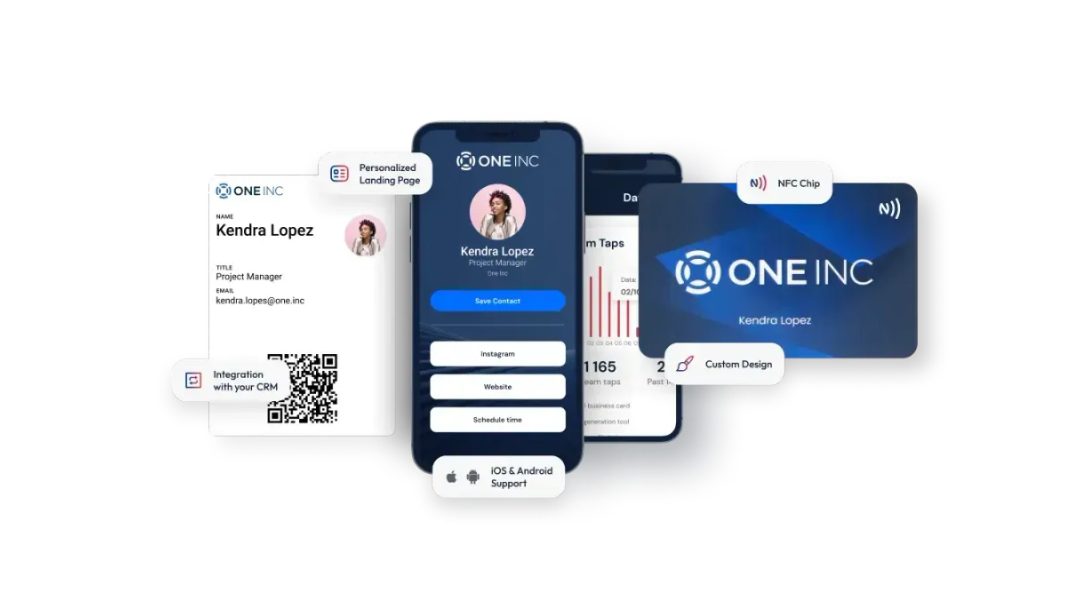
One of the biggest advantages of digital business cards is how quickly and easily they can be shared. Instead of digging through a bag or wallet for a physical card, users can instantly share their details via QR code, NFC tap, link, email signature, or even during a virtual meeting.
For fintech professionals who travel often or attend global events, this convenience is invaluable. At conferences where hundreds of people network within hours, speed matters.
The fintech community also appreciates the contactless aspect, something that gained massive importance after the pandemic. A simple tap of a phone or a scan of a QR code allows two professionals to exchange information safely and efficiently.
In a digital-first world, professionals expect frictionless networking, and digital business cards provide exactly that.
Real-Time Updates Without Reprinting
Printed business cards become outdated as soon as something changes, new job title, updated phone number, rebranded website, or modified LinkedIn profile. In fintech, where companies pivot rapidly and roles shift often, this can be a major inconvenience.
Digital business cards solve this problem elegantly.
Users can update their information anytime, and the changes sync instantly across all platforms. Anyone accessing the card through a link or QR code sees the most up-to-date details automatically.
This real-time flexibility is especially valuable for fintech startups that scale fast, add new product lines, or rebrand frequently. Instead of reprinting hundreds of cards, updates can be made in seconds, saving both time and money.
Integrated Analytics and Lead Tracking
One of the standout features of digital solutions in fintech is data, how it is captured, analyzed, and used to make decisions. Digital business cards bring this same analytical capability to networking.
They provide insights such as:
- When your card was viewed
- How many times it was opened
- Which links were clicked
- Which platforms drive the most engagement
- Whether follow-up visits occur
For professionals in sales, partnerships, or investor relations, these insights are invaluable. They allow users to measure networking performance, prioritize high-value leads, and track interest more effectively.
Fintech companies thrive on measurable results, and digital business cards finally allow networking to be analyzed like any other business process.
Enhanced Security and Data Control
Security is a top priority in fintech. Every tool used in the industry must protect sensitive information and comply with cybersecurity standards. Digital business cards offer a level of security that printed cards simply cannot match.
These cards allow users to:
- Control what information is shared
- Revoke or update access instantly
- Use secure links and encrypted platforms
- Avoid sharing unnecessary personal details
- Prevent data from being lost, copied, or misused
If a printed card falls into the wrong hands, there’s no way to undo it. But with digital business cards, users have full control over their data at all times.
The ability to manage your professional identity securely makes these cards a preferred choice in fintech circles.
Seamless Integration With Fintech Tools and CRM Systems
Another reason digital business cards are gaining traction is their compatibility with widely used fintech and business tools.
They can integrate with:
- CRM systems like HubSpot, Salesforce, or Zoho
- Email platforms
- Digital wallets
- Payment apps
- Social networking platforms
- Virtual meeting software
For fintech teams focused on sales, customer service, or partnerships, this integration is a game-changer. It reduces manual work, prevents lost data, and ensures that every lead or connection is captured.
Instead of manually typing contact details into a CRM, a time-consuming and error-prone process, information flows automatically from the digital card into the system. The result is smoother workflows and improved productivity.
A Sustainable and Eco-Friendly Alternative
Sustainability has become a priority across the business world, and the fintech industry is no exception. Traditional business cards contribute to paper waste, ink consumption, and environmental impact. According to environmental research, billions of business cards are printed each year, yet the majority are thrown away within a week.
Digital business cards offer an environmentally friendly alternative. They eliminate printing, reduce waste, and align with the sustainability goals of modern companies. For fintech firms that emphasize corporate responsibility, this is an additional benefit.
As more companies move toward eco-friendly operations, digital networking tools will play an increasingly central role.
Improved Follow-Up and Long-Term Connection Building
One of the biggest challenges in networking is the follow-up stage. People often misplace physical cards or forget where they left them. Digital business cards solve this issue by keeping contacts organized and accessible on any device.
Because these cards often come with built-in reminders, notes, or tagging options, professionals can easily categorize their connections, investors, partners, leads, clients, influencers, etc. This results in more meaningful and organized communication.
Additionally, digital cards often link directly to social profiles, portfolios, landing pages, or websites like Mobilocard, making it easy to explore someone’s work and stay connected long after the initial meeting.
For fintech professionals who maintain large networks, this streamlined follow-up process is invaluable.
Global Compatibility and Cross-Border Networking
Fintech is a global industry, with professionals collaborating across continents. Digital business cards make cross-border networking far more efficient. There are no printing costs, no shipping delays, and no physical limitations.
A professional in London can share their digital card with someone in Dubai, Singapore, or Toronto instantly. Time zones and distance no longer restrict networking opportunities.
Moreover, digital formats often come with multi-language support, helping professionals connect with diverse audiences.
As fintech continues to expand globally, digital solutions will become the backbone of international communication and business development.
Why Digital Business Cards Are Here to Stay
The adoption of digital business cards is not a temporary response to technological trends, it represents a long-term shift in how professionals interact. In fintech, where speed, innovation, and efficiency are essential, these cards offer the perfect combination of convenience and capability.
Professionals across investment banking, blockchain, payments, digital lending, and financial services are already using digital business cards to elevate their networking strategies. Their versatility makes them suitable for teams, executives, founders, and consultants alike.
The future of professional networking is undeniably digital, and fintech is leading the charge.
Final Thoughts
As fintech continues to reshape the global business landscape, networking tools must evolve to keep pace. Digital business cards have emerged as one of the most practical and impactful innovations in professional networking. They offer real-time updates, improved security, analytics, seamless integrations, and unmatched convenience, all while supporting sustainability.
It is no surprise that digital business cards are becoming the preferred choice among fintech professionals who value efficiency, technology, and smarter ways to connect.
Whether at conferences, virtual meetings, or cross-border collaborations, digital business cards are redefining how relationships are built in the fintech ecosystem, and their impact will only grow stronger in the years ahead.