
How Creators Use AI Face Swap in 2026

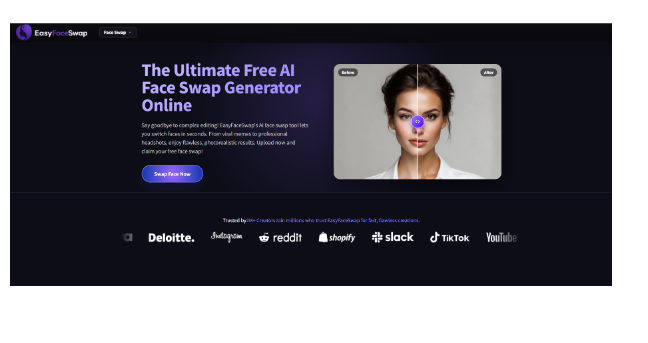
Content creators are under more pressure than ever to publish fast, test ideas early, and keep visuals fresh across every platform. In 2026, AI face swap is no longer a novelty trick people use once for a joke post. It has become a practical production tool for thumbnails, short videos, ad concepts, creator merch, fan content, and fast visual testing.
I’ve seen the biggest shift among solo creators and small teams. They don’t use face swapping to avoid doing real creative work. They use it to remove slow steps that used to block a good idea, like waiting for another shoot, finding a model, redoing a thumbnail, or creating five versions of the same visual for different audiences. A clean AI face swap can turn one strong concept into several usable assets in minutes, as long as the creator handles consent, quality checks, and context with care.
The best creators are also more careful than they were a few years ago. Viewers can spot lazy edits, and platforms are stricter about misleading media. That means face swap tools work best when they support honest storytelling, parody, personalization, or production planning rather than deception. When used well, a photo face swap tool helps creators move faster without making their content feel fake or careless.
Scenario 1: Faster Thumbnails and Social Hooks
Thumbnails still make or break a lot of content. On YouTube, TikTok, Instagram Reels, and podcast clips, the first visual has to explain the mood before the viewer reads a word. A creator might have a strong photo from a shoot, but the facial expression is wrong for the topic. Maybe the video is about surprise, but the best image looks calm. In the past, that meant digging through folders, reshooting, or settling for a weaker visual.
In 2026, creators use face swap to test expressions and character framing before they commit to a final thumbnail. A commentary creator might try a shocked look, a skeptical look, and a confident look against the same background. A fitness coach might compare a smiling image with a more focused training face. The goal isn’t to make the person look like someone else. It’s to match the face, emotion, and promise of the content.
This saves time, but it also improves decision making. I’ve worked on thumbnail tests where the first idea felt obvious until we saw two or three face options side by side. A small change in expression can make the title feel more believable. For creators who publish often, that adds up. Better thumbnails don’t guarantee views, but poor thumbnails can quietly limit even strong content.
The benefit is speed with better creative control. Instead of treating a single photo as final, creators can build a small set of visual options and choose the one that best fits the story. The smart ones still check the result at small size, because most viewers see thumbnails on phones, not large monitors.
Scenario 2: Brand Campaigns Without Extra Shoots
Small creator brands often need more content than they can afford to shoot. A skincare creator may need product posts, ad variants, email banners, and seasonal graphics. A gaming creator may want profile images, sponsor visuals, and event promos. A travel creator may need local versions of the same campaign. Hiring photographers, models, editors, and makeup artists for every variation gets expensive fast.
AI face swap gives these teams a way to reuse approved assets across different campaign concepts. For example, a creator can place their own face into a styled campaign image that matches the product mood, then adjust the copy and layout for each platform. A brand can also test how a founder, creator partner, or approved ambassador looks in a scene before booking a full shoot.
This is especially useful during planning. I’ve seen teams use rough face swapped mockups to decide which campaign direction is worth paying for. If the concept looks weak in draft form, they can change the art direction before spending real money. If it looks promising, they can use the mockup as a reference for a proper shoot.
Here’s how creators usually think about the safest use cases:
| Use case | Main benefit | Important guardrail |
|---|---|---|
| Thumbnail testing | Faster visual decisions | Keep expressions believable |
| Brand mockups | Lower planning cost | Use approved faces only |
| Fan campaigns | More personal visuals | Avoid real person confusion |
| Character content | Stronger storytelling | Label parody or fiction clearly |
The benefit here is not just lower cost. It’s less waste. Creators can test visual ideas before they involve a full team. That makes campaigns sharper and helps small brands look more consistent without pretending every image came from a full studio shoot.
Scenario 3: Character Content, Comedy, and Fan Posts
Entertainment creators use AI face swap in a different way. For them, it’s often about character work. A comedy creator might place their own face into a dramatic movie style poster for a joke. A streamer might make themed profile images for a new game season. A cosplay creator might preview how a character look could work before making the costume.
This kind of content works because the audience understands the context. It’s playful, not hidden. The viewer knows it’s an edit, and that honesty makes the post safer and more enjoyable. In fact, some of the best uses are obvious on purpose. The face swap becomes part of the joke, the reference, or the fan culture.
The main benefit is creative range. A creator doesn’t need a costume, set, lighting setup, and photographer just to test a character idea. They can create a concept image, show it to their audience, and see if people respond. If the post gets comments, saves, or shares, the creator may turn it into a full video, cosplay, stream theme, or merch drop.
Still, this is where judgment matters most. Swapping a face onto a public figure, private person, or sensitive scene can cross a line quickly. Smart creators avoid content that could confuse viewers, damage someone’s reputation, or suggest a person said or did something they didn’t. Comedy works best when the target and context are clear.
Scenario 4: Localized and Personalized Creator Assets
Creators with global audiences use face swap for localization more than people realize. A creator may have followers in different regions and want visuals that feel closer to each audience. This could mean changing the model in a campaign draft, building region-specific thumbnails, or creating personalized fan reward images for community members who gave permission.
This matters because audiences respond to images that feel familiar. A cooking creator might test different host shots for regional recipe packs. An online coach might prepare webinar graphics with different approved presenters. A music creator might create personalized cover art for fan contests. In each case, the face swap supports a more personal experience.
The benefit is relevance. Personal content usually performs better because it feels less generic. But creators must be clear about permissions, especially with fan images. A person sending a selfie for one use doesn’t mean they agreed to unlimited edits forever. The best workflow includes a clear note about how the image will be used, where it will appear, and when it will be deleted.
I’ve found that creators who document consent avoid most problems later. Even a simple written approval in email or a form is better than a vague direct message. It protects the creator, but it also shows respect for the person whose face is being used.
A Practical Workflow for Creators
A good face swap workflow starts before opening any tool. The creator first decides the purpose of the asset. Is it a thumbnail test, a public post, a campaign draft, or a private concept? That choice affects how polished the result needs to be and how much disclosure is needed.
Next, they choose source images with similar angles, lighting, and expression. This step matters more than beginners think. A front-facing face placed onto a side-facing head will usually look strange. Harsh light on one face and soft light in the target image can also make the edit feel fake. The better the match at the start, the less cleanup is needed later.
After generating the swap, the creator checks the image at normal viewing size. Zooming in can help find flaws, but most audiences won’t inspect every pixel. The more important question is simple: does the image feel natural in the place it will be used? A thumbnail needs clarity at small size. A campaign image needs brand consistency. A comedy post needs the joke to land fast.
Then comes the ethics check. If the face belongs to someone else, the creator confirms permission. If the image could be mistaken for a real event, they add context. If the edit involves politics, health, finance, minors, or sensitive identity topics, they slow down or avoid it. AI tools make production faster, but they don’t remove responsibility.
The final step is saving versions with clear file names. This sounds boring, but it helps a lot when a creator is testing several concepts. I’ve seen teams lose track of which image was approved, which was only a draft, and which one had permission issues. Clean folders and notes prevent bad uploads.
Conclusion
AI face swap in 2026 is most useful when creators treat it as a production aid, not a shortcut around trust. It helps with thumbnails, campaign mockups, character content, localized assets, and fan experiences. The real value is speed, variety, and lower testing cost.
The creators getting the best results are not the ones pushing the tool the hardest. They’re the ones using it with taste. They start with good images, match the edit to a clear purpose, get permission, and avoid content that could mislead people. That balance lets them publish more creative work without damaging the trust they’ve built with their audience.




Comment