How Commercial Buildings Can Prepare for the Shift to Clean Energy

The buildings sector accounts for nearly forty percent of global energy consumption today, a big chunk of which is contributed by commercial structures. Property owners face intense pressure to decarbonize operations quickly as aging infrastructure struggles to keep pace with modern efficiency demands and rising tenant expectations.
Facility managers need proactive strategies to navigate the clean energy shift without disrupting daily business operations. Meeting these aggressive climate targets now requires careful planning across every level of property management.
Evolving Regulatory Landscape and Sustainability Goals
Municipalities worldwide are tightening building performance standards and environmental codes. While some regions lag behind, local ordinances in many parts of the US and the globe now mandate strict carbon emission caps for large commercial properties.
Penalties for noncompliance climb higher each financial year. Building owners must review local regulatory codes immediately to avoid costly fines.
Evaluating Electrical Infrastructure Readiness
In cities like Indianapolis, where transparency ordinances require reporting energy usage, assessing core electrical capacity is essential. Commercial retrofits often reveal outdated wiring or load bottlenecks.
Consulting with an FSG Indianapolis electrical contractor ensures your building’s electrical architecture is safely optimized to handle future clean energy demands. Switchgears and panels need professional diagnostic reviews before new loads are added.
Energy Consumption and Operational Efficiency Assessments
Making clean energy moves without understanding exactly what you need to change or adjust would be an exercise in futility. Comprehensive energy audits uncover hidden waste across heating, cooling, and lighting systems. Facility teams can identify immediate low-cost fixes before investing in major overhauls.
Key focus areas during a standard building energy audit include:
- Evaluating thermal envelope performance to minimize air leakage
- Analyzing HVAC scheduling routines to reduce idle run times
- Assessing fixtures to identify opportunities for smart LED systems with occupancy sensors and daylight harvesting controls
Navigating Available Financing Grants and Rebates
Capital expenditure budgets often constrain ambitious sustainability upgrades, but governments now have incentives and utility rebates that significantly lower upfront financial barriers.
For instance, tax credits also reward properties that integrate high efficiency equipment. Financial planning teams should map out available grants early in the project lifecycle to maximize savings.
Real-Time Submetering and IoT Monitoring
Visibility into energy consumption drives behavioral and operational changes. Smart sensors track usage patterns across individual floors and tenant spaces.
And as technology in this space continues to advance, real time data empowers managers to optimize peak load shifting. Continuous tracking makes it easy to catch equipment anomalies before catastrophic failures occur in building systems.
Establishing Tenant Engagement and Green Leases
Split incentives often stall energy efficiency projects between landlords and occupants, but landmark frameworks found in the Near Zero and Resilient Buildings guidance emphasize collaborative occupant management.
Green leases align financial responsibilities with sustainability performance goals. Educating tenants on conservation practices multiplies overall resource savings.
Integrating Renewable Generation and Energy Storage Solutions
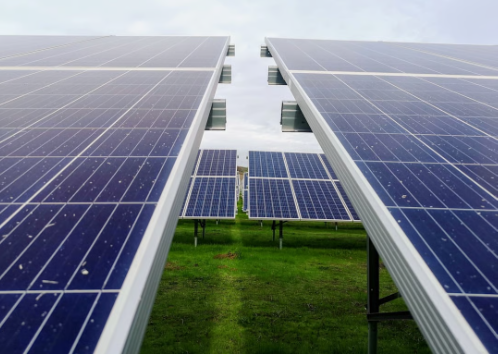
Onsite solar installations reduce reliance on fossil fuel-powered grid electricity. Many commercial buildings are now relying on battery energy storage systems to protect operations against unexpected grid outages and unexpected demand charges.
Reports from an analysis of electrification trends show that systemic integration is key to future proofing. Combining solar arrays with smart storage creates resilient microgrids for commercial facilities.
Future Proofing Your Commercial Property
Sustainable real estate operations require continuous dedication. Proper preparation protects asset value against shifting market demands and regulatory pressures. If commercial buildings take a forefront lead on reducing carbon emissions, the blue planet makes a huge leap forward in combatting climate change.
Scroll down and check out related topics below if you enjoyed reading this one.