Buying a car used to be a straightforward decision. Drivers compared horsepower, fuel economy, and price, then chose the model that felt right. Today, expectations have shifted dramatically. Modern consumers do not just evaluate vehicles as machines — they judge them as technology platforms.
The change mirrors what happened with smartphones. Once people experienced constant connectivity, instant updates, and personalized settings, they never wanted to return to simpler devices. The same mindset now applies to cars. Drivers increasingly expect vehicles to behave like smart products that adapt, inform, and assist.
From Ownership to Experience
Consumers no longer think only about what a vehicle is. They think about how it behaves daily.
They now expect:
- Automatic software updates
- Real-time navigation and traffic adaptation
- Voice-controlled features
- App-based remote access
The purchase decision has shifted from mechanical capability to user experience. A vehicle is judged by how intuitive it feels, not just how powerful it is.
Connectivity Is No Longer Optional
Connectivity used to be a premium feature. Now it is baseline.
Drivers expect their vehicles to integrate seamlessly with their digital lives:
- Syncing calendars
- Sending route updates to phones
- Remote locking and starting
- Maintenance alerts
Without these features, a vehicle feels outdated even if it performs perfectly on the road. The expectation is no longer to transport alone. Rather, it is continuity between home, phone, and car.
Safety Expectations Have Evolved
Safety once meant airbags and strong brakes. Now it means prevention.
Consumers increasingly assume vehicles will actively help them avoid accidents. Assistance technologies such as lane guidance and collision alerts are becoming perceived as necessities rather than bonuses.
Drivers now expect vehicles to watch the road with them, not simply protect them afterward.
Personalization Is Becoming Standard
Modern technology trains people to expect personalized environments. Music apps learn taste. Streaming platforms learn preferences. Vehicles now face the same expectation.
Drivers want cars to remember:
- Seat positions
- Climate settings
- Preferred routes
- Infotainment layouts
The car becomes a familiar environment rather than a generic machine.
Maintenance Transparency Builds Trust
Technology has also changed expectations around reliability. Consumers increasingly want to know what is happening inside the vehicle.
Digital diagnostics and alerts create reassurance because drivers no longer rely on guesswork. Instead of discovering problems during breakdowns, they receive early notifications.
Transparency has become part of perceived quality.
The Buying Journey Is Now Digital
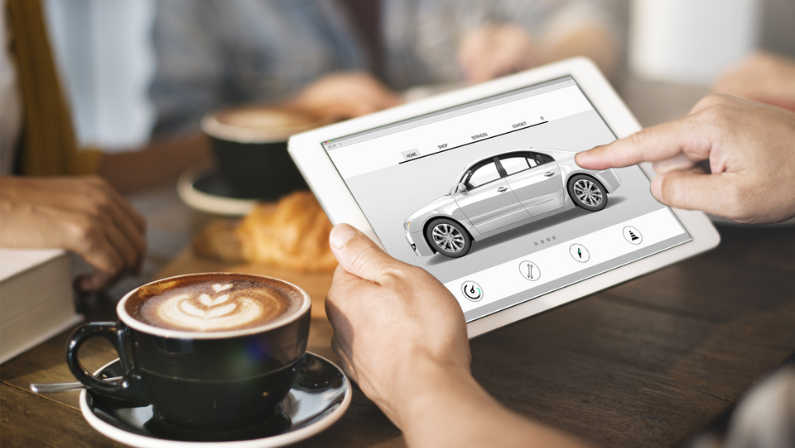
Technology has transformed not just the car but the purchase process. Consumers research, compare, and evaluate online before stepping into a dealership.
Automotive businesses increasingly rely on sophisticated automotive digital marketing to present inventory, personalize offers, and communicate with customers across multiple channels. Dealership strategies now include search visibility, social media engagement, and targeted campaigns to meet customers where decisions actually begin.
The vehicle may be physical, but the decision journey is digital.
Updates Extend Product Lifespan
Software-driven vehicles introduce a new concept: improvement after purchase.
Consumers now expect features to evolve over time rather than remain static. Updates that enhance navigation, efficiency, or interface design change the relationship between owner and vehicle. Ownership becomes ongoing rather than fixed.
This alters how buyers define value. A car is no longer judged only at purchase, but by how it grows.
Expectations Move Faster Than Technology
Interestingly, consumer expectations now evolve faster than automotive hardware cycles.
Drivers compare vehicles not to other cars, but to phones, apps, and smart home devices. If a car feels less responsive than a mobile app, it feels outdated, regardless of performance.
The benchmark is no longer the automotive industry. It is the entire technology ecosystem.
The Car as a Digital Companion
Vehicles have become daily companions rather than occasional tools. People spend significant time inside them commuting, travelling, and running errands. As a result, drivers expect interaction rather than operation.
They want:
- Guidance rather than instructions
- Anticipation rather than reaction
- Convenience rather than effort
Technology has redefined the role of transportation from mechanical movement to supported mobility.