
How Can Programmable Logic Controllers Improve Industrial Efficiency?

Your machines always break down when you’re least expecting them, and it just doesn’t seem fair. Production comes to a halt, orders mount, and your team is frantically trying to figure out what happened. Every hour you lose costs money and throws off your whole day.
Fortunately, you don’t have to settle for this. Programmable logic controllers can monitor your machinery 24 hours a day and identify minor issues before they become major issues. Imagine them as a pair of constant watchful eyes on your gear, ensuring that everything is on track. That kind of assistance saves you from spending time chasing issues and gives you more time for the actual job.
This article will guide you through these five easy ways these industrial controllers can help maintain your operations and maximize your efficiency.
1. Real-Time Monitoring Catches Problems Before They Cause Downtime
Programmable logic controllers keep watch over your machines every minute of the day. They monitor variables such as heat, pressure, and speed to determine the performance of your equipment. As soon as something does not seem right, the controller alerts your team with a warning.
Having such an early warning gives you time. Rather than waiting for a machine to come to a complete halt, it is possible to spot trouble at an early stage. It can save you a full day of work down the road if you fix it now!
With time, this constant stream of information also brings about something new. You start to become aware of which areas suffer the most wear and which ones cause problems. With that knowledge, you can plan repairs before it becomes an emergency.
2. Automated Process Control Improves Consistency and Output Quality
When a machine runs the same way every time, your job gets a whole lot easier. A controller follows a clear set of rules instead of leaving settings up to a worker’s hand. This cuts down on the small slip-ups that happen when people get tired or rushed.
Because of this, your products come out looking and working the same way, batch after batch. That builds trust with buyers and saves time you would otherwise spend fixing errors. Steady output also means fewer surprises for your team during a long shift.
Beyond that, this steady process protects your machines too. Equipment that runs within safe limits does not wear down as quickly. Over the years, that adds up to fewer breakdowns and a longer life for your tools.
3. Centralized Fault Diagnosis Speeds Up Troubleshooting Across Systems
Finding out why a machine failed can eat up hours you do not have to spare. A connected system pulls information from every machine into one place. This gives your team a clear starting point the moment trouble shows up.
From there, your team can see error codes and alerts right away instead of checking each machine by hand. This saves time that would normally go into testing parts one by one. Repairs happen faster, and your machines get back to work sooner.
When multiple machines are impacted by one problem, speed becomes even more critical. As things are interconnected, your team can see how one problem has been causing another. That complete picture enables you to solve the actual problem, rather than what appears on the surface.
4. Scalable Programming Adapts Production Lines to Changing Demands
Production needs shift throughout the year, and yours is no exception. Order sizes change, new products come in, and old ways of doing things need updates. A controller lets you make these changes through programming instead of buying new machines every time.
Switching from one product to another gets much simpler this way. Your team can update the program instead of rebuilding the whole setup from scratch. That means shorter breaks between jobs and less time standing still.
Even as your work grows, this same setup keeps serving you well. You can add new machines or expand a line without starting your whole system over. This makes it easier to grow at your own pace and stay ready for whatever comes next.
5. Integration With Robotics and Hydraulics Streamlines Coordinated Operations
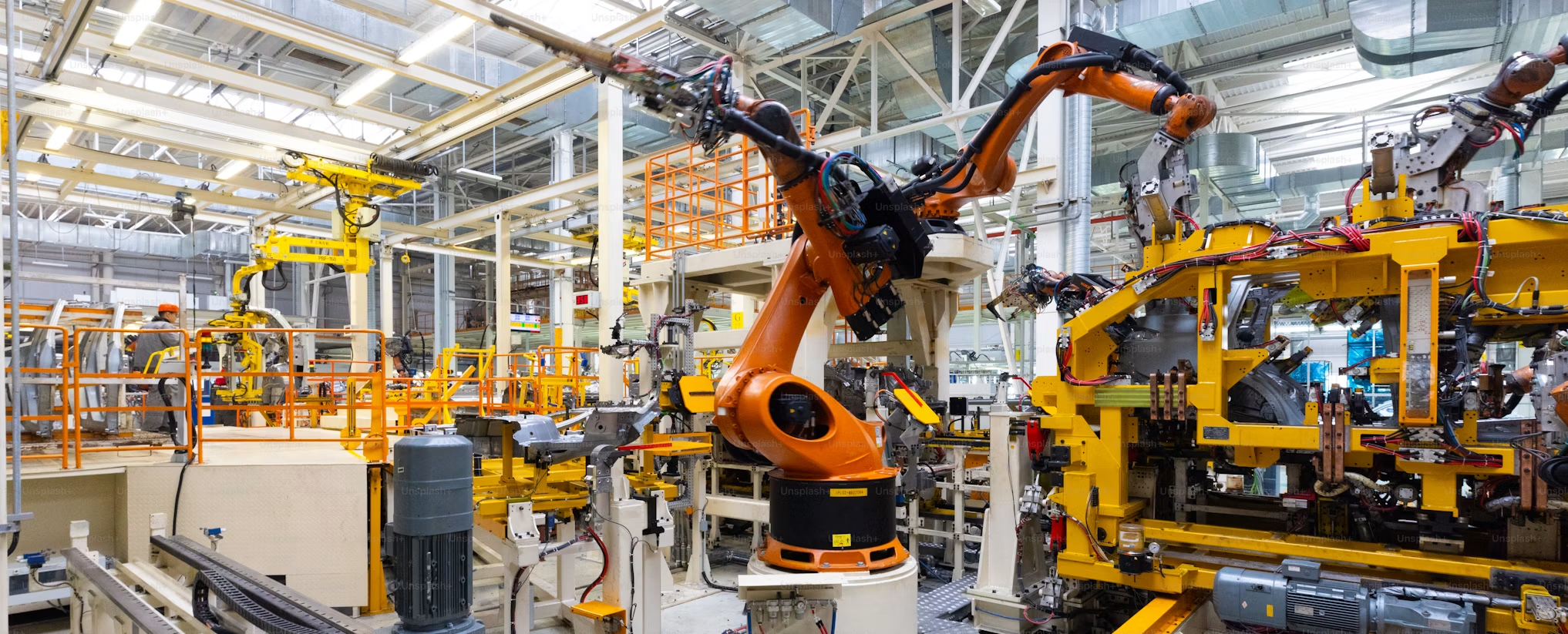
Most industrial work does not run on just one type of machine. Robotic arms, hydraulic presses, and electrical controls often work side by side on the same line. A controller acts as the link that keeps all these parts talking to each other.
Without this kind of teamwork, machines fall out of step, and one system waiting on another wastes time. When everything stays connected, each step happens at the right moment. Parts move smoothly from one stage to the next without needless delays.
Small problems also get easier to spot once systems work as a team. If one part slows down, you see the effect right away instead of finding out later. That kind of visibility helps you catch trouble before it slows down your entire operation.
Conclusion
Running an efficient operation does not come from working harder. It comes from using the right tools to watch, guide, and connect your machines every single day. When your equipment can catch problems early and adjust on its own, you spend far less time putting out fires.
Take a closer look at how your machines currently work together. Small changes in how you monitor and connect your systems can lead to real, lasting gains in output, quality, and uptime.






Comment