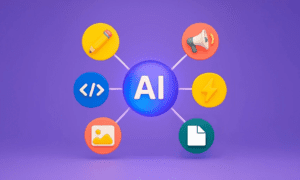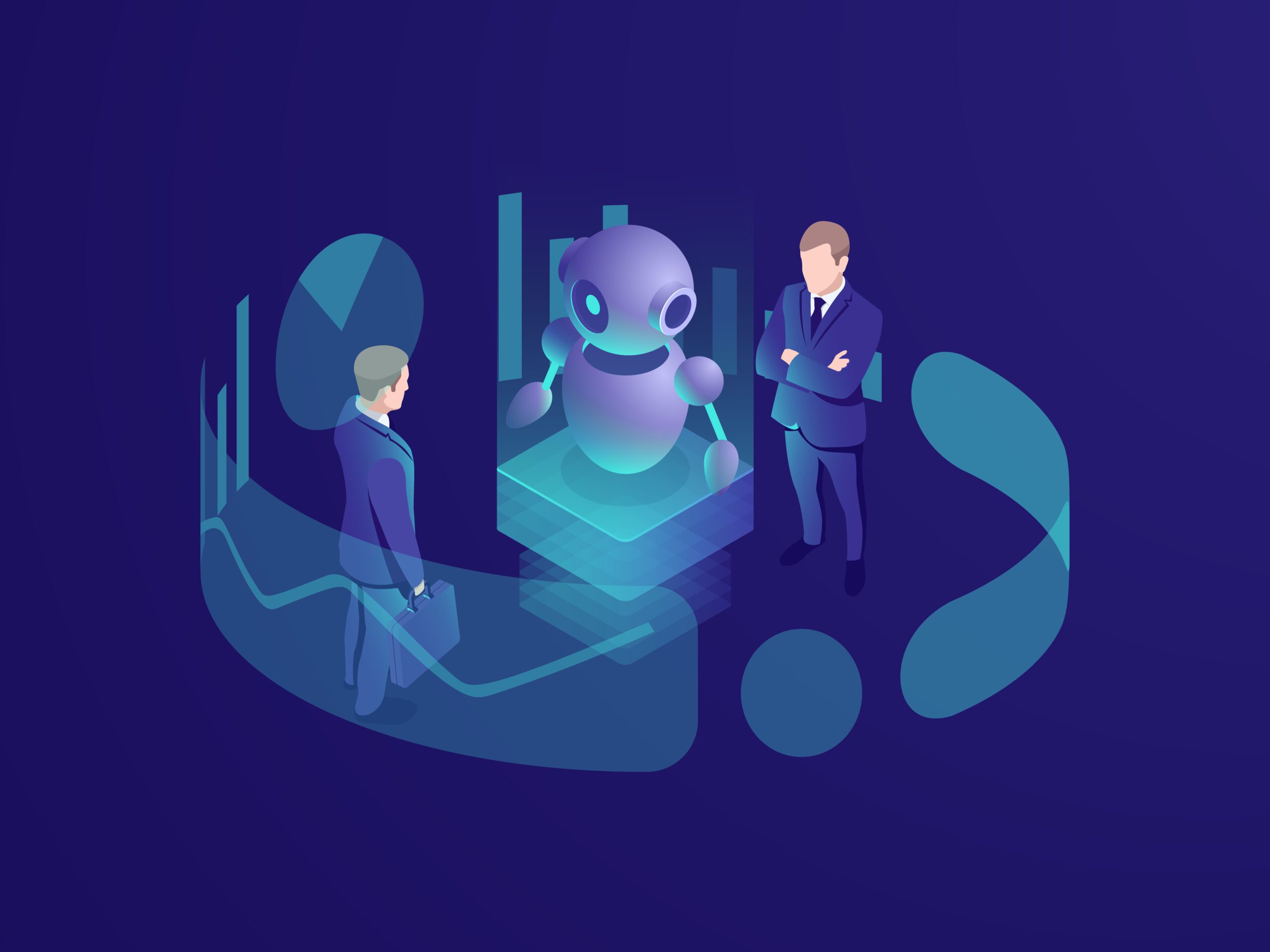
Artificial Intelligence (AI) is no longer a futuristic concept—it’s actively reshaping the way small businesses operate. From automating repetitive tasks to improving customer experiences, AI has become a key driver of growth and efficiency in 2026. Small businesses that embrace AI now can gain a significant competitive edge, streamline operations, and enhance decision-making.
- AI-Powered Automation Saves Time and Costs
One of the most immediate benefits of AI for small businesses is automation. Tasks that once required hours of manual effort—like data entry, email responses, and inventory management—can now be handled efficiently with AI-powered tools. For example, AI chatbots can manage customer queries 24/7, allowing staff to focus on higher-value tasks.
According to recent surveys, small businesses using AI for automation have reported 30–40% reductions in operational costs, which allows them to reinvest resources into growth initiatives.
- Enhanced Customer Experience Through AI
In 2026, customers expect fast, personalized service. AI helps small businesses meet these expectations by analyzing customer behavior and delivering tailored experiences.
- Recommendation enginessuggest products based on past purchases.
- AI-driven analyticsidentify trends in customer feedback.
- Predictive toolsanticipate customer needs.
By integrating AI into customer service, small businesses can increase retention, loyalty, and revenue.
- Smarter Decision-Making with AI Analytics
Data is the backbone of business decisions, and AI makes analyzing it faster and more accurate. Small businesses can now:
- Forecast sales using predictive analytics
- Monitor market trends in real-time
- Optimize marketing campaigns by identifying high-performing channels
These insights allow small businesses to make data-driven decisions, reduce risk, and improve profitability.
For those looking for more real-world business strategies, check out this detailed guide on practical legal insights — it demonstrates how structured workflows and AI tools can improve efficiency for small companies.
- AI in Marketing and Sales
Marketing is another area where AI is transforming small businesses. From automated email campaigns to personalized social media content, AI tools help small businesses reach the right audience efficiently.
AI algorithms can analyze engagement metrics to determine the best time to post content or identify which leads are most likely to convert. This not only saves time but boosts ROI for marketing efforts.
- Overcoming Challenges of AI Adoption
While the benefits are clear, adopting AI comes with challenges. Small businesses may face:
- Initial setup costs
- Staff training requirements
- Data privacy and security concerns
Many businesses are mitigating these challenges by using cloud-based AI tools, which require minimal technical expertise and offer scalable solutions.
Adopting AI today ensures scalability, cost efficiency, stronger security, faster innovation, and long-term resilience, positioning small businesses to adapt confidently to market changes, customer expectations, and emerging technologies in an increasingly competitive digital landscape world.
Conclusion
AI is no longer a luxury—it’s a necessity for small businesses aiming to thrive in 2026. By automating tasks, enhancing customer experiences, enabling data-driven decisions, and improving marketing strategies, AI empowers small businesses to compete with larger enterprises.
For small business owners who want to explore more practical strategies and insights, SwiftTech3.com provides comprehensive guides, case studies, and actionable tips to help companies implement AI efficiently and effectively.