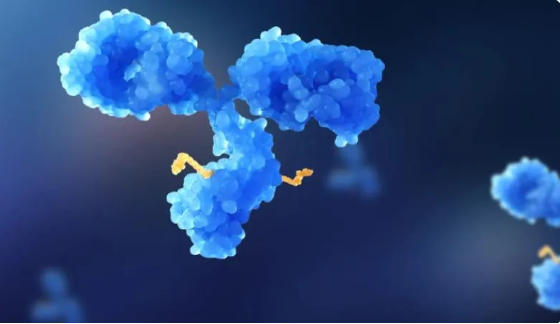
Antibody–drug conjugates (ADCs) promise targeted cancer therapy but remain complex to design. Researchers must match the right antibody, linker, and payload while managing safety, stability, and manufacturing. Artificial intelligence and digital tools now support those choices with data, not guesswork. Teams mine omics datasets, use structure-based models, and apply automation to test more variants faster. These advances help identify promising ADC designs earlier, reduce attrition in development, and refine preclinical strategy. The result is a more focused, evidence-driven path toward better oncology candidates.
How AI Improves Early ADC Design?
Finding Better Targets for Cancer Cells
AI helps scientists sort through huge genomic and proteomic datasets to find cancer-specific antigens that make sense for ADCs. Algorithms compare expression between tumors and normal tissues to highlight targets with strong differential expression and limited off-tumor presence. Tools also analyze cell surface localization and internalization behavior from imaging and literature data. By ranking targets on selectivity, prevalence across patient subgroups, and potential resistance mechanisms, AI guides researchers toward antigens more likely to support effective, safer, and broadly useful adc drug therapies.
Predicting Antibody Binding and Internalization
Machine learning models now predict how candidate antibodies will bind to targets and internalize into cancer cells. Developers feed structure, sequence, and biophysical data into algorithms that estimate affinity, epitope accessibility, and off-target binding risks. Image-based models interpret microscopy data to quantify internalization rates and trafficking to lysosomes, where ADC payloads are released. These tools flag antibodies that may bind but fail to internalize efficiently. Teams then prioritize designs that show strong, specific binding and robust internalization, improving the chances of meaningful payload delivery.
Screening ADC Candidates With Data Models
Data-driven platforms combine target properties, antibody features, linker chemistry, and payload parameters into integrated ADC screening models. Developers use historical datasets and experimental readouts to train algorithms that predict efficacy, stability, and safety profiles for new constructs. Virtual screening quickly filters thousands of theoretical ADC combinations before any wet-lab work starts. The models highlight promising options and expose combinations with likely aggregation, metabolism, or toxicity problems. This approach reduces trial-and-error experimentation and helps project teams focus resources on the most viable ADC candidates.
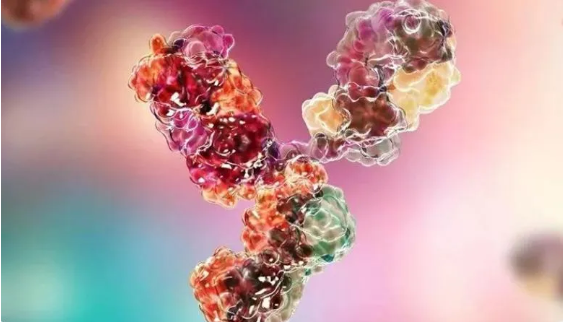
How Technology Optimizes ADC Components?
Designing Smarter Linkers for Stability
Linkers control when and where ADCs release their payloads, so their design is critical. Computational chemistry and AI-guided modeling now evaluate linker stability in blood, susceptibility to enzymatic cleavage, and behavior in different pH environments. Tools simulate degradation pathways and help chemists adjust functional groups to balance stability with efficient release at the tumor site. Data from in vitro assays feed back into models, improving future predictions. This cycle supports rational linker design, which reduces premature payload release and improves the therapeutic window.
Choosing Payloads With Better Activity Profiles
Teams use AI models and cheminformatics to compare payload options on potency, mechanism, permeability, and off-target effects. Algorithms analyze structure–activity relationships and link molecular features to cytotoxicity and safety findings from previous programs. Tools can predict whether payloads will accumulate in sensitive organs or interact with key safety targets. By scoring candidates across multiple parameters, these platforms help researchers balance potency with tolerability and resistance risks. This data-driven view supports informed payload selection for specific tumor types and patient populations.
Using Automation to Speed Up Testing
Automation and robotics now handle many routine ADC experiments. High-throughput platforms prepare conjugations, run binding and internalization assays, and perform cell viability screens with minimal manual intervention. Integrated data systems capture results in standardized formats ready for analysis. AI then mines this data to identify trends, such as relationships between drug-to-antibody ratio, linker type, and cytotoxic response. Automated workflows cut turnaround times, reduce variability, and free scientists to focus on interpretation and design decisions instead of repetitive experimental tasks.
How Digital Tools Support Preclinical Decisions?
Modeling PK, PD, and Safety Risks
Pharmacokinetic (PK) and pharmacodynamic (PD) models translate ADC properties into predictions about exposure and response in animals and humans. Quantitative systems pharmacology tools integrate binding, internalization, catabolism, and payload release data. AI-enhanced models test many dosing scenarios and simulate variability across virtual patients. Safety models analyze links between exposure and toxicology findings from preclinical studies. These simulations guide dose range selection and help teams anticipate on-target and off-target effects. Strong modeling support improves preclinical decision-making and informs smarter clinical planning.
Connecting Lab Data With Clinical Potential
Digital platforms now unify discovery, in vitro, in vivo, and early clinical datasets into one environment. Data scientists use analytics and visualization to connect cell-based potency, animal efficacy, and biomarker changes with emerging clinical signals. Machine learning identifies patterns that predict which ADCs and which patient subgroups will likely benefit most. Teams then refine indication strategy, biomarker plans, and combination approaches. This connected view helps organizations decide when to advance, modify, or stop ADC programs based on integrated, real-world evidence.
Conclusion
AI, automation, and modeling are transforming ADC development from intuition-driven to data-driven. Researchers can now identify better targets, design more stable linkers, select payloads more rationally, and simulate PK, PD, and safety before costly trials. Automated platforms and integrated data systems shorten cycles between design, experiment, and insight. These advances do not replace scientific judgment; they strengthen it with evidence and predictive power. As tools mature and datasets grow, ADC programs can progress with more confidence, efficiency, and patient-centered focus.
Read More From Techbullion