
How a Visitor Management System Supports Better Workplace Organization

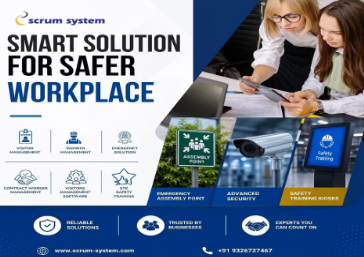
There is an increase in structure in modern workplaces because of the introduction of digital means in organizing activities within organizations. There are offices, industries, commercial buildings, and even large corporate campuses with people moving in and out of the workplace daily. Coordinating all this activity calls for some process that will provide structure to the activities.
Some manual systems like record keeping, spreadsheets, and other paper-based forms, as well as communication problems, make organizing workplace activities very cumbersome. Digital processes can facilitate better organization of information and communication within the organization.
The Growing Need for Digital Workplace Processes
Workplace management includes a number of interrelated functions. Administration departments might be managing employees’ information, reception departments might be coordinating visits, and operational departments might be working with contractors or any other outside personnel.
When each function is managed independently, there is a danger of information fragmentation. The employees have to make several calls, sift through several documents, and perform information updating manually.
Digital workplace solutions could provide for a more organized process by incorporating the required information in workflow processes.
Improving Visitor Coordination
Visitors can arrive for many different reasons, including meetings, interviews, deliveries, maintenance work, and business discussions. Each visit may require communication between the visitor, reception team, and employee they are meeting.
A visitor management system can help organize activities such as visitor registration, host notifications, arrival records, and departure information.
A structured process can make it easier for reception teams to identify expected visitors and communicate with employees. It can also create a consistent approach to visitor handling across different days and shifts.
Using Digital Tools for Workforce Coordination
Visitor management is only one part of workplace organization. Businesses may also need to coordinate permanent employees, contractors, temporary workers, and other personnel.
Workforce-related information can include assignments, attendance, work locations, departments, and other operational details. Maintaining such information manually can become difficult when an organization has a large or distributed workforce.
A labour management system can help organizations structure workforce-related information and support more organized processes. The specific requirements can differ depending on the industry, workforce size, and operational model.
Digital records can make relevant information easier for authorized teams to access and update when necessary.
How Visitor Management Software Supports Daily Operations
Managing visitors often involves several small administrative activities. Reception staff may need to record visitor details, confirm appointments, contact hosts, and maintain entry and exit records.
Visitor management software can bring these activities together within a digital workflow. Instead of relying entirely on paper registers and separate communication channels, organizations can establish a more consistent process for handling visitors.
Digital records may also make it easier to review previous visits when authorized personnel need specific information. Organizations should determine what information is necessary and establish appropriate policies for access, storage, and retention.
Reducing Repetitive Administrative Work
Management teams may end up spending quite a lot of their time doing mundane tasks. The re-entry of data, keeping various records, appointment-checking, and updating can contribute to this burden.
Digital processes will make these mundane tasks easier since they can be done through standardizing processes. The information can be entered in a structured form, and notifications among others can be part of the process.
The reduction of mundane tasks is not the removal of human intervention. Rather, it involves using technology for the staff to concentrate on more demanding tasks.
Connecting Different Workplace Teams
Effective management in the workplace would also involve communication among the various teams. The reception team would communicate with other workers, while the administration department would manage the information regarding the workers. The facility teams would also communicate with outside services providers.
With digitization of information in one place, gaps in communication can be minimized since people who have access to the information would not depend solely on communications.
Access levels of information can also be set based on the roles of an individual at the organization.
Supporting Workplace Safety
Digital logs can help improve safety and accountability in workplaces. Information about who is coming into the premises could come in handy in an emergency situation.
Records for visitors can help management determine what visitors have come in and if they have left. Similarly, workforce logs can offer some information on employees who are working in the specific premises.
This information must be used to improve the existing safety processes and not to replace them. There are many other things that organizations need, including plans and procedures for emergencies.
Managing Workplace Information Responsibly
However, the use of digital tools makes it easy for organizations to manage their information. Information collected from visitors and employees may include sensitive information that should only be accessed by authorized people.
It is recommended that organizations have guidelines for the management of information such as information collection, access, storage, retention, and disposal. This will enable organizations to review records and dispose of unnecessary information.
Building More Organized Workplace Operations
Digital technologies have become an increasingly essential component of contemporary workplace management. They are meant to create more efficient workflows rather than just substitute conventional processes with their digitized counterparts.
By digitizing processes such as visitor coordination, employee information, communications, and documentation, organizations will be able to increase visibility within routine activities.
In the face of changes at work, companies will be able to analyze their existing workflow and find areas where digital tools may help eliminate repetitive administrative tasks and improve coordination. Such an approach must take into account the size of the company, its organizational structure, visitors, and its needs.





Comment