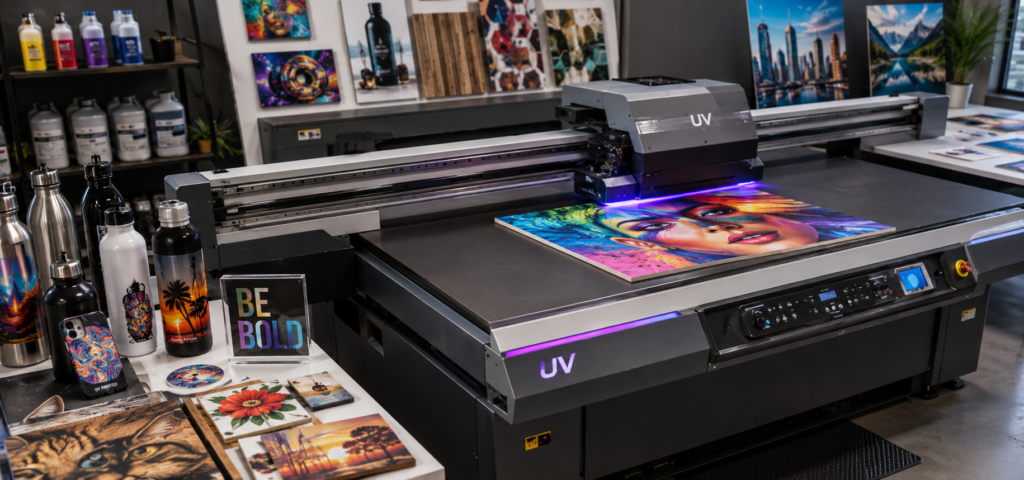
What Is a UV Printer and How It Works
A UV printer is a type of digital printing machine that uses ultraviolet light to cure or dry ink as it is applied to a surface. Unlike traditional printing methods that depend on air-drying or heat, UV printing hardens the ink instantly. This prevents the ink from soaking into the material, resulting in sharper detail and more precise finishes.
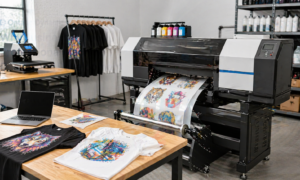
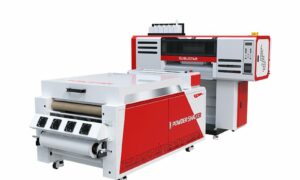
When exploring this technology, it helps to understand the process through an example of a modern system: a uv printer. UV curing relies on specially formulated inks that react immediately when exposed to ultraviolet light. As soon as the ink is printed, it solidifies, removing the need for drying time and helping maintain the exact quality of the design.
This efficiency has led to increased adoption in both commercial and custom printing environments. Businesses are moving toward UV technology because of its speed and reliability. Another major advantage is its versatility, as it can print directly onto materials like plastic, glass, wood, and metal—surfaces that traditional printers often struggle to handle.
Advantages Over Traditional Printing Methods
UV printing stands out when compared to solvent and standard inkjet methods, especially in terms of speed. Because the ink cures instantly, there is no delay between printing and handling. This allows for faster turnaround times, which is particularly useful in high-demand production settings.
Durability is another key benefit. The cured ink forms a strong bond on the surface, making prints resistant to fading, scratches, and environmental wear. This ensures that the final product maintains its quality over time, even in challenging conditions.
Additionally, UV printing reduces the risk of smudging or bleeding. Since the ink dries immediately, designs remain intact during production, even when items are handled or stacked. This consistency improves overall efficiency and reduces wasted materials caused by printing errors.
Practical Applications Across Industries
The flexibility of UV printing makes it suitable for a wide range of applications. In signage and retail, businesses use it to create high-quality displays, exhibition boards, and promotional materials. The ability to print directly onto rigid substrates eliminates the need for mounting, saving both time and resources.
Custom merchandise is another area where UV printing performs well. Products like phone cases, pens, and branded packaging can be printed with detailed designs and vibrant colors. This is particularly useful for businesses offering personalized or small-batch items, where flexibility and quality are essential.
UV printing also plays a role in interior design. It allows for decorative printing on surfaces such as tiles, panels, and glass. This opens up new design possibilities, enabling unique finishes that would be difficult to achieve with traditional techniques.
Key Considerations Before Investing
Before choosing a UV printer, it is important to understand the different types available. Flatbed printers are designed for rigid materials and allow direct printing onto solid objects, while roll-based machines are better suited for flexible media like banners and films. The right choice depends on the intended use and production requirements.
Ink performance and color accuracy should also be carefully evaluated. Not all UV inks behave the same way, and compatibility with different materials is essential for achieving consistent results. Poor ink selection can lead to adhesion issues or uneven color output.
Cost is another important factor. While UV printers can improve efficiency, they require an initial investment as well as ongoing expenses for ink, maintenance, and servicing. Assessing these costs against expected production output can help determine whether the investment is worthwhile.
Maintenance and Longevity
Maintaining a UV printer properly is essential for consistent performance. Regular cleaning of print heads and surfaces helps prevent clogs and ensures smooth operation. Neglecting maintenance can lead to reduced print quality and unexpected downtime.
Proper handling and storage of UV inks are equally important. Since these inks are sensitive to light and environmental conditions, they should be stored according to recommended guidelines to preserve their effectiveness.
Routine calibration helps maintain precision over time. Small shifts in alignment or color output can occur with regular use, so periodic adjustments are necessary to keep results accurate. Preventative maintenance not only improves output quality but also extends the lifespan of the machine.
Conclusion
UV printing offers a practical solution for improving efficiency and expanding creative possibilities in modern printing projects. With instant curing, strong durability, and the ability to print on various materials, it provides clear advantages over traditional methods.
Whether used for signage, custom products, or decorative applications, UV technology supports both small-scale and large production needs. Taking the time to evaluate requirements, machine types, and maintenance practices will help ensure a successful and sustainable investment.