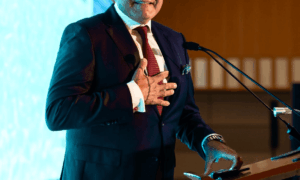
Fabian Wigger is only 22, but he’s already led teams, created systems for quick digital businesses, and worked with clients all over the world. What makes him stand out isn’t just what he’s done, but how he thinks.
Fabian doesn’t only think about numbers; he talks about being clear, patient, and planning for the long haul. He believes leadership isn’t about reacting quickly, but about knowing what’s important and making calm choices, even when things feel crazy.
Fabian says one of the first things he learned about leadership was how to handle stress.
“When things feel pressing, most people freak out, he says. “But freaking out usually makes things worse.”
Early on, he noticed people would try to fix problems super fast, without even asking what the problem was. Fabian did things differently. He trained himself to stop, take a breath, and look at things calmly.
That small change made a big difference.
By slowing down, he saw things others didn’t. He found better answers. He avoided mistakes that could have cost time, money, or trust. Over time, it became a key part of how he leads.
Fabian also learned early on that growing too fast can be risky if you don’t have a good base.
He went through what many founders do: fast growth, lots of demand, more clients, and more responsibility – practically overnight. At first, it felt great. But soon, things started to fall apart.
Some clients were confused.
Some systems stopped working right.
Some people felt stressed out.
Instead of ignoring the issues, Fabian learned from them. He realized growth isn’t only about speed, it’s about being steady.
From then on, he started focusing on building a solid base. He worked on making onboarding clearer, improving follow-up, and helping teams share info better. He wanted to make things less confusing and more clear.
Fabian thinks systems aren’t about control; they’re about freedom.
When people know what to do, they feel calmer.
When clients know what to expect, they feel secure.
When teams know their jobs, they do better.
This change helped make growth more stable and rebuilt trust.
Fabian is also known for believing in making things personal. He doesn’t think one size fits all.
“People are different,” he says. “So why would they want the same thing?”
He noticed many businesses use the same templates, messages, and rules for everyone. But people aren’t all the same. Some clients need more time, some want things faster, some want a lot of details, and others want things simple.
Instead of making everyone fit into the same system, Fabian trained his teams to listen, ask good questions, and understand who they were working with.
This helped him build stronger trust and lasting relationships.
His experience working internationally also changed how he leads.
When he lived in Europe, he mostly worked with clients in the U.S. This created a problem many founders face: different time zones.
Instead of seeing it as a problem, Fabian used it to his advantage. He changed his schedule to match U.S. hours. He answered when others didn’t. He stayed available when others weren’t.
This really helped.
Clients felt heard.
They felt respected.
They felt like a priority.
Over time, it became a big advantage.
Fabian admits it wasn’t easy. Living on a different schedule was tiring, and he doesn’t recommend it for the long run. But he learned that leadership sometimes means doing what others won’t, not what’s easy.
Fabian also believes leadership isn’t about control, it’s about trust.
He doesn’t see employees as tools, but as people. He wants them to ask questions. He’s okay with mistakes, because he knows they’re part of learning.
“If people are scared to fail, they stop trying,” he says.
This helped him create a culture of growth instead of fear. Teams felt safe to try out new things, learn, and improve. Over time, it led to better results – not because of stress, but because of confidence.
Fabian also talks a lot about relationships in business.
He thinks networking isn’t just about collecting business cards, it’s about making real with people. He remembers small details, checks in just to say hello, and helps others before asking for anything.
That’s why many of his business relationships turned into lasting friendships.
He believes long-term success is based on trust, not just deals.
Language also played a big part in his life. Fabian taught himself Spanish over three years, not to show off, but to connect with people. It allowed him to work in markets, learn about different cultures, and build better relationships.
He thinks language isn’t just a skill, it’s a way to connect.
People often ask Fabian how he became so confident at a young age. He says it’s simple: by doing things over and over.
He learned by doing.
He failed.
He fixed things.
He tried again.
Each mistake taught him something, and each challenge made him stronger. He believes confidence doesn’t come first; action does, and confidence will follow.
Now, Fabian leads teams, manages big budgets, and creates systems for global clients to grow in the long term. But he doesn’t think he’s done learning.
He sees himself as always learning,
Improving.
Changing.
He’s now focused not just on building businesses that succeed, but on building systems that help people instead of wearing them out.
He believes future leaders need to be human – not like robots, or aggressive, or careless.
But thoughtful.
Strategic
Disciplined.
And kind.
Fabian’s story isn’t about being young, it’s about being on purpose. It’s about choosing patience, planning, and thinking long-term instead of panicking
For many young founders, he sends a clear message:
You don’t need to rush, you need to think.
You don’t need to copy, you need to build.
And you don’t need to be perfect, you just need to start.