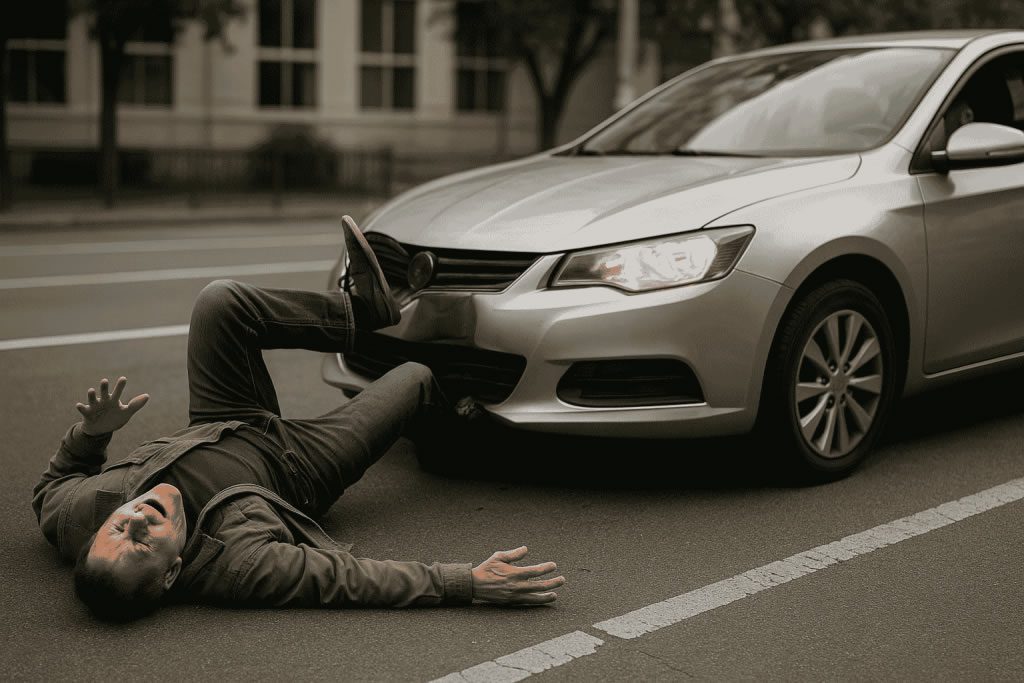
Being struck by a vehicle is one of the most frightening and life-altering experiences a person can face. Unlike drivers, pedestrians have no physical protection, making injuries more severe and recovery more complicated. Beyond the physical pain, victims often deal with emotional distress, medical bills, lost income, and long-term uncertainty. Understanding your rights and the steps you should take after an accident can make a significant difference in how well you recover—physically, emotionally, and financially.
This guide explains what happens after a pedestrian accident, why legal guidance matters, and how informed decisions can protect your future.
Why Legal Guidance Matters After a Pedestrian Accident
Pedestrian accidents are not just traffic incidents—they are complex legal events. Liability, insurance policies, medical documentation, and local traffic laws all play a role in determining what happens next.
This is where speaking with a pedestrian accident lawyer can help you understand your options and rights. Their role is not to sell you anything but to educate you on what the law allows, what steps you can take, and how to avoid mistakes that could weaken your case later.
Many people unknowingly say or sign things that reduce their compensation. Others miss important deadlines or fail to collect crucial evidence. Legal guidance can prevent these costly errors.
Common Causes of Pedestrian Accidents
Understanding how pedestrian accidents happen helps clarify why they are rarely as simple as they seem.
Some of the most common causes include:
- Distracted driving (texting, navigation use, eating)
- Speeding in residential or school zones
- Failure to yield at crosswalks
- Running red lights or stop signs
- Driving under the influence
- Poor visibility due to weather or low lighting
- Unsafe turns at intersections
While drivers often claim they “didn’t see” the pedestrian, that alone does not excuse negligence. Traffic laws generally prioritize pedestrian safety, especially at crosswalks and intersections.
The Real Impact of Pedestrian Injuries
Pedestrian injuries tend to be more severe than those from car-to-car accidents. Without the protection of a vehicle frame, the human body absorbs the full force of impact.
Common injuries include:
- Traumatic brain injuries (TBI)
- Spinal cord damage
- Broken bones
- Internal organ injuries
- Severe bruising and soft tissue damage
- Psychological trauma (PTSD, anxiety)
These injuries can affect a person’s ability to work, socialize, and live independently. Recovery may take months or even years—and some injuries never fully heal.
What to Do Immediately After Being Hit
The actions you take after an accident can influence your physical recovery and legal standing.
Here’s what experts recommend:
- Seek medical care immediately – Even if injuries seem minor, internal damage can go unnoticed.
- Call the police – A police report creates an official record of the incident.
- Collect evidence – Photos, witness names, traffic signals, and vehicle positions matter.
- Avoid admitting fault – Even casual statements can be misinterpreted.
- Keep all records – Medical reports, prescriptions, and expenses should be saved.
Many people focus only on their physical injuries and overlook documentation. Unfortunately, missing records can weaken your ability to prove what really happened.
Understanding Fault and Liability
One of the most misunderstood aspects of pedestrian accidents is fault.
Fault is not always obvious. For example:
- A driver may claim the pedestrian “walked out suddenly.”
- A pedestrian may assume they were at fault for not using a crosswalk.
- A city may be partially responsible due to poor signage or malfunctioning signals.
Liability can involve:
- The driver
- A vehicle manufacturer
- A local government
- A third-party contractor
Sorting this out requires careful review of laws, surveillance footage, witness statements, and accident reconstruction.
Why Insurance Companies Complicate Things
Insurance companies are businesses. Their goal is to minimize payouts, not necessarily to ensure fairness.
Common tactics include:
- Offering quick settlements before full injuries are known
- Downplaying the seriousness of injuries
- Suggesting the pedestrian was at fault
- Requesting recorded statements that can be used against you
Many victims accept early settlements without realizing they are waiving future compensation—even if complications arise later.
Long-Term Costs Are Often Overlooked
A pedestrian accident can affect more than just the next few months.
Long-term costs may include:
- Ongoing physical therapy
- Mobility aids or home modifications
- Mental health treatment
- Lost career opportunities
- Reduced earning potential
- Chronic pain management
Without considering these factors, victims often settle for far less than what their recovery actually costs.
The Emotional Side of Pedestrian Accidents
Physical injuries heal, but emotional trauma can linger.
Many survivors report:
- Fear of crossing streets
- Anxiety near traffic
- Nightmares or flashbacks
- Depression due to lifestyle changes
These emotional impacts are real and should not be dismissed. Mental health treatment is often a necessary part of recovery.
When Should You Seek Legal Advice?
You don’t need to wait until problems arise. In fact, the earlier you seek legal guidance, the more protected you are.
You should consider legal advice if:
- You were hospitalized or seriously injured
- Fault is being disputed
- You’re being pressured to settle quickly
- You’re missing work due to injuries
- Your injuries may cause long-term issues
Early guidance helps prevent mistakes that can’t be undone.
Final Thoughts
Being hit by a vehicle is a traumatic experience that affects every part of life—health, finances, and emotional well-being. While medical treatment is essential, understanding your legal rights is just as important.
Education empowers victims. When you know what to expect, what mistakes to avoid, and how the process works, you’re far better equipped to make decisions that protect your future.
Frequently Asked Questions (FAQs)
- What should I do if I feel fine after being hit by a vehicle?
Even if you feel okay, you should still seek medical attention immediately. Some injuries, such as internal bleeding, concussions, or soft tissue damage, may not show symptoms right away. Delaying treatment can make injuries worse and complicate both recovery and documentation. - Can I still take action if I wasn’t in a crosswalk?
Yes. While crosswalks provide pedestrians with specific legal protections, being outside a crosswalk does not automatically make you at fault. Drivers are still required to exercise caution and avoid collisions whenever possible. Each case depends on the specific circumstances. - How long do I have to take legal action after a pedestrian accident?
Time limits vary depending on your location and the details of the incident. These deadlines, known as statutes of limitations, can range from months to a few years. Missing this window could permanently prevent you from seeking compensation. - What types of compensation are typically available to injured pedestrians?
Compensation may cover medical bills, lost wages, future treatment, rehabilitation, emotional distress, and reduced quality of life. In severe cases, long-term care and disability-related expenses may also be considered. - Why do insurance companies often offer quick settlements?
Quick settlements are usually designed to close the case before the full extent of injuries is known. Once you accept an offer, you typically cannot request more money later—even if your condition worsens. This is why understanding the long-term impact of injuries is critical before agreeing to anything.