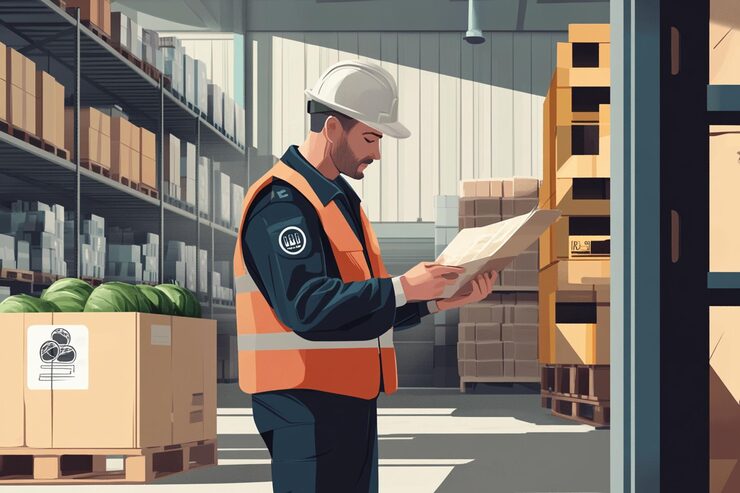
Many site leaders overlook hidden risks inside warehouse environments. Fine dust, chemical film, and debris can remain unnoticed for extended periods. When these issues go unaddressed, facilities face compliance gaps during audits or inspections, and operations can be interrupted with little notice. In regulated environments such as food-grade, pharmaceutical, and industrial warehouses, overlooked contamination can trigger corrective actions quickly.
Facilities across Metro Atlanta operate under strict expectations. When hidden contaminants are not identified and addressed early, compliance exposure increases. These risks can surface during routine inspections and affect daily workflow. Hidden buildup often creates compliance failures long before visible signs appear on the floor.
Unseen Contaminants Threaten Compliance Standards
Dust and residue accumulate in areas that are rarely inspected. High rafters, ductwork, rack tops, and equipment housings collect fine particulate matter over time. Small particles settle on surfaces that require elevated access and specialized tools to reach. Without targeted attention, these areas become ongoing compliance risks.
This is where industrial warehouse cleaning in Atlanta plays a critical role. Industrial facilities depend on cleaning programs designed to address hidden zones rather than surface-level appearance alone. In regulated environments, even trace contamination left behind on equipment components can lead to audit findings.
- Overhead and structural buildup: Fine dust accumulates on beams, lighting, and ventilation areas that are often overlooked during routine cleaning.
- Equipment surface residue: Racks, conveyors, and machinery housings collect debris that can transfer contaminants into active work areas.
- Restricted access zones: Crawlspaces, duct corners, and elevated platforms require specialized access to inspect and clean properly.
When these areas are not addressed consistently, compliance risks increase for warehouses operating throughout Metro Atlanta.
Professional Cleaning Mitigates Hidden Risks
Structured industrial cleaning reduces exposure by addressing areas that internal teams may not have the tools or time to manage fully.
- Compliance-driven procedures: Industrial cleaning crews follow site-specific protocols aligned with OSHA, FDA, and ISO expectations to reduce contamination risk.
- Advanced equipment and methods: Specialized tools remove dust, grease, and residue that standard cleaning equipment cannot reach or control.
- Reduced workplace hazards: Proper handling of cleaning agents and controlled methods lowers exposure to slick surfaces, airborne dust, and chemical residue.
- Operational efficiency support: Consistent cleaning helps preserve flooring, equipment condition, and workflow continuity, reducing slowdowns caused by buildup.
Professional programs focus on prevention rather than reactive cleanup, supporting long-term compliance stability.
Atlanta Services Ensure Warehouse Sanitation
Warehouse sanitation in Metro Atlanta requires more than visible cleanliness. Hidden contaminants can still place facilities at risk during inspections and disrupt safe operations.
- Specialized industrial cleaning: Industrial teams focus on contamination risks that general cleaning methods frequently miss.
- Audit-ready protocols: Cleaning processes follow documented procedures that support inspection readiness and clear recordkeeping.
- Food-grade sanitation solutions: Facilities storing food products require cleaning steps that support allergen control and contamination prevention.
- Reliable support during staffing shortages: Consistent cleaning coverage helps prevent lapses when internal labor resources are stretched.
- Emergency response availability: Rapid response following spills or contamination events helps limit the spread and restore controlled conditions.
Facilities that maintain disciplined sanitation practices reduce audit pressure and maintain operational control.
Hidden contaminants pose real compliance risks. Dust, residue, and chemical traces can remain undetected until inspections uncover them, leading to fines and operational disruption across Metro Atlanta warehouses. Warehouse Cleaning Atlanta helps facilities stay ahead through OSHA-aligned, targeted industrial cleaning services.
Our trained crews apply site-specific protocols designed for regulated warehouse environments. By identifying hidden hazards and addressing them proactively, facilities reduce downtime and strengthen inspection outcomes. Working with experienced industrial teams supports safer operations, fewer interruptions, and consistent audit readiness.
For facilities evaluating commercial cleaning companies Atlanta businesses rely on for regulated environments, Warehouse Cleaning Atlanta provides compliance-first support built for industrial operations.