Choosing Heavy Towing for a Large Vehicle
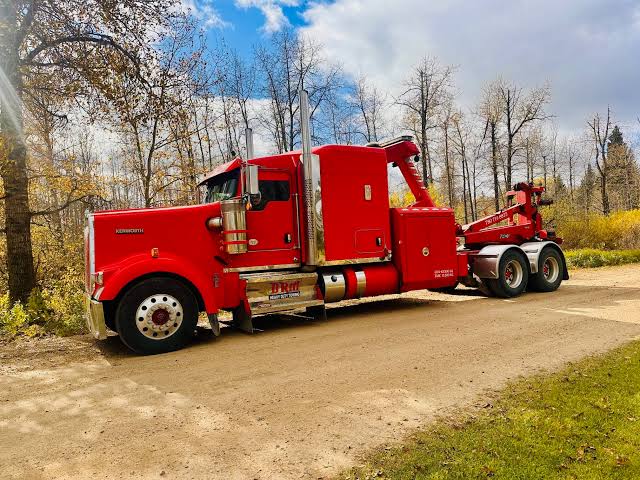
A search for Heavy towing Denver usually starts when a commercial vehicle can no longer move safely. You might have a disabled semi on I-25, a tractor-trailer problem near I-70, or construction equipment stuck at a job site. Rocky Mountain Towing & Recovery says its Denver heavy-duty service handles Class 7 and Class 8 vehicles with heavy wreckers, rotators, winches, and transport equipment. Therefore, your first question should be whether the provider can handle your vehicle’s size and condition. A standard tow truck may not have the lifting capacity or recovery equipment required for a large commercial unit.
A Brief Company History and Service Focus
Rocky Mountain Towing & Recovery states that it has served local communities for more than 25 years and operates as a family-owned company. Its present service mix includes heavy towing, heavy recovery, heavy equipment hauling, cargo services, and mobile diesel repair. The company also says it serves professional customers such as fleet operators and owner-operators. This history and service focus matter because commercial towing often involves more than moving a broken truck. A driver may need a roadside repair, load correction, equipment recovery, or transport to a repair facility. Having several related services can make the response more useful when the original problem changes at the scene.
Five Details to Prepare Before Calling
When you search for Heavy duty towing Denver, be ready to explain what happened instead of giving only your location. Rocky Mountain Towing’s Denver service covers semi trucks, tractor-trailers, dump trucks, buses, RVs, and other heavy-duty vehicles.
- State the exact road, direction, exit, or mile marker.
- Identify the truck, trailer, or equipment involved.
- Tell the dispatcher if the vehicle carries cargo.
- Explain whether the vehicle is damaged, stuck, overturned, or simply disabled.
- Provide your preferred repair shop, yard, or destination if known.
A detailed first call gives the dispatcher a much clearer picture of the equipment and personnel that may be required.
Why Denver Conditions Affect Recovery
Denver recovery work can change quickly because traffic, weather, road grades, and job-site access all affect how a heavy vehicle can be moved. Rocky Mountain Towing specifically mentions service along I-25, I-70, I-76, E-470, freight areas, and airport corridors. A breakdown on a wide industrial lot is very different from a disabled semi beside a busy interstate. That’s why your exact position matters. If you’re near a frontage road, truck stop, warehouse, or interchange, mention it. In my view, good location information is one of the easiest ways for a driver to make a difficult towing call more efficient.
Heavy Jobs That Need Specialized Equipment
Not every heavy-duty call involves the same type of work. Rocky Mountain Towing lists tractor-trailer towing, heavy equipment recovery, winch-outs, rollovers, load services, and off-road recovery among its capabilities. Common jobs include:
- Semi-truck breakdowns
- Jackknifed tractor-trailers
- Overturned trailers
- Heavy equipment stuck at a work site
- Winch-outs from mud or uneven ground
- Load shift correction
- Cargo recovery
- Construction machinery transportation
The equipment can range from heavy wreckers and winches to rotators, Landoll trailers, lowboys, and other specialized recovery tools.
When Cargo Becomes Part of the Problem
A damaged truck isn’t always the only concern. A shifted or unstable load can make towing unsafe until the cargo receives attention. Rocky Mountain Towing provides load shift correction, load transfers, decking and undecking, cargo recovery, and related services in Denver. If your trailer has shifted freight, tell the dispatcher before the tow begins. A heavy recovery team may need to stabilize the trailer, redistribute cargo, or transfer the load before transportation. That extra step can protect both the equipment and the freight. It also helps prevent a simple breakdown from turning into a larger roadside problem.
Heavy Equipment Hauling Needs Planning
Moving a large machine requires more thought than towing an ordinary truck. Rocky Mountain Towing says it uses rotators, heavy wreckers, Landoll trailers, lowboys, and specialized rigging for heavy equipment hauling. Its listed equipment includes excavators, skid steers, boom lifts, forklifts, HVAC units, generators, and other industrial assets. One hands-on detail you notice during equipment transport is how carefully the operator considers the machine’s weight distribution. Attachments, tracks, buckets, and raised components can change the load dramatically. Good preparation starts before loading and continues through securement and final transport.
Why the Cheapest Tow Isn’t Always the Best Choice
Price matters, but heavy towing should also be judged by equipment, experience, response process, and the type of recovery offered. Rocky Mountain Towing says its heavy-duty vehicles are inspected before hookup and secured using heavy-duty rigging, with documentation for transport. That doesn’t mean every difficult recovery will be quick or inexpensive. An overturned trailer, shifted load, or machine buried in mud can require extra workers, equipment, and time. That’s the honest limitation. Before approving service, ask what the recovery involves and what could change the cost or timing once the operator reaches the scene.
Final Words
Heavy towing becomes much easier to manage when you prepare the right information before making the call. Tell the dispatcher where you are, what vehicle or machine you have, whether it’s loaded, and exactly what went wrong. Then ask whether the available equipment fits the recovery rather than focusing only on price. Denver has major freight corridors, industrial areas, and changing road conditions, so each heavy recovery can look different. A provider with wreckers, rotators, winches, hauling trailers, and cargo support has several tools available when the job becomes complicated. Clear communication remains your best first step.
FAQ
- What vehicles can heavy towing handle?
Heavy towing can cover semis, tractor-trailers, dump trucks, buses, RVs, utility vehicles, and other large commercial units. - What is the difference between towing and recovery?
Towing moves a vehicle, while recovery may involve winching, lifting, stabilization, or extracting a vehicle from a difficult position. - Can heavy towing handle shifted cargo?
Yes. Specialized services can include load shift correction, load transfers, decking, undecking, and cargo recovery. - Can heavy equipment be transported in Denver?
Yes. Heavy equipment hauling can involve machinery such as excavators, skid steers, forklifts, boom lifts, and industrial equipment. - Does heavy towing operate 24/7?
Rocky Mountain Towing & Recovery states that its heavy towing and recovery services operate 24 hours a day, seven days a week.