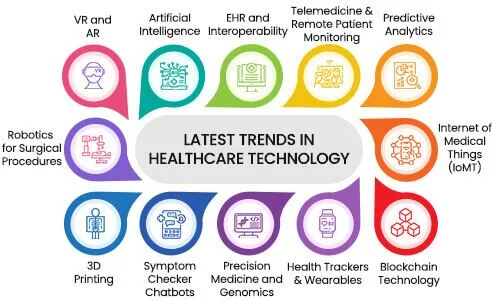
Telehealth has emerged as one of the most impactful applications of health tech, transforming the way healthcare services are delivered and consumed. By combining digital technologies, internet connectivity, and remote monitoring tools, telehealth enables patients to access medical care without visiting traditional healthcare facilities. This shift has significant implications for healthcare providers, businesses, and the broader health tech industry.
Telehealth solutions are not only improving access to care but are also creating new business models that emphasize efficiency, cost-effectiveness, and patient engagement. Companies that invest in telehealth technologies gain a competitive advantage while contributing to the modernization of healthcare systems.
Understanding Telehealth in Health Tech
Telehealth refers to the delivery of healthcare services and information through digital communication technologies. This includes video consultations, remote patient monitoring, mobile health applications, and virtual health platforms.
Health tech innovations in telehealth enable healthcare providers to reach patients in remote or underserved areas, monitor chronic conditions, and provide timely interventions. Businesses adopting telehealth solutions benefit from operational efficiency, reduced costs, and enhanced patient satisfaction.
Key Applications of Telehealth
Remote Patient Consultations
Telehealth platforms facilitate virtual consultations between patients and healthcare professionals. This approach reduces travel time, minimizes exposure to contagious diseases, and ensures timely access to medical advice.
Healthcare providers can leverage telehealth to expand their reach, serve more patients, and maintain continuity of care. Companies offering secure, user-friendly telehealth solutions are gaining market traction globally.
Chronic Disease Management
Patients with chronic conditions such as diabetes, hypertension, or heart disease can benefit from remote monitoring through connected devices and mobile applications. Health tech solutions track vital signs, medication adherence, and lifestyle factors, allowing healthcare providers to intervene early and prevent complications.
Chronic disease management via telehealth improves patient outcomes while reducing hospital admissions and associated healthcare costs.
Mental Health Services
Telehealth has proven particularly effective in providing mental health services. Virtual counseling, therapy sessions, and mental wellness programs are now accessible to patients in a convenient and confidential manner.
Companies developing digital mental health platforms are experiencing growth as demand for remote psychological support continues to rise.
Telepharmacy and Remote Prescriptions
Telehealth solutions extend to pharmacy services, enabling remote consultations with pharmacists, prescription management, and medication delivery. This enhances patient convenience and supports adherence to treatment plans.
Corporate Health Programs
Businesses are integrating telehealth into employee wellness programs to support workforce health and productivity. Telehealth services provide employees with remote consultations, health monitoring, and preventive care, reducing absenteeism and improving engagement.
Business Advantages of Telehealth
Expanded Market Reach
Telehealth removes geographical barriers, allowing healthcare providers and health tech companies to serve patients in remote and underserved regions. This expansion drives revenue growth and market penetration.
Cost Efficiency
Remote consultations and monitoring reduce operational costs, minimize hospital visits, and optimize resource allocation. Companies and healthcare providers save on infrastructure, staffing, and administrative expenses.
Improved Patient Engagement
Telehealth solutions increase patient engagement by providing convenient access, personalized care, and continuous monitoring. Engaged patients are more likely to adhere to treatment plans and achieve positive health outcomes.
Data-Driven Insights
Telehealth platforms generate valuable data on patient behavior, treatment adherence, and clinical outcomes. Businesses can use these insights to improve service offerings, optimize operations, and support research initiatives.
Competitive Differentiation
Healthcare providers and health tech companies offering telehealth services differentiate themselves in a competitive market. Innovative digital solutions enhance brand reputation and attract new patients or corporate clients.
Challenges in Telehealth Implementation
Regulatory and Licensing Requirements
Telehealth services must comply with local and international regulations governing medical practice, data privacy, and telecommunication standards. Navigating these requirements is critical for successful deployment.
Technology Integration
Integrating telehealth platforms with existing electronic health records, hospital management systems, and digital tools can be complex. Seamless interoperability is essential for effective service delivery.
Digital Literacy and Access
Patient adoption of telehealth depends on digital literacy, internet access, and familiarity with technology. Companies must provide education, support, and user-friendly interfaces to overcome these barriers.
Data Security and Privacy
Handling sensitive health data requires robust security measures to prevent breaches and maintain patient trust. Telehealth providers must implement encryption, authentication, and compliance protocols.
Investment Opportunities in Telehealth
Startup Funding
Telehealth startups offering innovative solutions in virtual consultations, remote monitoring, and mental health services attract significant venture capital and private equity investment.
Strategic Partnerships
Healthcare providers, insurers, and corporate wellness programs are partnering with telehealth companies to expand services and integrate digital solutions.
Global Expansion
Telehealth platforms can be scaled internationally, providing access to emerging markets with limited healthcare infrastructure.
Technology Integration and SaaS Models
Software-as-a-Service (SaaS) telehealth solutions provide recurring revenue models and enable businesses to offer scalable, subscription-based healthcare services.
Future Outlook
Telehealth will continue to expand as an integral part of health tech solutions, driven by:
- Growing demand for remote healthcare and virtual consultations.
- Integration of AI for diagnostics, patient triage, and predictive care.
- Expansion of wearable and IoT devices for continuous monitoring.
- Increased corporate adoption in employee wellness programs.
- Development of secure, interoperable platforms that comply with evolving regulations.
Companies embracing telehealth are positioned for sustainable growth, operational efficiency, and enhanced patient outcomes.
Conclusion
Telehealth represents a transformative force in the health tech industry, redefining how healthcare is delivered and managed. By enabling remote consultations, chronic disease management, mental health support, and corporate wellness services, telehealth improves accessibility, efficiency, and patient engagement.
While challenges related to regulation, technology integration, and digital literacy exist, the business advantages of telehealth adoption are substantial. Companies that strategically invest in telehealth platforms and integrate them into their operations gain a competitive edge, increase revenue potential, and contribute to the modernization of healthcare delivery.
Health tech and telehealth together are driving a new era of healthcare business models, making care more accessible, data-driven, and patient-centered worldwide.