
Guide to Maritime Law & International Maritime Law Courses

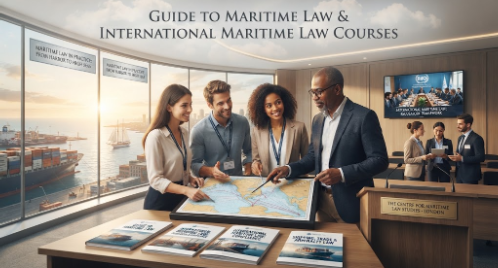
The global economy relies heavily on ocean transport. More than eighty percent of international trade moves across oceans and seas, making maritime logistics the backbone of modern commerce. This complex network of global shipping operates under a specialized set of legal principles designed to regulate sea trade, protect ecosystems, and maintain safety standards. Understanding maritime law is essential for shipping companies, insurers, logistics managers, and legal professionals who navigate the complexities of international waters.
What Is Maritime Law?
Maritime law, also known as admiralty law, governs human activity and commercial operations at sea. It covers a vast range of legal issues, including shipping contracts, marine insurance, cargo claims, vessel registration, environmental protection, and maritime accidents. Unlike land-based laws that apply within a single nation’s borders, ocean governance requires legal frameworks that function seamlessly across multiple jurisdictions.
Shipowners, operators, and charterers must comply with both national regulations and international conventions. These rules help resolve disputes over damaged goods, vessel collisions, salvage operations, and crew safety rights. Without structured legal agreements, global supply chains would face constant disruption, rising financial risks, and unpredictable legal battles.
Key Pillars of Maritime Legal Frameworks
The legal principles governing global shipping rest on several foundational pillars that keep the industry functioning smoothly:
- Maritime Contracts and Charterparties: Commercial shipping depends on clear contracts that define the rights and duties of cargo owners, vessel charterers, and ship operators. Terms regarding freight rates, laytime, and liability limits must be precisely drafted to avoid expensive litigation.
- Marine Insurance and Risk Management: Shipping operations face distinct hazards, including extreme weather, piracy, and equipment failures. Marine insurance covers vessels, cargo, and third-party liabilities. Understanding how claims are settled helps companies protect assets against massive operational losses.
- International Regulatory Compliance: Global agencies establish mandatory safety, environmental, and labor standards. Vessel operators must adhere to strict guidelines governing marine pollution prevention, vessel safety inspections, and labor conditions for seafarers on international voyages.
- Dispute Resolution and Arbitration: When disputes arise between international parties, resolving them in domestic courts can be difficult. Maritime arbitration offers a specialized mechanism for resolving commercial conflicts efficiently and impartially under international rules.
Why Pursue Maritime Law Education?
As international trade expands, the demand for qualified experts in shipping law continues to grow. Industry standards change rapidly due to new environmental regulations, geopolitical shifts, and technological advancements like automated ships and digital bill of lading systems.
Enrolling in specialized international maritime law courses equips professionals with deep knowledge of international treaties, risk mitigation techniques, and commercial dispute resolution. These structured programs cover real-world case studies, helping students understand how international tribunals handle maritime claims, how legal teams negotiate complex shipping agreements, and how companies manage regulatory changes.
Key Benefits of Professional Legal Training
- Gain Comprehensive Knowledge: Learn how international conventions apply to chartering, cargo loss, environmental liability, and vessel financing.
- Advance Your Career: Build specialized skills that open professional doors in shipping firms, insurance companies, port authorities, and law practices.
- Mitigate Corporate Risk: Help organizations maintain full compliance with evolving environmental standards and maritime security laws.
- Master Commercial Negotiations: Develop the expertise required to draft bulletproof contracts and minimize operational vulnerabilities.
Conclusion
Navigating the ocean trade landscape requires more than practical logistics knowledge. It demands a thorough grasp of the legal standards that protect vessel owners, charterers, cargo interests, and maritime workers worldwide. As global supply chains grow more interconnected, staying updated on international legal standards becomes a major strategic advantage. By taking comprehensive educational programs, professionals gain the practical insights needed to manage legal risks, ensure compliance, and lead with confidence in the maritime industry.







Comment