
Gravity Water Filtration for Everyday Drinking Water Needs

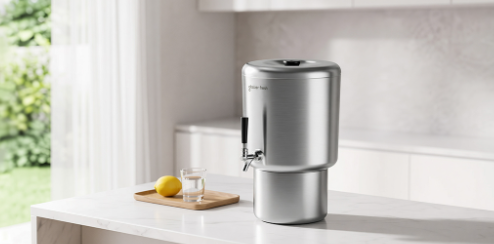
Drinking water is part of nearly every household routine. People use it to stay hydrated, prepare tea and coffee, fill reusable bottles, and support daily cooking. When the taste or quality of tap water raises concerns, a suitable filtration method may help address specific issues. Gravity filtration provides a simple option for households seeking convenient access to filtered water.
How Gravity Filtration Fits into Daily Life
Gravity filtration systems generally use an upper chamber for untreated water and a lower chamber for collecting filtered water. Once water is added, gravity moves it through the filtration elements without requiring an electric pump.
This arrangement makes a gravity water filter system convenient for countertop use. Depending on the model, users can prepare a reservoir of water in advance and dispense it throughout the day. The system can be particularly useful for households that prefer a dedicated water station in the kitchen.
Because filtration takes place gradually, users should allow enough time for the water to pass through the filter. Filling the upper chamber beyond the recommended level or expecting instant results may lead to inconvenience.
Supporting Household Hydration Routines
Having drinking water readily available can make everyday hydration easier to manage. A countertop reservoir allows family members to fill glasses and reusable bottles without repeatedly turning on a tap or refilling a small container.
Capacity should match the number of people using the system. Larger households may benefit from a model with a bigger storage chamber, while smaller households might prefer a compact unit that takes up less counter space.
Other practical details include the height of the unit, the position of the tap, ease of refilling, and access to the chambers for cleaning. These small considerations can make a noticeable difference in everyday use.
Understanding the Role of Filter Media
Different filtration technologies serve different purposes. Some filter materials trap particles, while others may reduce certain substances through adsorption or other treatment mechanisms. A system may combine several types of media to achieve its stated results.
However, the phrase “filtered water” does not mean that every possible contaminant has been removed. A gravity fed water filter should be evaluated against the specific substances it has been tested to reduce. Buyers should review manufacturer documentation and relevant independent certifications rather than relying on broad marketing language.
For example, a filter intended to improve taste and odor may not be designed to address microbiological contamination. Likewise, removing particles does not automatically mean dissolved chemicals have been removed.
Selecting a System for Your Household
Before purchasing a filter, consider the source of your water and any known quality concerns. Public water suppliers often publish water-quality reports, while private well owners may need periodic laboratory testing.
Once you understand your water needs, compare filter performance, capacity, replacement costs, and availability of compatible components. It is also helpful to review the manufacturer’s instructions for installation, cleaning, and routine maintenance.
A system that is suitable for one household may not be the right choice for another. Water quality, daily consumption, available space, and budget all influence the decision.
Maintenance for Better Everyday Performance
Routine maintenance helps preserve the system’s intended function. Clean the chambers and dispensing components as directed, inspect seals and connections, and replace the filter elements according to the manufacturer’s schedule.
Do not assume that a filter is still effective simply because water continues to pass through it. Some contaminants cannot be detected by smell, taste, or appearance. Following the recommended replacement schedule is therefore more reliable than judging the filter by appearance alone.
Store and handle water appropriately to reduce the risk of contamination after gravity fed water filter. A clean reservoir and dispensing tap are just as important as maintaining the filter elements themselves.
Gravity Filtration and Emergency Planning
A gravity-based system may offer additional convenience during a power outage because it does not need electricity to move water through the filter. This can be useful as part of a broader household preparedness plan.
Nevertheless, emergency water safety depends on the source and the type of contamination involved. Follow local public-health instructions and maintain a supply of safe drinking water for situations in which your usual source cannot be used.
Conclusion
Gravity filtration can simplify everyday access to drinking water by combining a straightforward filtration process with convenient storage. A gravity water filter system may suit households that want a countertop option without electrical power, provided the product is appropriate for their water source.
Choosing a gravity fed water filter requires more than comparing appearance or price. Check verified filtration claims, reservoir size, maintenance instructions, and replacement costs to select a system that fits your daily needs.






Comment