Graded Trading Cards Are Becoming Alternative Assets
The market for graded trading cards has evolved beyond traditional collecting. Increasingly, investors are viewing high-quality cards as alternative assets alongside other collectibles, with structured resale markets, auction records, pricing data, and new ownership models creating greater transparency.
As the market matures, however, buying a valuable card is only one part of the investment process. Proper due diligence also involves understanding how the card will be stored and protected over time.
For a graded trading card, that includes protecting the slab itself.
Why the Grading Slab Matters
Professional grading provides collectors and investors with an independent assessment of a card’s condition and authenticity. Once graded, the card is sealed inside a protective plastic holder, commonly called a slab.
The slab provides important physical protection, but it is not immune to damage. Scratches, scuffs, surface wear, and other cosmetic issues can develop when slabs are stored improperly or handled frequently.
Although damage to the holder may not change the card’s official grade, it can affect how the collectible is perceived by prospective buyers.
Resale Value Depends on More Than the Grade
A high grade can be an important factor in determining the market value of a trading card. Yet investors should not assume that the grade is the only consideration when preparing an asset for resale.
Buyers may also evaluate:
- The card’s authenticity and grading history
- The reputation of the grading company
- Recent comparable sales
- The condition of the graded holder
- The quality of storage and presentation
- Overall buyer confidence
A scratched or heavily worn slab can raise questions about how the card was handled and stored. In competitive resale markets, even relatively small concerns can influence negotiations.
Protecting the Slab Is Part of Due Diligence
Traditional investment due diligence often focuses on valuation, liquidity, market trends, and risk. For physical collectibles, preservation adds another layer to that process.
Collectors who intend to hold graded trading cards for several years should consider how their storage method protects both the card and its holder.
Keeping slabs loose in boxes or ordinary storage bins may expose them to unnecessary contact with other objects. Movement during transportation can also create opportunities for scratches and surface damage.
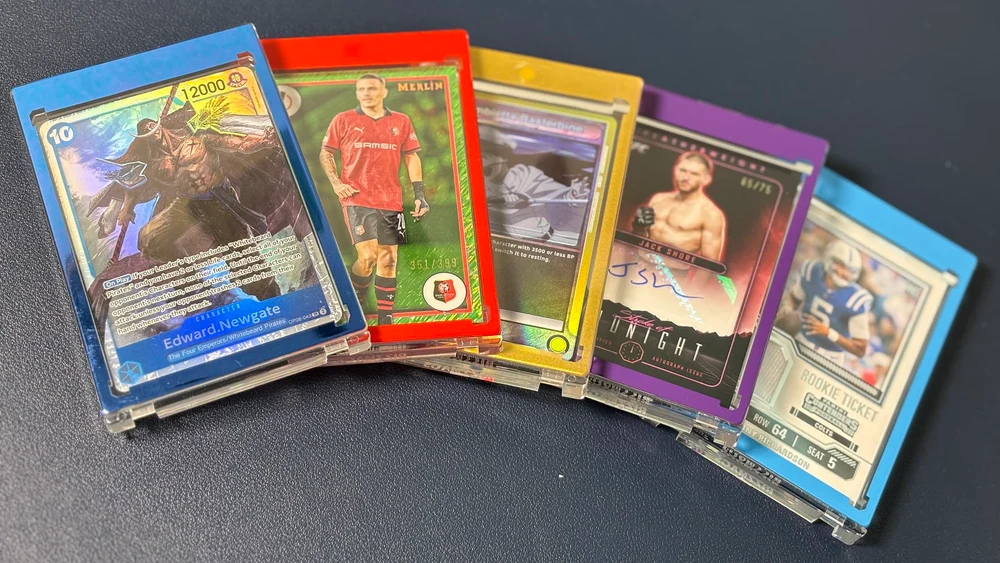
A dedicated slab case can provide a more secure solution for collectors who want organized, long-term storage for graded cards.
Why Serious Collectors Use Dedicated Storage
Dedicated storage is particularly relevant when a collection includes multiple valuable slabs. Instead of allowing holders to move around inside a general-purpose container, a purpose-built storage solution can help keep them protected and organized.
This becomes increasingly important as the financial value of a collection grows. Protecting a $50 collectible and protecting a $5,000 collectible may require very different approaches to storage and handling.
Some collectors also use graded card slab guards to add another layer of protection around the holder. Dragonscale Supplies is one source for collectors considering protective storage options.
The objective is not simply to make a collection look organized. It is to reduce avoidable physical wear that could affect presentation and buyer confidence later.
The Growing Importance of Collectibles in Alternative Investing
Trading cards are part of a broader trend in which collectibles are becoming more structured financial markets. Investors can increasingly find historical sales information, auction results, pricing data, and specialized marketplaces for individual categories.
Some collectibles have even entered fractional ownership models, allowing participants to gain exposure without purchasing an entire high-value asset themselves.
Greater financial participation naturally brings greater attention to due diligence. Investors want to understand not only what they are buying, but also how easily the asset can be authenticated, valued, stored, insured, and eventually sold.
Preservation Can Support Long-Term Liquidity
Liquidity is an important consideration for any alternative asset. A collectible may have a strong theoretical value, but finding a willing buyer at that valuation can depend heavily on trust and presentation.
For graded cards, a clean and well-maintained slab can make the asset easier for prospective buyers to evaluate. Conversely, visible damage to the holder may create unnecessary friction during a transaction.
This does not mean slab condition determines value on its own. Rather, it is one component of the overall presentation that investors should consider alongside the card’s grade, rarity, demand, and market history.
Storage Should Match the Investment Strategy
Not every collector has the same objectives. Someone buying inexpensive cards for enjoyment may have little reason to invest heavily in specialized storage.
For investors holding scarce, high-grade, or expensive cards for the long term, the calculation can be different. The cost of appropriate protection may be relatively small compared with the potential value of the collection being protected.
A sensible storage strategy should account for handling, transportation, environmental conditions, organization, and protection from unnecessary physical contact.
A Small Detail With Investment Implications
The growing market for graded trading cards illustrates an important principle in alternative investing: preserving an asset is part of managing the asset.
The grade printed on a slab may remain unchanged for years, but the condition of the holder can change much sooner if it is repeatedly exposed to scratches, impacts, or poor storage conditions.
As collectors increasingly approach trading cards with an investor mindset, details such as slab protection deserve a place in the due-diligence checklist.
Conclusion
Graded trading cards are developing into a more sophisticated alternative asset category, supported by increasingly organized resale markets, pricing information, and new approaches to collectible ownership.
With that evolution comes a more disciplined approach to preservation. Investors should look beyond the numerical grade and consider the condition in which the entire collectible will eventually reach its next buyer.
Using a dedicated slab case, along with appropriate protection such as graded card slab guards, can help minimize avoidable wear and maintain buyer confidence. In a market where trust, presentation, and liquidity matter, protecting the holder is a relatively simple part of a broader strategy for preserving collectible value.
FAQs
- Are graded trading cards considered alternative assets?
Yes. Graded trading cards are increasingly discussed alongside other collectibles as alternative assets because they can have established resale markets, measurable transaction histories, and investor demand. - Does a scratched slab reduce a card’s official grade?
Generally, cosmetic damage to the slab does not automatically change the grade assigned to the card. However, visible slab damage can influence buyer perception and resale negotiations. - Why use a dedicated slab case?
A dedicated slab case can help keep graded card holders organized and reduce unnecessary contact, movement, and scratching during storage or transportation. - Are graded card slab guards necessary?
They are not mandatory, but collectors holding valuable cards may use additional slab protection to reduce cosmetic wear and improve long-term storage. - What should investors consider besides a card’s grade?
Investors should also consider rarity, authenticity, market demand, recent comparable sales, grading-company reputation, liquidity, storage conditions, and the overall physical presentation of the collectible.