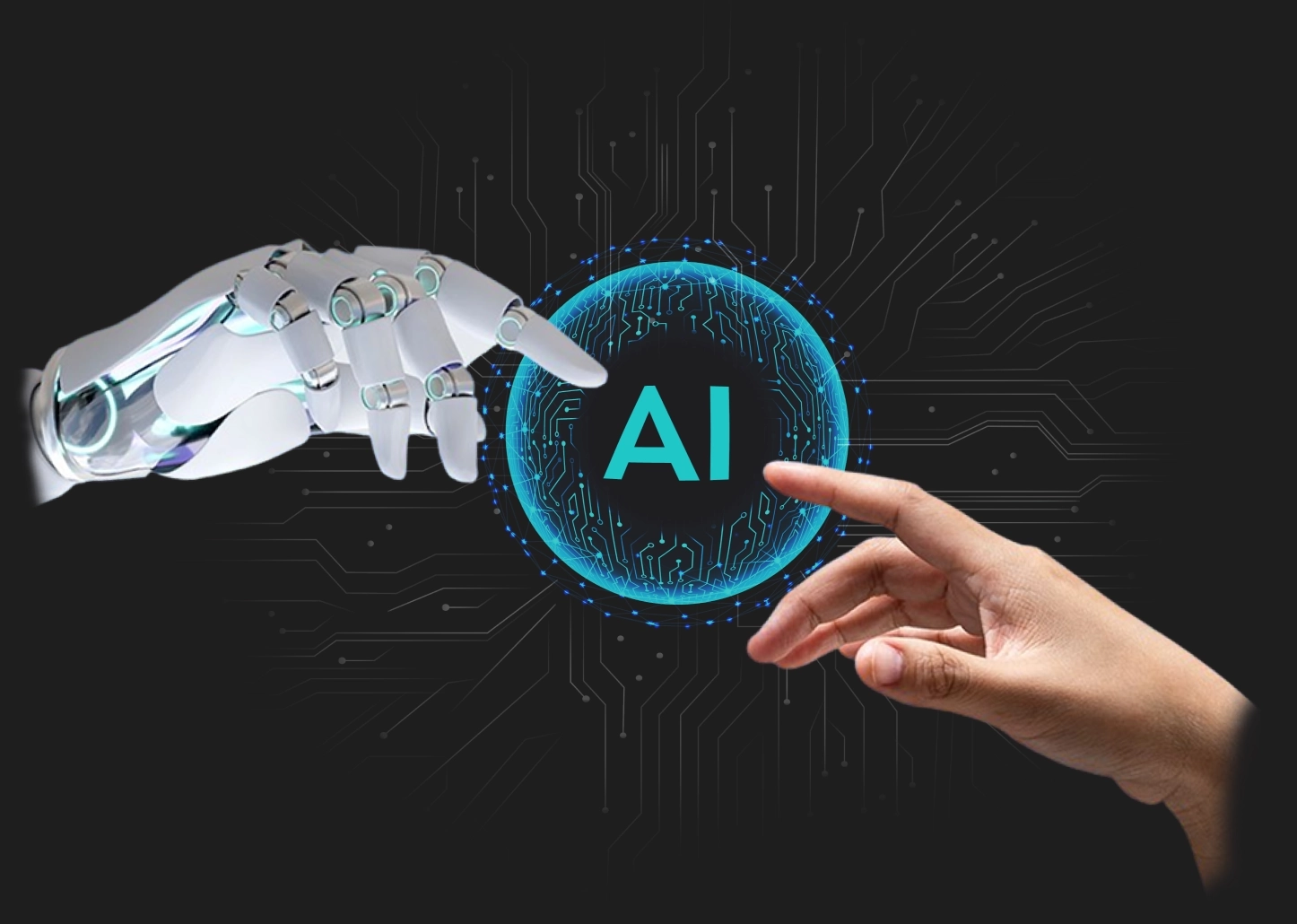
Generative AI is no longer a research concept reserved for tech giants. It is now a practical, revenue driving technology used by startups, enterprises, and digital first brands across industries. Businesses that adopt generative AI early gain a measurable edge in productivity, decision making, and customer engagement.
Generative AI development services help organisations design, build, and deploy AI systems that create content, code, insights, and predictions at scale. These services go beyond basic model access. They focus on real business problems, data integrity, security, and long term performance.
This guide explains what generative AI development services include, how they work, and why they are becoming a strategic priority for forward thinking companies.
What Are Generative AI Development Services?
Generative AI development services involve creating custom AI solutions that can generate human-like text, images, code, audio, or structured data based on training and real time inputs. These systems are built using advanced machine learning models, including large language models and multimodal AI architectures.
Unlike off the shelf AI tools, custom development aligns the technology with specific workflows, industry regulations, and user expectations. The result is an AI system that fits naturally into existing operations.
Key components typically include:
- AI model selection and fine tuning
- Data engineering and training pipelines
- Prompt engineering and optimisation
- API and system integration
- Security, compliance, and governance
- Performance monitoring and iteration
A senior AI architect recently shared, “The real value of generative AI appears when it is deeply embedded into business systems rather than treated as a standalone tool.”
From customer support automation to intelligent product design, generative AI development services focus on outcomes rather than experimentation.
Core Use Cases Driving Demand for Generative AI
Generative AI adoption is accelerating because it delivers immediate and measurable benefits across departments. While the technology is versatile, certain use cases consistently show strong returns on investment.
Intelligent Content Creation at Scale
Marketing and media teams use generative AI to produce high quality content faster without sacrificing brand voice or accuracy. This includes blogs, product descriptions, ad copy, and personalised email campaigns.
A retail brand using a custom AI content engine reported a 38 percent reduction in content production costs while increasing organic traffic within six months.
AI Powered Customer Support
AI chatbots and virtual assistants built with generative models can understand context, sentiment, and intent. Unlike rule based systems, they improve over time and handle complex queries.
This leads to faster resolution times and higher customer satisfaction while reducing dependency on large support teams.
Code Generation and Software Acceleration
Development teams use generative AI to write boilerplate code, review pull requests, and identify bugs earlier. When integrated into CI pipelines, these systems reduce development cycles and improve code quality.
Data Analysis and Decision Support
Generative AI can summarise reports, extract insights from unstructured data, and simulate scenarios for leadership teams. This enables faster decisions grounded in data rather than intuition alone.
According to McKinsey research, organisations using advanced AI in analytics report up to 20 percent improvement in decision accuracy.
How Generative AI Development Services Are Delivered?
Building effective generative AI systems requires a structured and experience driven approach. High quality service providers follow a clear lifecycle that prioritises business alignment and trust.
Discovery and Strategy Alignment
Every successful AI project starts with understanding the problem. This phase defines objectives, success metrics, risk factors, and data availability. It also evaluates whether generative AI is the right solution or if simpler automation would suffice.
Model Selection and Customisation
Not all AI models perform equally for every task. Developers evaluate language models, diffusion models, or hybrid architectures based on accuracy, cost, and latency requirements.
Fine tuning on proprietary data ensures outputs match industry language, tone, and compliance needs.
Secure Deployment and Integration
Generative AI solutions are integrated into existing systems such as CRMs, ERPs, or internal dashboards. This ensures adoption without disrupting workflows.
Security measures include access controls, data encryption, and monitoring to prevent misuse or data leakage.
Continuous Learning and Optimisation
Post deployment, AI systems are monitored for accuracy, bias, and performance drift. Feedback loops help improve responses and maintain relevance as business needs evolve.
An AI product lead at a SaaS company noted, “The companies that win with generative AI treat it as a living system, not a one time deployment.”
Benefits of Choosing Custom Generative AI Solutions
While public AI tools offer convenience, custom generative AI development services provide strategic advantages that compound over time.
Stronger Data Privacy and Compliance
Custom solutions allow full control over data handling. This is essential for industries such as healthcare, finance, and legal services where regulatory compliance is non negotiable.
Higher Accuracy and Relevance
Models trained on internal data produce outputs that reflect real business knowledge. This reduces hallucinations and improves trust among users.
Scalable and Cost Efficient Architecture
Optimised deployment reduces unnecessary API usage and infrastructure costs. Over time, custom systems become more cost effective than generic tools.
Competitive Differentiation
When AI is built into proprietary processes, it becomes difficult for competitors to replicate. This creates long term strategic value rather than short term efficiency gains.
Evaluating the Right Generative AI Development Partner
Choosing the right partner is as important as choosing the right technology. Experience, transparency, and domain expertise determine project success.
Look for providers that demonstrate:
- Proven experience with machine learning and AI engineering
- Clear understanding of your industry and data challenges
- Strong focus on ethical AI and responsible use
- End to end support from strategy to maintenance
- Documented case studies with measurable results
A credible partner will challenge assumptions, not simply execute requests. They will prioritise value creation over feature complexity.
The Future of Generative AI in Business
Generative AI is moving toward deeper autonomy and contextual understanding. Future systems will collaborate with humans rather than respond to prompts alone.
Trends shaping the next phase include:
- Multi agent AI systems working together on complex tasks
- Integration with real time data sources and IoT platforms
- Industry specific AI models with built in compliance logic
- Explainable AI features that improve transparency and trust
Businesses investing in generative AI development services today are building foundations for these future capabilities.
As adoption grows, the gap between AI enabled organisations and others will widen. Early movers gain not just efficiency but strategic insight.
Conclusion: Why Generative AI Development Services Matter Now?
Generative AI development services help businesses move from experimentation to execution. They turn powerful AI models into practical tools that solve real problems, improve experiences, and drive growth.
At Mindrind, the focus is not on adopting AI for novelty, but on aligning it with business goals, data strategy, and a long-term vision.
If your organisation is exploring automation, personalisation, or intelligent decision-making, now is the right time to invest in a custom generative AI solution built for trust, scale, and impact.
FAQs
What industries benefit most from generative AI development services?
Industries such as healthcare, finance, ecommerce, SaaS, education, and media see strong results. Any sector that relies on data, content, or customer interaction can benefit.
Are generative AI solutions secure for enterprise use?
Yes, when built correctly. Custom generative AI development services include security controls, private deployments, and compliance measures tailored to enterprise requirements.
How long does it take to develop a generative AI solution?
Timelines vary based on complexity. A pilot project may take 8 to 12 weeks, while full scale deployment can take several months including testing and optimisation.
Can generative AI replace human teams?
Generative AI is designed to augment human expertise, not replace it. The best results come from collaboration between AI systems and skilled professionals.
How do businesses measure ROI from generative AI?
ROI is measured through productivity gains, cost reduction, improved customer satisfaction, and faster decision making. Clear metrics should be defined during the strategy phase.