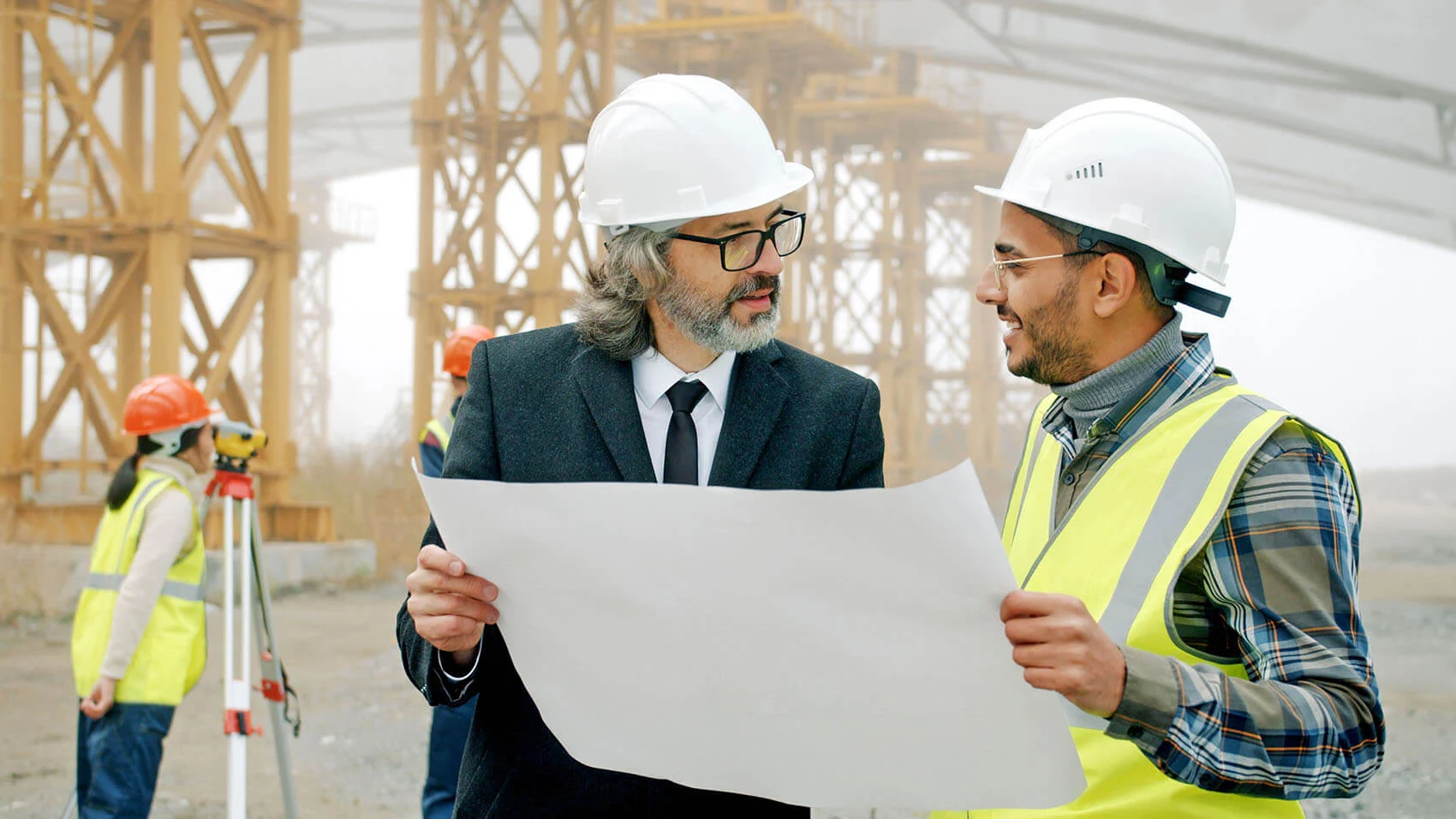
General contracting plays a vital role in the success of modern construction projects, particularly those involving metal buildings and commercial facilities. While metal building systems offer speed and efficiency, integrating them into a complete project requires broad construction knowledge and disciplined oversight.
A general contractor serves as the central organizer, responsible for coordinating design professionals, subcontractors, suppliers, inspectors, and owners. This role becomes especially important when projects involve multiple systems that must work together seamlessly.
Bridging Design and Construction
One of the primary responsibilities of a metal building contractor is translating design intent into physical construction. This involves reviewing drawings, identifying constructability issues, and coordinating solutions before work begins.
In metal building projects, this often includes aligning foundation designs with structural steel requirements, coordinating openings for doors and mechanical systems, and ensuring compliance with local codes. Early collaboration reduces delays and prevents costly redesigns.
Managing Scope, Budget, and Schedule
General contractors are responsible for controlling scope, managing costs, and maintaining schedules. This requires detailed planning, accurate estimating, and continuous monitoring throughout the project lifecycle.
Metal building projects benefit from this oversight because their speed of construction leaves little room for error. When materials arrive, work must proceed efficiently. Experienced general contractors anticipate challenges and plan accordingly.
Subcontractor Coordination
Commercial construction projects involve numerous specialized trades. The general contractor ensures these trades work in the correct sequence and according to project specifications. Clear communication and accountability are essential to avoid conflicts and delays.
In metal building projects, coordination is particularly important during erection and enclosure phases, where timing impacts weather exposure and interior work.
Risk Management and Compliance
General contractors manage risk by enforcing safety standards, ensuring code compliance, and maintaining proper documentation. Inspections, testing, and quality assurance are integral to this process.
Experienced contractors understand regional requirements, environmental conditions, and permitting processes. This knowledge reduces uncertainty and helps projects move smoothly from approval to completion.
Experience as a Competitive Advantage
Ultimately, the effectiveness of a general contractor is defined by experience. Contractors who understand both traditional construction and metal building systems bring added value to owners and developers.
Horn Construction exemplifies this expertise by combining hands-on field knowledge with disciplined project management. This approach allows complex projects to be delivered efficiently while maintaining quality, safety, and long-term performance.