
Gaming Laptops in the Current Market: What Has Changed and What to Look For

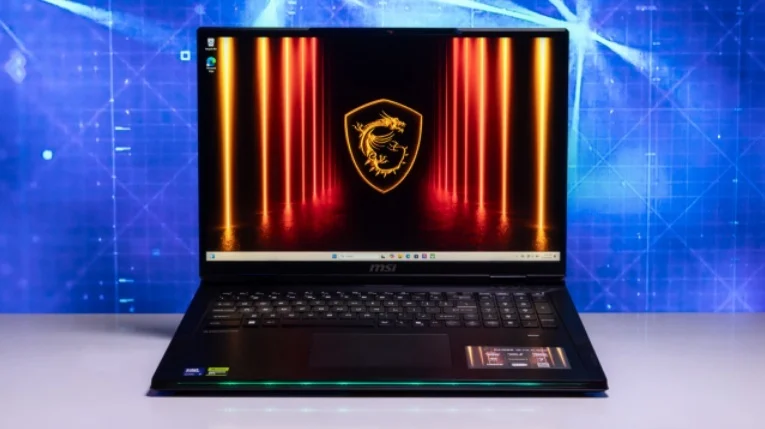
Gaming laptops have gone through a genuine transformation over the past several years. The machines that defined the category for most of its history were thick, heavy, loud, and ran hot enough to make extended gaming sessions uncomfortable. They traded portability for performance in ways that made the compromise feel barely worth it compared to a desktop.
That is not the category you are buying into today. The engineering gap between gaming laptops and desktop performance has narrowed considerably, thermal management has improved substantially, and the form factors have become genuinely portable without sacrificing the specs that matter. For buyers who want desktop-class gaming performance without being anchored to a single location, the current generation of machines makes a stronger case than any previous one.
What Drives Gaming Laptop Performance
The GPU is the single most important component in a gaming laptop, as it is in any gaming machine. Laptop GPU variants have historically delivered meaningfully lower performance than their desktop counterparts at the same tier due to power and thermal constraints. That gap has narrowed as manufacturers have pushed higher TDP allowances and improved cooling designs, but it has not disappeared entirely.
Understanding the power configuration of a specific GPU in a specific laptop matters more than the GPU model alone. Two laptops with the same GPU model can deliver noticeably different performance depending on the wattage the manufacturer has configured and how effectively the thermal design sustains that wattage under load. Checking reviews that include sustained performance benchmarks rather than only burst tests gives a more accurate picture of real-world gaming behavior.
The CPU matters for gaming in terms of both raw speed and its interaction with the GPU. A processor that cannot keep pace with a high-end GPU creates a bottleneck that limits the machine’s actual output regardless of how capable the graphics card is on its own. Current-generation processors from both major manufacturers perform well in this regard, but pairing is worth verifying for any specific configuration you are considering.
Display: Where Gaming Laptops Have Improved Most Visibly
Display quality in gaming laptops has improved more dramatically than almost any other component category over the past few years. High refresh rate panels, 144Hz at minimum and increasingly 165Hz, 240Hz, and higher, are now standard at most price points rather than premium options.
Resolution choices have expanded meaningfully. 1080p remains the practical sweet spot for maximizing frame rates on mid-range hardware. 1440p hits a balance between visual quality and the GPU headroom required to drive it well. 4K on a 15 or 16 inch laptop panel is a diminishing returns situation for most users, since pixel density differences are less perceptible at close viewing distances and the GPU demand is considerably higher.
Response time and color accuracy are worth checking if competitive gaming or content creation are both on the list of intended uses. A panel optimized purely for response time often trades color accuracy, and vice versa. Most current gaming laptops are clear about which direction they have optimized for.
Battery Life: Set Realistic Expectations
Gaming laptops do not offer the battery life of ultrabooks, and they should not be expected to. A machine drawing significant power from a high-performance GPU during a gaming session will measure battery life in hours rather than the all-day figures that general-purpose laptops advertise.
The more relevant question is how the machine performs on battery for lighter tasks. Browsing, productivity work, and video playback are situations where many gaming laptops now manage reasonable battery life by switching to integrated graphics and throttling power draw. For gaming specifically, a power connection is essentially required for full performance.
iBUYPOWER offers a range of gaming laptops configured for gaming performance across different budget tiers, with specifications that reflect the current generation of display, processing, and thermal technology rather than the older compromises that gave the category a mixed reputation.
Cooling and Sustained Performance
Thermal management is where gaming laptops most commonly underdeliver relative to their specifications. A machine that can sustain its rated performance under continuous load is a meaningfully better product than one that hits peak speeds briefly before throttling back as temperatures climb.
Chassis design, fan configuration, and heat pipe routing all contribute to how effectively a laptop manages sustained load. Thinner machines generally face more thermal constraints than thicker ones, which is a real tradeoff worth considering if sustained high-load performance is a priority.
Who the Current Market Serves Well
Gaming laptops make the most sense for buyers who genuinely move between locations regularly, whether that is between home and a shared workspace, traveling frequently, or gaming in multiple rooms without wanting a desktop setup in each. For buyers who work primarily from a single location and value the performance per dollar advantage, a desktop remains the stronger choice at any given budget.
For everyone else, the current generation of gaming laptops is the most capable the category has ever been, and the compromises that once defined the form factor have become considerably less significant.







Comment