
From Traditional Engineering to Strategic Leadership

For decades, the success of large-scale construction projects was measured primarily by whether they were delivered on time and within budget. Today, however, global organizations are looking for something far more sophisticated: professionals who can integrate engineering, innovation, sustainability, financial management, and people leadership into high-impact, mission-critical projects.
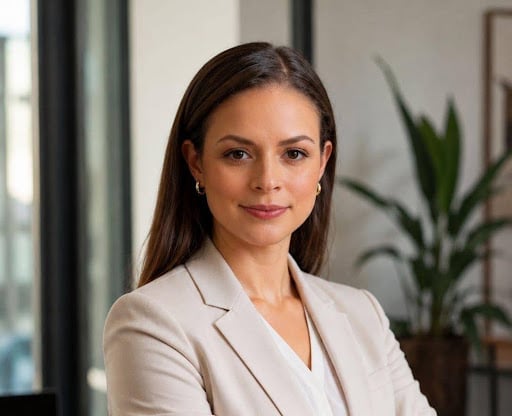
This is precisely where engineer and project management leader Tamara Rocha stands out.
With more than 17 years of experience leading industrial, pharmaceutical, and infrastructure projects, Tamara has built a career centered on solving complex challenges for multinational organizations such as AstraZeneca, Procter & Gamble, Fleury Group, and Bureau Veritas. Her expertise combines deep technical knowledge with strategic leadership—qualities that have become increasingly valuable in today’s fast-changing global marketplace.
Leading Projects Where There Is No Margin for Error
In the pharmaceutical industry, infrastructure delays or failures can jeopardize research, manufacturing, regulatory compliance, and investments worth millions of dollars.
Within this environment, Tamara led modernization projects for AstraZeneca, overseeing project schedules, budgets, the installation of advanced technological equipment, and the coordination of architects, engineers, suppliers, and operational leadership teams.
Her role extends far beyond construction management. She ensures that mission-critical facilities are delivered safely, in full regulatory compliance, and without disrupting ongoing operations—reducing risk while aligning every stage of execution with the organization’s strategic objectives.
Engineering That Creates Financial Value
Throughout her career, Tamara has demonstrated that innovation is also about financial efficiency.
During the construction of one of Procter & Gamble’s largest industrial facilities in Brazil, she led a value engineering initiative that eliminated waste and generated approximately R$7 million (roughly US$1.3 million, depending on exchange rates) in cost savings for the client.
The project involved large-scale industrial construction, sustainable drainage solutions, LEED certification requirements, and the simultaneous coordination of multiple construction workstreams, demanding an integrated approach to engineering, risk management, and strategic planning.
When Engineering Means Protecting Lives
In healthcare, engineering challenges take on an even greater level of responsibility.
During the development of a new diagnostic center for Fleury Group, Tamara managed a complex construction project that required highly sensitive medical equipment to remain fully operational without disrupting clinical services.
The project demanded meticulous planning, specialized electrical infrastructure, and precisely synchronized logistics for the installation of MRI systems, demonstrating how engineering can directly influence the quality and continuity of patient care.
Leadership Beyond Construction
Although her academic background is in engineering and project management, colleagues often point to another defining characteristic: her ability to develop people.
Throughout her career, Tamara has served as a Lead Auditor, established operational standards adopted by national teams, participated in ISO certification initiatives, and developed training programs that helped strengthen the technical capabilities of both professionals and organizations.
Her leadership style is frequently described as collaborative, built on fostering strong relationships among multidisciplinary teams, suppliers, stakeholders, and executive leadership.
The Future of Project Management
For Tamara Rocha, the future of engineering is no longer defined solely by constructing physical assets. Instead, it lies in the ability to integrate technology, sustainability, financial intelligence, and strategic leadership.
At a time when major investments depend on rapid decision-making and disciplined risk management, professionals capable of connecting diverse areas of expertise are becoming the driving force behind organizational transformation.
Her career demonstrates that the true measure of a successful project is not simply the size of the structure delivered, but the lasting value it creates for businesses, communities, and the advancement of critical infrastructure.





Comment