
From Podcasts to Apps: Rosa Laura Junco on Catholicism’s Digital Expansion

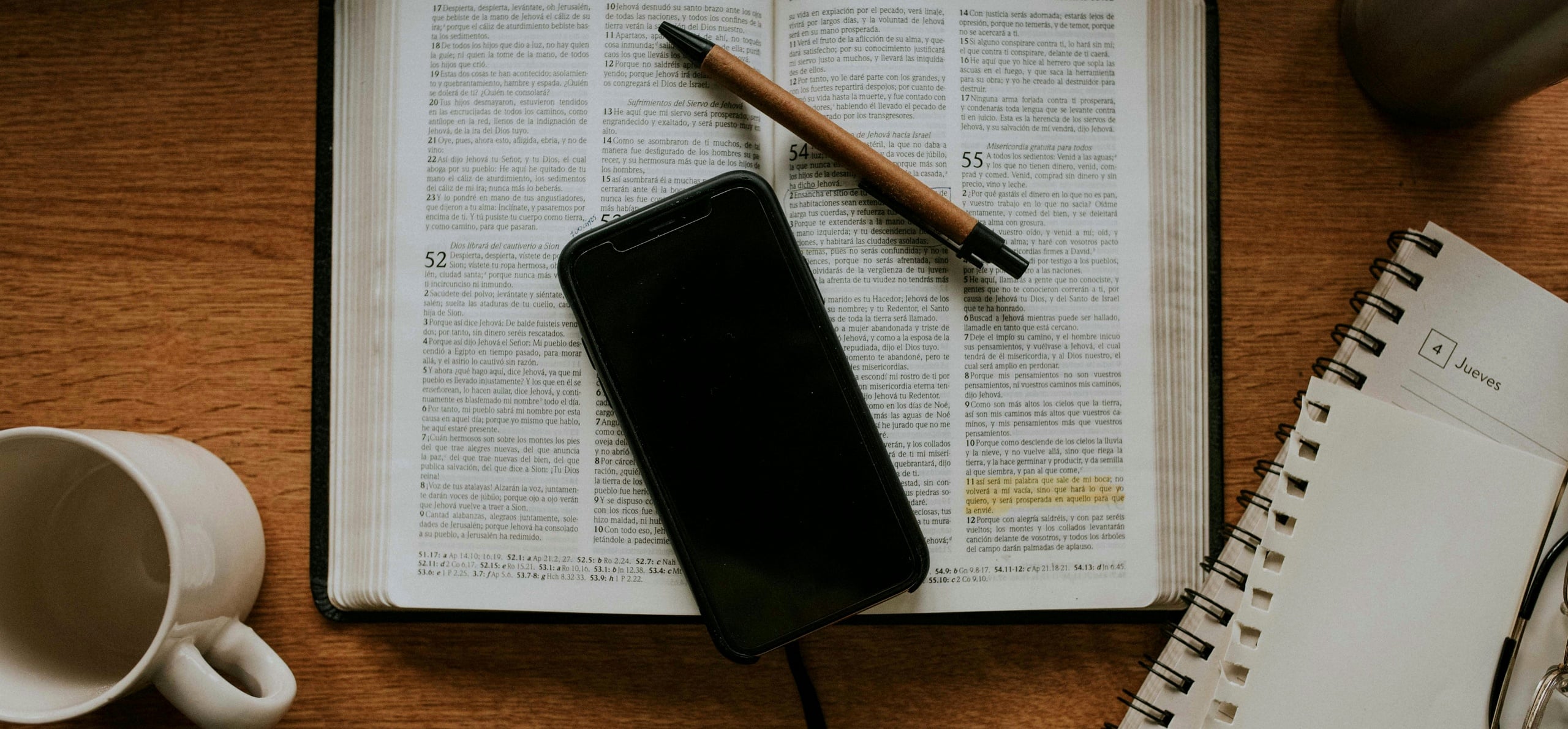
Rosa Laura Junco views the growth of Catholic digital media as evidence of a wider shift in how the Church communicates with modern audiences. One example is Father Mike Schmitz’s The Bible in a Year podcast, produced by Ascension, which surpassed one billion downloads worldwide in March 2026. The approach is simple: daily 20-minute episodes centered on Scripture, commentary, and prayer. Its reach shows how religious content can become part of people’s daily routines through their phones.
Podcasts, apps, YouTube, and livestreams now allow religious organizations to connect with people far beyond the parish. These online tools can introduce faith to new audiences, while the work of building community continues through real-life practice and relationships.
Faith Moves Onto the Phone
The audience is already there. Pew Research Center found that 20% of U.S. adults watch religious videos online, while 15% listen to religion-focused podcasts. Another 14% use apps or websites to assist with prayer. Among Americans Pew classifies as highly religious, more than half use digital tools to help with Scripture reading.
Catholic organizations have adapted to these trends. Ascension now provides podcasts, videos, courses, and other resources through its app. Schmitz has become a key digital communicator for the Catholic Church.
Hallow has concentrated on prayer and meditation. By June 2025, the Catholic app had reached nearly 24 million installs in 150 countries, with users completing over 1 billion prayers. Its library features the Rosary, Gospel readings, novenas, music, meditations, and content from Catholic leaders such as Schmitz.
“Digital media is able to make faith part of the rhythms of everyday life,” said Rosa Laura Junco. “A prayer, reflection, or conversation about Scripture no longer has to begin and end within the walls of a church.”
What Gets Lost Through a Screen?
Digital religion has clear limitations. Watching Mass online cannot replace being present with others in a parish. Podcasts may teach or inspire prayer, but they do not substitute for the relationships and sacraments that require in-person participation.
The preference for in-person worship remains strong. Among Americans who attend religious services both in person and virtually, 76% told Pew they prefer attending in person. In-person participants also reported substantially stronger feelings of connection with fellow worshippers.
These results illustrate both the merits and limits of technology. Digital Catholic media is most effective when it serves a clear purpose, such as teaching, prayer, discovery, or supporting learning that supports face-to-face experiences.
Rosa Laura Junco on Digital Access
A commuter can listen to Scripture during a daily drive. Anyone curious about Catholic teaching can find answers on YouTube, even if they don’t know where to begin. A person trying to build a prayer habit can use an app at a set time each morning.
“Digital media should not replace the experience of faith in community, but they can open the door for people who might otherwise never walk through it,” said Rosa Laura Junco.
Faith-based storytelling now reaches audiences outside traditional Catholic platforms. The Chosen, an independent Christian drama series, is not an official Catholic project, yet its popularity demonstrates how far religious stories can travel in today’s media sphere.
Build for the Medium
Uploading existing material online is easy, but it does not always work. A strong podcast must be created specifically for audio. A short video needs a clear focus. An app should offer users a reason to return.
Catholic organizations can build clear links between different types of content. A short YouTube video can direct viewers to a more detailed resource. A podcast can encourage listeners to study further or get involved. The format should guide how the message is delivered and what action the user can take next.
Credibility matters as much as reach. Religious organizations online compete with a flood of information, some of it untrustworthy. Careful sourcing and clear explanations of Catholic teaching help audiences distinguish serious content from material created solely to attract attention.
The Vatican itself has recognized the importance of these spaces. Addressing Catholic influencers and digital missionaries in 2025, Pope Leo XIV encouraged them to bring Christian hope into social networks and online environments.
Beyond the Parish Walls
The success of The Bible in a Year and Hallow shows the progress Catholic digital media has made. YouTube, livestreams, and projects like The Chosen highlight the many ways religious communication now connects with people.
The real challenge is to make this reach matter. Catholic communicators now have tools to bring Scripture, prayer, and discussion into daily life, even in places where customary media could not reach. The most effective digital efforts can guide people toward deeper faith, while recognizing that a screen cannot provide everything faith demands.
About Rosa Laura Junco
Rosa Laura Junco has more than 16 years of experience in publishing. She has served as an Executive Board Member at Grupo Reforma, Mexico’s largest print media outlet, since 2008. Grupo Reforma publishes the leading newspapers in Mexico City (Reforma), Monterrey (El Norte), and Guadalajara (Mural). Since 2023, she has also served as an Executive Board Member at Casa Monarca Ayuda Humanitaria al Migrante, a migrant shelter and nonprofit organization, where she supports strategic governance, fundraising, and community engagement for vulnerable migrant populations. She holds a B.A. with honors in International Relations from Tecnológico de Monterrey.







Comment