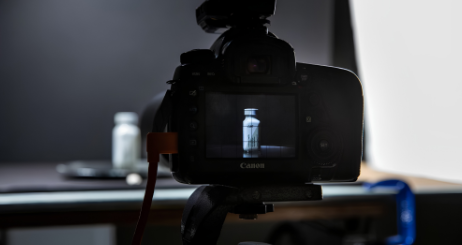
A single product image used to have a very limited role in eCommerce. It would appear on a product page, maybe be reused in a simple ad, and that was usually the end of its journey. Everything else in marketing depended on separate photoshoots, design work, revisions, and long production cycles. For most online brands, that process has always been slow, expensive, and difficult to scale.
AI product photography is changing that foundation. One simple product photo can now be transformed into a complete marketing campaign. Studio-quality images, lifestyle visuals, ad creatives, and even video content can all be generated from a single input using an AI photoshoot generator.
This shift is not just about saving time. It is changing how eCommerce brands think about content creation, speed, and scale.
The real challenge behind product visuals
Selling online depends heavily on visuals. Customers cannot touch, feel, or physically experience a product, so images and videos become the main factor behind buying decisions. If visuals fail to communicate trust, quality, or use case, conversions drop quickly.
Traditional product photography tries to solve this problem, but it comes with clear limitations. A typical shoot requires planning, studio setup, lighting equipment, models, editing, and post-production work. Each step adds both cost and delay.
Even after a full production process, brands often end up with a limited set of visuals. If they need different styles for ads, seasonal campaigns, or platform-specific content, they usually have to repeat the entire process again. This creates a gap between fast-moving digital marketing and slow content production.
How AI product photography changes everything
AI product photography removes many of these limitations by replacing physical production with digital generation. Instead of organizing a photoshoot, a brand uploads a single product image.
From there, the system analyzes the image and generates multiple visual outputs. These can include clean studio shots, realistic lifestyle scenes, and marketing-ready creatives designed for different platforms.
An AI photoshoot generator goes a step further by creating variations that would normally require multiple shoots. Different lighting styles, backgrounds, and angles can be produced without any physical setup.
The key shift is simple. One image is no longer one output. It becomes the starting point for multiple marketing assets.
From one photo to a full marketing system
The most important impact of AI-driven tools is scale. A single product image can now support an entire marketing strategy.
Instead of producing one set of visuals, brands can generate a complete content package such as:
- Clean studio product images for online stores
- Lifestyle visuals for social media platforms
- Promotional creatives for advertising campaigns
- Short video ads for TikTok, Instagram, and Facebook
- Content variations for email marketing
- Platform-specific visuals for Shopify, Amazon, and Etsy
This creates a complete content pipeline from a single upload.
Platforms like Product Pro AI are built around this workflow. They allow brands to turn one product photo into a full set of marketing assets without manual editing, repeated shoots, or long production delays.
Why this matters for online stores
In eCommerce, visuals directly influence sales. A product listing is often judged within seconds. Customers decide whether to stay or leave based on how the product is presented.
High-quality visuals build trust. They also help customers understand how a product fits into real-life situations. However, producing those visuals consistently has always been a challenge.
AI product photography solves this problem by making production faster and more accessible. Brands can now create multiple versions of the same product for different audiences and platforms without increasing production cost in the same way as traditional workflows.
This also improves testing. Instead of relying on a single visual direction, brands can experiment with different styles and formats to see what performs best in real campaigns.
The role of AI photoshoot generators in scaling content
An AI photoshoot generator is designed for flexibility. It does not produce only one type of image. It creates multiple content variations that serve different marketing purposes.
For example, a single product image can be transformed into:
- A clean studio shot for product listings
- A lifestyle image for Instagram or Pinterest
- A promotional visual for paid advertising
- A short video clip for social media reels
This helps brands maintain consistency while adapting content for each platform’s requirements.
Each platform works differently. What performs well on Amazon may not work the same on TikTok. AI tools help solve this by generating platform-ready content automatically from the same source image.
Speed as a competitive advantage
One of the strongest advantages of AI product photography is speed. Traditional workflows often take days or even weeks. AI-based systems reduce this to minutes.
This changes how marketing teams operate. Instead of waiting for production cycles, they can respond quickly to trends, launch campaigns faster, and test ideas without delay.
It also balances competition between small and large brands. In the past, larger companies had a clear advantage because of bigger budgets and production teams. Now, smaller businesses can produce similar-quality visuals without heavy investment.
The focus shifts from production limitations to strategy and performance.
A new way to think about product content
AI is not only improving photography. It is changing the structure of content creation itself.
Instead of treating each photoshoot as a separate project, brands can now think in systems. One product image becomes the foundation of an entire content pipeline.
This approach supports ongoing marketing instead of one-time production. Content can be expanded, reused, and adapted across different campaigns without starting from zero each time.
It also improves consistency. Since all assets are generated from the same product input, brand identity remains aligned across all platforms.
Scaling content creation with smarter workflows
For growing eCommerce brands, content demand never slows down. Every new product requires fresh visuals, and every campaign needs multiple variations.
This is where modern AI tools become practical. A system that once depended on manual effort can now run continuously with minimal input. One product image can generate dozens of usable assets across channels.
Midway through this process, brands often realize the value of tools like Product Pro AI again, especially when they need consistent output across multiple campaigns without restarting production from scratch.
Turning visuals into performance-driven marketing
Content alone is not enough. What matters is how it performs. AI-generated visuals give brands the ability to test different creative directions quickly.
Instead of guessing which image works best, brands can run multiple variations and measure results. This makes marketing more data-driven and less dependent on expensive trial-and-error production.
Over time, this leads to better conversion rates and more efficient ad spending.
Final thoughts
AI product photography is redefining how eCommerce brands create and scale visual content. A single product image is no longer limited to one purpose. It can become the foundation of a complete marketing campaign.
An AI photoshoot generator makes this possible by transforming one image into studio-quality photos, lifestyle visuals, video ads, and platform-ready creatives.
This shift allows brands to move faster, produce more content, and reduce dependence on traditional production workflows. Instead of focusing on how to create visuals, businesses can focus on how to use them effectively to grow, test, and convert customers.