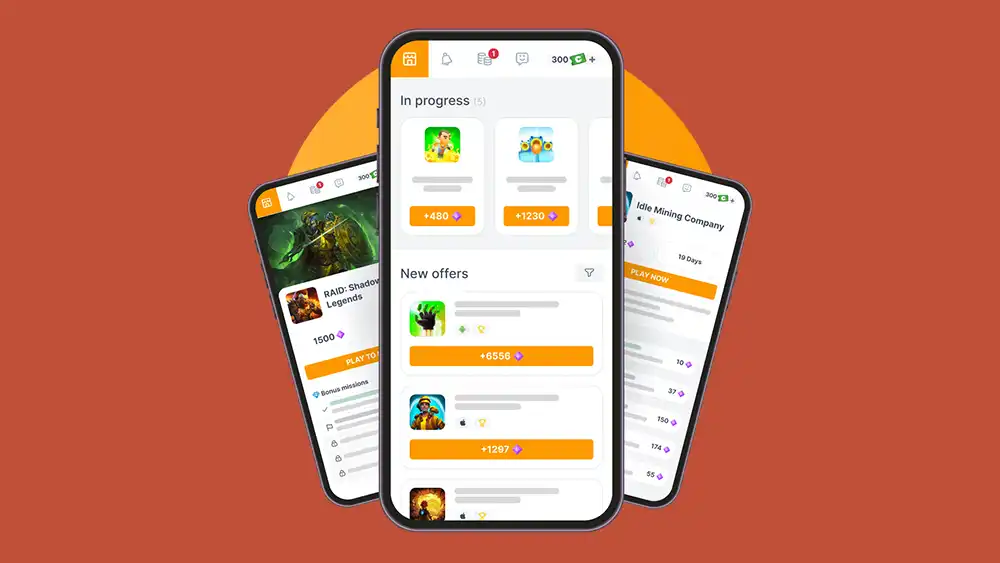
For more than a decade, offerwalls have been associated almost exclusively with mobile gaming. Players completed small tasks, like installing an app, finishing a level, or signing up for a service, in exchange for in-game currency. For developers, offerwalls became a reliable way to monetize non-spending players without disrupting gameplay.
But in 2025, the offerwall model is undergoing one of the biggest transformations since its inception.
A format once used purely for in-game rewards is now being adopted by fintech, utilities, health apps, reward platforms, productivity tools, e-commerce apps, and even ed-tech ecosystems. The concept is evolving from a gaming mechanic into a broader value-exchange economy in which users earn meaningful rewards for completing branded micro-actions.
This shift is reshaping user engagement, retention, monetization, and acquisition strategies across multiple industries, and signs indicate the trend is only accelerating.
Why Offerwalls Are Breaking Out of the Gaming Industry
The movement toward broader offerwall adoption is driven by three converging forces:
1. User Acquisition Costs Are Skyrocketing
Across the app ecosystem, UA has become increasingly expensive:
- CMPs are rising year over year
- Privacy regulations have reduced granular targeting
- Many apps now struggle to break even on new users
Offerwalls use a pay-for-performance model, where brands pay only when users complete a specific action, eliminating much of the inefficiency in traditional UA.
2. Users Prefer Incentivized Engagement
Modern users respond more positively to reward-based actions. Surveys, app installs, trials, KYC verifications, or fintech sign-ups feel fairer when tied to a tangible reward, coins, cash, cashback, points, or unlockable app features.
3. Value-Exchange Ads Align With Privacy-First Requirements
In a post-IDFA world, offerwalls rely on:
- first-party user intent
- contextual targeting
- event-based measurement
This makes them compliant, measurable, and sustainable even as ad identifiers disappear.
As a result, apps outside gaming are increasingly adopting offerwalls, not just as a revenue source, but as a core part of their engagement and growth strategy.
How Offerwalls Work in Non-Gaming Apps
While the core mechanism of offerwalls remains consistent, users complete tasks in exchange for rewards; their function, purpose, and value differ dramatically when implemented in mainstream, non-gaming apps. Instead of simply offering virtual coins or inventory upgrades (as in games), offerwalls in non-gaming apps enable real-world rewards, enhanced onboarding, better funnel success, and long-term habit formation.
Below is a deeper look at how various industries are using offerwalls not just as a monetization layer, but as a strategic engagement engine.
1. FinTech Apps: Rewarding KYC, Deposits, & Activations
FinTech apps are one of the fastest-growing categories integrating offerwalls.
FinTech has quickly become one of the biggest adopters of offerwalls, largely because the industry is filled with high-friction user journeys that require verification, documentation, and financial commitments.
Why Offerwalls Fit Perfectly in FinTech
FinTech funnels often break at stages that require:
- Uploading ID documents
- Completing KYC
- Adding bank details
- Making the first deposit
- Linking UPI, debit cards, wallets, or accounts
- Activating debit/credit cards
- Subscribing to a savings or investment plan
These steps are high-intent but also high-friction; users abandon them easily.
What Offerwalls Solve
Offerwalls reduce this friction by:
- Rewarding users for completing essential actions
- Increasing funnel completion rates without additional incentives from the brand
- Lowering acquisition costs because payment happens only when users complete the required action
- Enhancing user motivation using clear, immediate rewards
Examples of FinTech Offerwall Actions
- Complete KYC → Earn $2 or ₹150
- Add PAN/Aadhaar details → Earn 150–200 points
- Make your first ₹1000 deposit → Unlock instant cashback
- Link your bank account → Earn reward tokens
- Subscribe to an SIP or savings plan → Earn 50 coins
- Activate your virtual debit card → Earn ₹50
Impact on FinTech Apps
- Higher verified users → more revenue per user
- Better onboarding completion → lower CAC
- Improved LTV → users who complete onboarding engage more
- More recurring usage → users come back to track rewards
FinTech apps have some of the highest payoffs from offerwalls because every additional verified user directly impacts revenue and product stickiness.
2. Reward Apps & Micro-Earning Platforms
Reward-based platforms are practically the native habitat for offerwalls.
These include:
- Cash-earning apps
- Pay-per-task apps
- Survey apps
- Gift card platforms
- Scratch card apps
- Cashback aggregators
Why These Apps Love Offerwalls
They depend heavily on:
- Daily retention
- High engagement cycles
- User motivation through earnings
Offerwalls provide a large library of tasks, app installs, surveys, registrations, trials, that keep users active and earning.
How Offerwalls Enhance Micro-Earning Ecosystems
- Users get hundreds of earning opportunities instead of a few
- App owners get high ARPU through task completions
- Offerwalls become the backbone of a sustainable earning economy
Example Tasks
- Sign up for a partner app → Earn coins
- Complete a survey → Earn cash
- Take part in a brand trial → Earn rewards
Result
Reward apps experience:
- Longer session durations
- Higher retention
- Smoother monetization even without traditional ads
3. Utilities & Tool Apps (Cleaner Apps, VPNs, Browsers, File Managers)
Utility apps have huge download numbers but notoriously low monetization potential due to:
- Limited IAP adoption
- Users are unwilling to pay for basic tools
- Low eCPMs from banner & interstitial ads
Why Offerwalls Work Well for Utilities
Offerwalls offer a non-intrusive, high-value monetization model:
- No disruption to cleaning, browsing, scanning, or file management
- Rewards can unlock small, useful perks
- Perfect for converting non-paying users into revenue
Example Use Cases
A file manager can reward users with:
- Extra storage space
- Ad-free browsing
- Priority file transfer
- Premium icons or themes
A VPN app can offer:
- Extra bandwidth
- One-day premium access
- Faster server selection
Result
Utility apps can now generate significant income from users who otherwise never spend or engage with traditional ads.
4. E-commerce Apps & Shopping Rewards
The e-commerce landscape is increasingly centered around earning, redeeming, and loyalty-based engagement.
Why E-commerce Adds Offerwalls
Offerwalls help:
- Increase daily app open rates
- Build purchase motivation through redeemable coins
- Drive partner app installs
- Promote newsletter or membership sign-ups
- Introduce gamified shopping experiences
Examples of Offerwall Tasks
- Complete a quick survey → Earn shopping coins
- Install a partner fintech app → Unlock a discount coupon
- Sign up for a newsletter → Get cashback
- Watch a short video → Earn points toward your purchase
How It Fits the Loyalty Engine
E-commerce brands integrate offerwalls into:
- Coins & cashback systems
- Tiered shopping memberships
- Daily streaks
- Mega sale campaigns
Offerwalls help convert window shoppers into active buyers by offering valuable earning opportunities.
5. EdTech & Learning Apps
Learning apps increasingly rely on gamification to maintain consistency and habit formation.
Why Offerwalls Fit in EdTech
EdTech users respond positively to:
- Learning streaks
- Achievements
- Unlocks and badges
- Reward-based progress
Offerwalls introduce external incentives that amplify motivation.
Examples of Rewardable Actions
- Complete today’s lesson → Earn credits
- Invite a friend → Earn premium access
- Sign up for an advanced course → Unlock coins
- Try a partner learning tool → Earn practice modules
Types of Rewards
- Extra practice questions
- Daily boosters
- Premium lessons
- Unlockable certificates
Result
Offerwalls help:
- Reduce churn
- Increase lesson completion rates
- Build daily learning habits
6. Health, Fitness & Wellness Apps
Wellness apps are increasingly adopting reward-driven models to improve consistency, one of the biggest challenges in this category.
Offerwalls Support Wellness Apps by:
- Making daily logging more rewarding
- Helping users stay consistent with fitness goals
- Creating a habit-forming reward cycle
- Giving users a reason to return every day
Typical Offerwall-Driven Actions
- Track water intake → Earn coins
- Record daily steps → Earn points
- Complete a meditation session → Unlock rewards
- Share progress → Earn badges or coupons
Rewards Can Include:
- Premium meditation tracks
- Workout plans
- Coins redeemable for partner discounts
- Limited-time premium features
Result
A more engaging, gamified wellness experience that encourages ongoing participation and reduces churn.
Why Offerwalls Are Suddenly Being Adopted Everywhere
Offerwalls are rapidly expanding beyond gaming because they solve multiple challenges modern apps face: monetization, retention, acquisition efficiency, and privacy compliance. Below is a deeper look at why they’ve become one of the most adopted engagement and monetization engines in 2025.
1. They Monetize 90–95% Non-Paying Users
Across almost every app category, the biggest monetization challenge is that the vast majority of users never spend money. Typically, less than 5–10% convert into paying subscribers or make in-app purchases, and traditional ads generate limited value once users begin ignoring or skipping them. Offerwalls solve this by turning the remaining 90–95% of “non-spending” users into revenue contributors through reward-based tasks.
When users complete actions, such as installing a partner app, signing up for a service, or completing a survey, the host app earns revenue and the user earns rewards. This not only activates an entirely untapped revenue segment but also deepens engagement, as users return regularly to access more earning opportunities. Over time, these formerly silent users become long-term, active participants in the app’s ecosystem.
2. They Don’t Cannibalize Primary Revenue
Unlike many ad formats that compete with subscriptions or in-app purchases, offerwalls operate in harmony with a developer’s existing monetization stack. Users who prefer paying for premium features or subscriptions continue to do so, while users who avoid spending now have a meaningful alternative that still generates revenue for the app. Because offerwalls are fully opt-in and appear only when users seek rewards, they don’t disrupt core experiences or pull users away from paid offerings.
In some cases, they even support primary revenue; for example, users may complete offerwall tasks to unlock temporary premium access and eventually convert into paying customers. This complementary nature makes offerwalls a low-risk, high-value addition for developers.
3. They Increase Retention Through Reward Loops
Retention is a major challenge for modern apps, and offerwalls help address it by creating strong reward-driven behavior loops. When users know they can earn meaningful rewards through daily tasks, streaks, or limited-time offers, they’re far more likely to return regularly. This increases session frequency, builds momentum around daily engagement, and strengthens habit formation.
Such engagement loops are especially valuable in categories like fintech, wellness, education, and shopping, where consistent usage directly impacts long-term value. By giving users a reason to come back, offerwalls reduce churn and help apps maintain a stable, active user base.
4. They Work in a Privacy-First World
As regulations like GDPR, CCPA, and Apple’s ATT framework restrict the use of personal identifiers and third-party tracking, many traditional advertising channels have lost effectiveness.
Offerwalls, however, thrive in this new environment because they rely entirely on user-initiated actions rather than background data tracking. They operate through simple, privacy-safe mechanics: a user opts in, completes a task, and is rewarded based on verifiable events. No invasive tracking, device IDs, or behavioral data are required. This makes offerwalls compliant, transparent, and highly measurable, an ideal solution for apps seeking sustainable growth in a privacy-first landscape.
Why Developers Are Choosing Smart Offerwall Networks
Not all offerwall networks deliver the same quality or performance. As offerwalls expand into mainstream apps, developers are becoming more selective and now prioritize networks that offer reliability, scalability, and a strong user experience.
- High-quality tasks – Brand-safe, global, well-verified offers. As developers want access to brand-safe, well-curated offers that appeal to diverse user bases across different regions. High-quality tasks drive better conversions, reduce user complaints, and boost long-term engagement.
- CPE models – Event-based rather than install-based. Modern offerwalls favor event-based (CPE) models instead of simple install-based payouts. Developers only pay when users complete meaningful actions, ensuring better ROI and more accurate measurement of user intent.
- API, SDK, and On-Web Integration – So that any app (gaming or not) can integrate easily. A flexible integration stack is essential, especially for non-gaming apps. Networks that support API, SDK, and Web integrations allow developers to embed offerwalls seamlessly into fintech, utility, shopping, and wellness apps without disrupting user experience.
- Fraud protection – Automated checks to ensure rewards are legitimate. With reward-based systems, fraud prevention is critical. Smart offerwall networks use automated checks, device fingerprinting, and server-to-server validations to ensure rewards are granted only for genuine, verified actions.
- Payout reliability – Transparent, trackable, predictable earnings. Developers value networks that offer transparent reporting and predictable earnings. Consistent payouts, clear dashboards, and accurate tracking help apps plan revenue models confidently and avoid financial discrepancies.
Developers researching this topic will find useful insights in this breakdown of Offerwall Ad Networks which compares formats and networks designed for modern apps.
How PubScale Is Powering Cross-Industry Offerwall Growth
PubScale has established itself as one of the most versatile and developer-friendly platforms, accelerating the adoption of offerwalls beyond gaming. As apps across fintech, utilities, shopping, wellness, and rewards seek sustainable monetization solutions, PubScale provides the infrastructure needed to build powerful, engagement-driven reward ecosystems. Its offerwall solution is designed to support the needs of both high-growth startups and established apps, enabling them to reach new revenue potential while delivering smooth, user-first experiences.
Through PubScale Offerwall, developers gain access to a comprehensive suite of monetization and engagement tools, including:
- CPE-based tasks that pay only for real, verified user actions
- Global offer inventory across hundreds of advertisers and geographies
- Flexible API, SDK, and Web integrations for frictionless onboarding in any type of app
- Advanced reward management systems that simplify tracking, awarding, and user reconciliation
- Robust fraud filters and server-to-server validations for clean, quality conversions
- Deep analytics and performance insights that help developers optimize revenue in real time
This modular setup allows any app, not just games, to introduce a full reward economy without heavy engineering effort or operational complexity.
Brands and developers leverage PubScale’s Offerwall to:
- Maximize ARPU by generating meaningful revenue from previously non-paying users
- Monetize the silent majority with tasks that users willingly complete
- Boost retention through streaks, daily offers, and reward-driven engagement
- Create long-term engagement loops that keep users coming back
- Deliver frictionless, value-driven user rewards that enhance satisfaction rather than disrupt the experience
By combining performance-based payouts, global advertiser access, and flexible integration options, PubScale enables apps of all categories to tap into a reliable, scalable monetization engine. This accessibility and effectiveness are major reasons why offerwalls are now expanding far beyond gaming and becoming a core part of the monetization strategy across the entire app economy.
The Future of Offerwalls: 2025–2030 Predictions
As offerwalls continue evolving from niche gaming features into mainstream engagement engines, the next five years will bring even more innovation. The convergence of fintech, AI, decentralized rewards, and superapp ecosystems is opening doors for offerwalls to become a core part of how users earn, spend, and interact across digital platforms. Below are the most significant trends shaping the future of offerwalls through 2030.
1. Embedded Wallets + On-Chain Rewards
Blockchain-driven micro-rewards are expected to become increasingly common, enabling apps to store earned value in secure, embedded wallets. Instead of earning only coins or points, users will receive tokenized rewards that hold real monetary value and can be redeemed across different platforms. This creates a seamless, portable reward economy where users truly “own” the value they earn.
Future possibilities include:
- In-app crypto wallets for storing micro-tokens
- On-chain verification for reward authenticity
- Multi-app reward portability through blockchain networks
2. AI-Personalized Task Recommendations
Artificial intelligence will transform offerwall engagement by analyzing user behavior, intent signals, and historical actions to recommend the most relevant tasks. Personalized offerwalls will feel like curated earning feeds, dramatically improving completion rates and user satisfaction. Instead of showing the same offers to everyone, apps will match tasks to what each user is most likely to engage with.
What AI-driven offerwalls will deliver:
- Higher conversion rates through tailored recommendations
- Intelligent sequencing of tasks based on user intent
- Real-time optimization for better earnings and revenue
3. Offerwalls Inside Superapps
Superapps, platforms that combine shopping, payments, rides, messaging, and more, are increasingly integrating reward systems. Between 2025 and 2030, offerwalls are likely to become embedded directly into core superapp functions. Instead of being hidden in a “rewards” tab, they will appear naturally within shopping flows, wallet pages, or daily activity sections.
Expected use cases:
- Ride-hailing apps are rewarding users for completing partner tasks
- Finance superapps offering discounts for branded activations
- Wellness superapps integrating health goal rewards inside the main dashboard
4. Expansion Into Web Ecosystems
Web-based offerwalls are gaining traction because they offer frictionless integration and work across any browser or device, without requiring an app installation. As mobile web usage grows and progressive web apps (PWAs) expand, offerwalls will migrate more aggressively to web environments, bringing higher conversion rates and broader accessibility.
Why Web Offerwalls Will Grow:
- No SDK or app update required
- Instant access for all users
- Better reach in emerging markets where app fatigue is high
5. Hybrid Rewards (Virtual + Real-World Value)
The next generation of offerwalls will merge virtual incentives with real-world benefits, creating hybrid reward ecosystems that appeal to a wider variety of users. Instead of choosing between coins or cashback, users will earn combinations that increase both fun and utility.
Hybrid examples include:
- Coins + cashback — virtual currency earned through tasks plus real money rewards
- Points + vouchers — loyalty points that convert into shopping discounts
- Coins + premium unlocks — earn virtual rewards that unlock short-term premium features
This blend of practical and gamified rewards will keep offerwalls engaging while offering users tangible value.
Conclusion: Offerwalls Are Becoming a Cross-Industry Growth Engine
The rapid evolution of offerwalls, from simple in-game reward mechanisms to sophisticated, cross-industry earning systems, marks one of the most significant shifts in digital engagement in recent years. As app ecosystems become increasingly competitive, privacy-restricted, and cost-sensitive, offerwalls offer a rare combination of benefits: they monetize non-paying users, strengthen retention loops, reward meaningful actions, and operate seamlessly alongside existing revenue streams.
What began as a gamer’s shortcut to extra coins has grown into a dynamic value-exchange economy that powers fintech onboarding, utility app monetization, shopping loyalty cycles, edtech progression, wellness consistency, and so much more. With the introduction of AI personalization, embedded wallets, hybrid rewards, and web-native integrations, offerwalls are entering a new chapter, one where they become an integral component of how apps build long-term relationships with their users.
As we look toward 2030, the message is clear: offerwalls are no longer just an optional add-on for game developers; they are becoming a foundational infrastructure for digital products across every category. And with platforms like PubScale enabling flexible integrations and high-quality, global offer inventory, developers now have everything they need to build sustainable, reward-driven user ecosystems.
The era of value-based engagement has arrived, and offerwalls are at the center of it.