For decades, electrical switches were treated as simple functional components of a building. Their primary purpose was straightforward: turn lights and electrical devices on or off. Once installed, they were rarely given much thought unless they stopped working.
That approach is changing.
Modern buildings increasingly treat every visible component as part of the overall environment. Lighting, flooring, doors, fixtures, appliances, and even small electrical controls contribute to how a space looks and feels. As a result, electrical switches are moving beyond their traditional role and becoming an increasingly important part of interior and architectural design.
This evolution reflects a broader shift in construction. Buildings today are expected to be safe and efficient, but they are also expected to be comfortable, visually cohesive, adaptable, and technologically capable. The humble wall switch is evolving alongside those expectations.
From Utility to Part of the Interior
Traditional switches were generally selected based on basic considerations such as functionality, availability, and price. Appearance often came second.
Modern interiors demand something different. Architects, interior designers, developers, and homeowners increasingly look for switches that complement the character of a room rather than interrupt it.
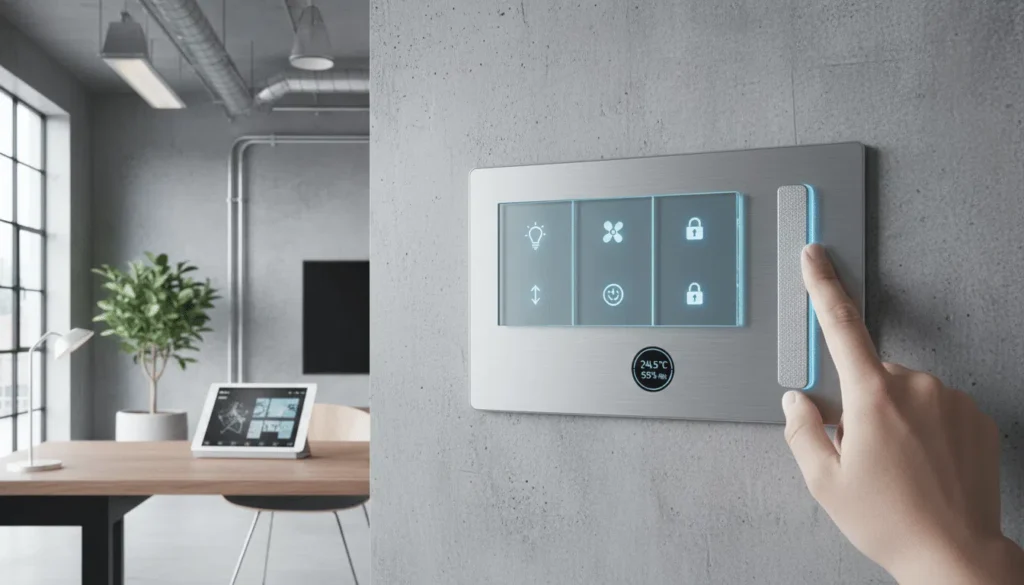
Minimalist interiors, for example, often favor clean lines, neutral finishes, slim profiles, and unobtrusive controls. In premium residential or commercial environments, switch plates may be selected to coordinate with wall finishes, furniture, lighting fixtures, and other architectural details.
This does not mean appearance has replaced functionality. Instead, design has become another consideration alongside reliability and safety.
A well-designed switch can blend into a room or become a subtle design feature. The result is an electrical component that feels intentionally integrated into the architecture rather than simply attached to a wall.
The Rise of Minimalist Switch Design
One of the most noticeable trends is the movement toward simpler and more refined switch designs.
Modern buildings frequently use uncluttered interiors, creating demand for electrical controls that follow the same visual language. Oversized plates and visually complicated layouts are increasingly being replaced by streamlined alternatives.
This trend is particularly visible in contemporary homes, hotels, offices, retail spaces, and high-end developments. Designers may choose switches with discreet profiles, smooth surfaces, coordinated finishes, or modular configurations.
The objective is not simply to make a switch look attractive. It is to create consistency throughout the building.
When multiple controls are positioned together, modular systems can help organize lighting and other electrical functions without creating unnecessary visual clutter. This becomes especially valuable in spaces where several lighting zones or connected devices need to be controlled from the same location.
Technology Is Changing the Traditional Switch
Perhaps the biggest transformation is being driven by smart-building technology.
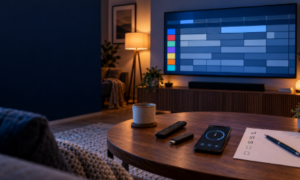
A conventional switch requires a person to physically operate it. Smart controls can introduce additional ways to manage lighting and connected electrical systems, including programmed schedules, sensors, remote controls, and automation.
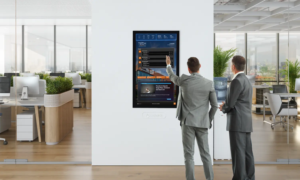
In homes, occupants may use connected controls to adjust lighting according to different activities or times of day. In commercial buildings, automated systems can help manage lighting based on occupancy, schedules, or environmental conditions.
The physical switch does not necessarily disappear. Instead, its role changes.
It can become one interface within a larger system of building controls. A wall-mounted control may operate lighting while sensors, mobile devices, or centralized building-management systems handle other functions automatically.
This creates opportunities for more flexible environments while changing expectations about what an electrical switch should provide.
Safety Remains the Foundation
Despite the emphasis on design and technology, safety remains one of the most important factors in switch selection.
A visually appealing switch has little value if it does not meet the necessary performance and safety requirements for its intended environment. Electrical components must be appropriate for the voltage, load, installation conditions, and application in which they are being used.
Quality installation is equally important. Even a well-designed electrical product can perform poorly when improperly installed or used outside its intended specifications.
For architects and contractors, this means modern switch selection involves more than comparing finishes and shapes. Product quality, compatibility, durability, installation requirements, and applicable electrical standards all need to be considered.
The best contemporary designs combine these practical requirements with an attractive appearance.
Materials and Finishes Are Becoming More Diverse
Another change can be seen in the materials and finishes available to consumers and professionals.
Basic white plastic remains common because it is practical and versatile, but modern projects can incorporate a much wider visual range. Depending on the product and application, designers may encounter finishes inspired by metal, glass, wood, matte surfaces, or other contemporary materials.
This diversity allows electrical controls to participate more actively in interior design.
For example, a modern office might favor understated controls that blend with neutral walls, while a luxury residential project could use contrasting finishes to make the switch plate a deliberate design detail.
The growing variety also reflects the fact that buildings are becoming more personalized. There is no single visual style for modern construction, so electrical components need to accommodate different architectural approaches.
The Importance of Complete Electrical Systems
A switch rarely exists in isolation. It is part of a broader electrical installation that can include sockets, plates, connectors, protective devices, wiring components, and other controls.
This is why selecting compatible electrical switches and accessories can have a significant impact on both the appearance and functionality of a project.
A coordinated range can create a consistent visual language throughout a building while simplifying product selection. More importantly, components need to work appropriately together and suit the requirements of the installation.
For large projects, consistency can also make maintenance and future upgrades more straightforward. Standardizing certain components across rooms or building areas may reduce unnecessary variation and help create a more organized electrical infrastructure.
Designing for Different Types of Buildings
The evolution of electrical switches is not limited to residential construction.
Commercial buildings have their own requirements. Offices may need controls that support flexible workspaces and changing layouts. Hotels often prioritize intuitive operation because guests should be able to understand controls without extensive instructions. Retail environments may require carefully coordinated lighting controls to support product displays and customer experiences.
Healthcare, education, hospitality, and industrial buildings can introduce additional considerations related to durability, accessibility, hygiene, safety, and operating conditions.
This variety demonstrates why modern switch design cannot be separated completely from the building itself. The right solution depends on how a space is used and who interacts with it.
Looking Beyond Appearance
The evolution of electrical switches illustrates a broader principle in modern architecture: small components can have a surprisingly large influence on the user experience.
A switch may occupy only a few centimeters of wall space, but people interact with it repeatedly. Its location, visibility, tactile response, labeling, and ease of use can affect how comfortable a building feels.
Good design therefore goes beyond making a switch visually attractive. It considers how people will understand and use the control.
This is particularly important as buildings become more technologically sophisticated. When lighting, climate systems, security features, and other functions become connected, interfaces need to remain understandable rather than becoming unnecessarily complicated.
The Future of Switches
The future of electrical switches is likely to involve an even closer relationship between physical design and digital technology.
Touch-sensitive controls, sensors, programmable interfaces, connected systems, and increasingly integrated building technologies may continue to expand the definition of a traditional switch. At the same time, there will remain a need for simple, dependable physical controls.
That balance will be important.
Not every room requires sophisticated automation, and not every user wants technology to replace familiar controls. The most successful solutions will likely be those that provide greater flexibility without sacrificing simplicity, reliability, or safety.
Ultimately, the evolution of electrical switches is not just about making an old product look newer. It reflects changing expectations for the buildings in which people live and work.
From basic utility to integrated design element, the switch has become part of a larger conversation about how technology, architecture, safety, and human experience can work together. As modern buildings continue to evolve, even the smallest electrical components will have an increasingly important role in shaping the spaces around us.