
From Automation to Autonomous Commerce: How AI Agents Are Reshaping Multichannel E-Commerce Operations

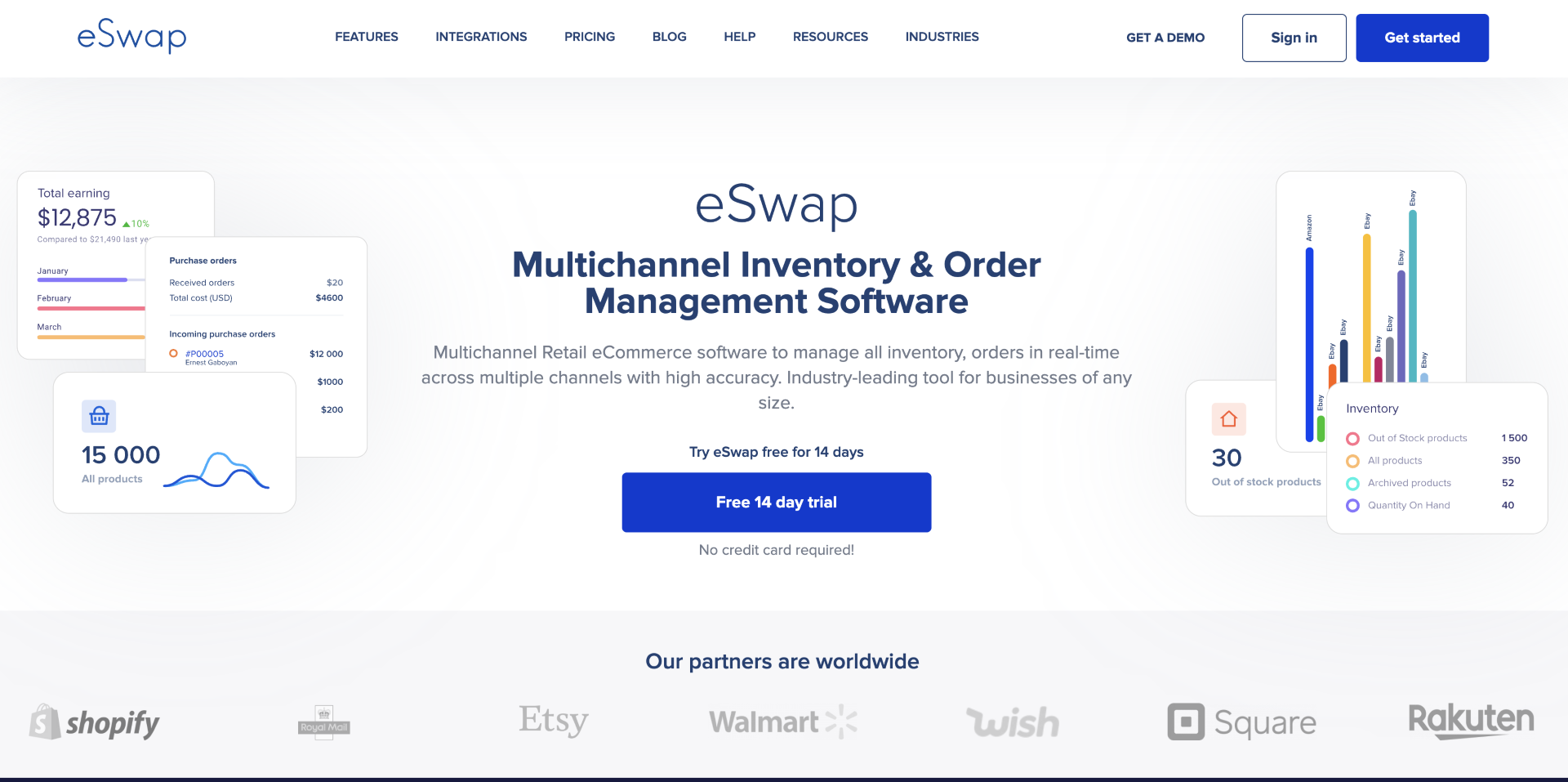
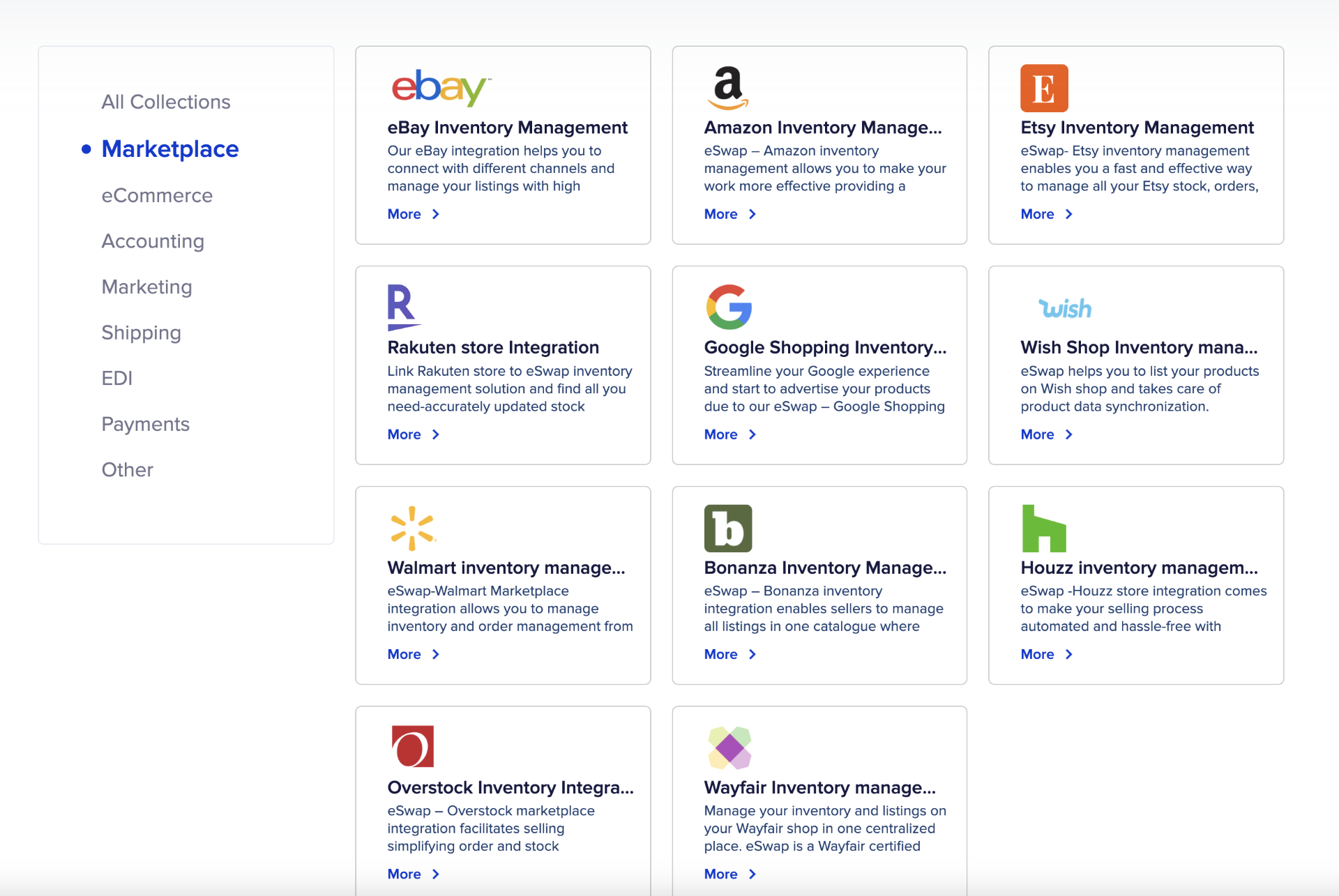
Multichannel sellers strive to grow and build bigger businesses across multiple e-commerce platforms: Amazon, Shopify, Walmart, eBay, Etsy, and Wayfair. It is a great way to reach more customers, generate more sales, and maximize profits. However, an operational problem arises when multichannel sellers have to manage inventory, orders, and shipping responsibilities across all these different marketplaces where they do business.
For the last decade, automation has been the key to managing multichannel ecommerce operations efficiently and steadily. Sellers would initiate a rules-based automation system to quickly synchronize all the critical operational data across their marketplaces, such as current inventory status, orders received, customer shipping details, product pricing, and fulfillment requirements. That way, there wouldn’t be any discrepancies in these details between the various ecommerce businesses that a seller manages.
Automation commerce is purely reactive. It executes predefined instructions after specific actions or events occur across the marketplaces, such as customer sales and communications. These could be instructions to automatically reduce the inventory count on a particular item across all platforms after someone buys it, or to automatically send a prewritten “thank you” email to a customer after they order an item online.
All these things are still important, but they are much more difficult to sustain with automation alone. The future of multichannel e-commerce operations will require sellers to embrace autonomous commerce if they want to stay competitive in the many overcrowded marketplaces online.
Why Automation is No Longer Enough to Sustain Multichannel Operations
Have you ever tried to manage several sales channels simultaneously? Even with automation software to help you synchronize the data, it can still be a time-consuming and energy-draining endeavor to make decisions using this data.
For example, let’s say that you’re a multichannel seller who receives an order on Amazon. Then, a few minutes later, someone purchases that same item from your store on Shopify. Meanwhile, your Walmart ecommerce store has no inventory available for the same item. An automated workflow system to synchronize this data is required to eliminate these small discrepancies that could otherwise become expensive operational problems.
Automation is the first step in managing all this data on different platforms. The second step is coming up with a more efficient way to make accurate and effective data-driven decisions, especially since the data changes so rapidly in real time across all these platforms. If a human manager makes a decision based on data that is only five minutes old, the data could become obsolete by the time they finalize their decision. That is how quickly inventory and sales can fluctuate in modern-day ecommerce stores.
Automation systems also don’t give you details regarding the reasoning for why things happen. For instance, if your inventory of a product falls below 10 units, an automation system will automatically submit an order with the supplier to replenish the item. But what it won’t do is tell you why the inventory fell in the first place.
Was there high demand for the item? Is there a seasonal event that caused a temporary spike in purchases? These are questions that automation systems cannot answer because they don’t have the intelligence to analyze data and provide data-based recommendations and answers.
That brings us to the next innovative technology to improve multichannel ecommerce operations: artificial intelligence (AI) and autonomous commerce.
Autonomous Commerce: The Next Step Forward for Sellers
There is a new shift away from rules-based automation systems toward AI-driven operations. Imagine a system where you have AI agents constantly evaluating multiple data points and variables of your multichannel ecommerce operations to look for trends, problems, and ways to make improvements.
AI agents don’t simply respond to events like automation systems do. Instead, an AI-powered system analyzes all data from the past and present to predict future outcomes. It will review historical sales records and recent product sales to identify product demands, sales patterns, channel performance, and other relevant information.
Based on the analytical data gathered, the AI agents can provide the following actions to help you better manage all your ecommerce stores:
- Demand Forecasting – AI agents have the power to predict future customer demand for products based on historical sales, current trends, seasonal sales, and other information. Because of this, multichannel sellers can rely more on AI-based insights rather than current inventory levels to figure out which products are growing more popular on each ecommerce platform. From there, they can promote different high-demand products on the appropriate platforms to maximize their sales.
- Dynamic Pricing Optimization – Pricing is another area where AI agents can help multichannel sellers improve their sales. The AI agents can analyze hundreds of products on multiple channels to figure out the best-selling prices for those items. The AI will make the necessary pricing recommendations to help compete with other product prices and increase the seller’s sales on their ecommerce channels.
- Predictive Restocking – A good multichannel seller must always make sure that their high-demand products are in stock, or else they could potentially lose a high number of sales. AI agents can examine sales patterns and provide insightful predictions about which products are likely to become out of stock before they actually do. This information can help sellers figure out how much inventory they will need to restock ahead of time to avoid losing sales.
- Inventory Allocation – Products sell differently on each ecommerce platform, which is why demand forecasting is important. AI agents can offer autonomous inventory allocation to assign and distribute the necessary inventory to the seller’s various channels where it is in high demand. The AI will take into account geographic demand and individual channel performance to manage inventory allocation better.
Making the transition from automation to autonomous commerce requires multichannel e-commerce operators to find a trustworthy AI agent software provider. One particular software brand that many sellers are using worldwide is eSwap Global.
eSwap’s AI Suite Offers Autonomous Commerce Tools to Sellers
eSwap is a popular brand of multichannel inventory and order management software. For years, it was purely an automation system to help multichannel ecommerce sellers synchronize their data from different platforms and merge it into one interface for easy management. Now, as of late 2024, it offers an AI suite with all the autonomous commerce features that a multichannel seller needs to stay competitive and efficient, including demand forecasting, dynamic pricing optimization, predictive restocking, and inventory allocation.

Karen Nikoghosyan, the founder and CEO of eSwap Global, made the decision to offer an AI suite of tools to its customers to help them save time and money. “Economic empowerment through technology can help ordinary sellers become successful online entrepreneurs, which is why I created eSwap in the first place,” said Karen. “Now that we have an AI suite to offer our commercial clients, they can remain competitive while other sellers fall behind.”







Comment