The freelancing industry has grown rapidly over the past few years, becoming one of the most dynamic and flexible career options worldwide. In 2026, freelancing is no longer just a side hustle; it has become a viable full-time career path for millions of professionals. With access to high-speed internet, global digital platforms, and remote work tools, anyone with the right skills can start working for international clients from the comfort of their home.
Freelancing allows individuals to take control of their careers. Unlike traditional jobs where you exchange time for a fixed salary, freelancing offers freedom, flexibility, and the opportunity to work on diverse projects across multiple industries. From graphic design and web development to content writing and digital marketing, the possibilities are vast.
Why Freelancing Has Become a Global Trend
Several factors have contributed to the rapid growth of freelancing in recent years:
- Remote Work Revolution
The COVID-19 pandemic accelerated the global adoption of remote work. Companies realized that employees could deliver high-quality results without being physically present. This shift created a massive opportunity for freelancers to work with clients anywhere in the world.
- Access to Freelance Platforms
Websites like Upwork, Fiverr, Freelancer, and Toptal have simplified the process of connecting freelancers with clients. These platforms allow professionals to showcase their skills, submit proposals, and receive secure payments, making freelancing accessible to anyone with a skill set.
- Flexibility and Independence
Freelancers can choose the projects they want to work on, set their schedules, and work from anywhere. This level of independence attracts students, working professionals, and even retirees who want additional income.
- Diverse Income Opportunities
Freelancers can earn income from multiple sources simultaneously. For example, a web developer can create websites for several clients while also selling website templates online. This diversity provides financial stability and long-term growth.
Top Freelancing Skills in 2026
Some skills are in higher demand due to the digital transformation of businesses worldwide. Freelancers with these skills are likely to earn more and find consistent work:
Web Development: Frontend, backend, and full-stack developers are highly sought after.
Graphic Design and Branding: Companies need logos, social media graphics, and marketing materials.
Content Writing and Blogging: SEO-optimized content is essential for online marketing.
Digital Marketing: Social media management, email campaigns, and search engine marketing.
Video Editing and Animation: Video content is increasingly popular on social platforms.
Mobile App Development: Apps are critical for business engagement in 2026.
Data Analysis: Businesses rely on data-driven decisions, creating demand for analysts.
Freelancers who specialize in these areas often secure higher-paying clients and long-term contracts.
Challenges Freelancers Face
Despite its advantages, freelancing also comes with challenges:
Income Instability: Freelancers may not have a steady monthly income.
High Competition: Since freelancing is global, professionals compete with talent worldwide.
Time Management: Managing multiple projects requires strong organizational skills.
Client Communication: Misunderstandings with clients can lead to delayed payments or disputes.
Successful freelancers overcome these challenges by building strong portfolios, maintaining professional communication, and continuously upgrading their skills.
How to Start a Freelance Career
Starting a freelance career requires careful planning and commitment. Here’s a step-by-step guide:
Step 1: Identify Your Skills
Understand your strengths and what services you can offer. Even skills you currently use in a job or hobby can become freelance services.
Step 2: Build a Portfolio
A portfolio is critical for attracting clients. Include examples of your work, projects, or even mock projects that demonstrate your skills.
Step 3: Choose the Right Platforms
Create profiles on reliable freelancing platforms. Upwork, Fiverr, and Freelancer are popular, but specialized platforms like Toptal or 99designs may suit certain professions.
Step 4: Start Small
Take smaller projects initially to build reputation and gain client reviews. Early feedback is important for credibility.
Step 5: Set Competitive Rates
Research market rates for your skill set. Avoid undercharging, as it may undervalue your work and reduce long-term earning potential.
Step 6: Network and Promote Yourself
Use LinkedIn, social media, and professional communities to find new opportunities and attract clients outside freelancing platforms.
Growing Your Freelance Business
Once established, freelancers can scale their careers:
Specialize in a Niche: Experts in a specific industry or skill earn more.
Offer Multiple Services: Diversify offerings to attract larger clients.
Build Long-Term Client Relationships: Repeat clients provide stability and referrals.
Invest in Learning: Stay updated with tools, technology, and trends.
Automate Processes: Use project management tools, invoicing software, and marketing automation to save time.
Freelancing and Financial Freedom
Freelancing can be a pathway to financial independence. By managing projects efficiently, setting higher rates over time, and creating passive income streams like digital products or online courses, freelancers can achieve a sustainable income.
Many freelancers in Pakistan, India, and Southeast Asia have successfully transitioned from traditional jobs to full-time freelance careers, earning more than their conventional counterparts.
The Future of Freelancing
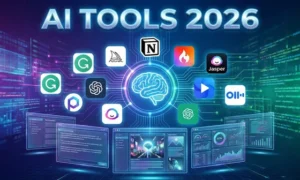
The future of freelancing looks bright in 2026 and beyond. AI, automation, and online platforms will continue to create opportunities. Companies will increasingly rely on remote talent, and freelancers with digital skills will be in high demand.
Freelancing is no longer a temporary career choice—it has become a recognized profession worldwide. With persistence, skill development, and professionalism, anyone can build a successful global freelance career.
Conclusion
Freelancing has transformed the modern workforce by providing flexibility, independence, and access to global opportunities. While it comes with challenges like income instability and high competition, the benefits of freedom, financial growth, and career control make freelancing an attractive choice in 2026.
For professionals willing to learn, adapt, and deliver quality work, freelancing is a gateway to a sustainable and fulfilling career. The digital world offers limitless possibilities, and those who embrace freelancing today will shape the future of world.