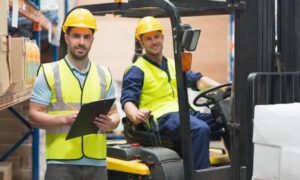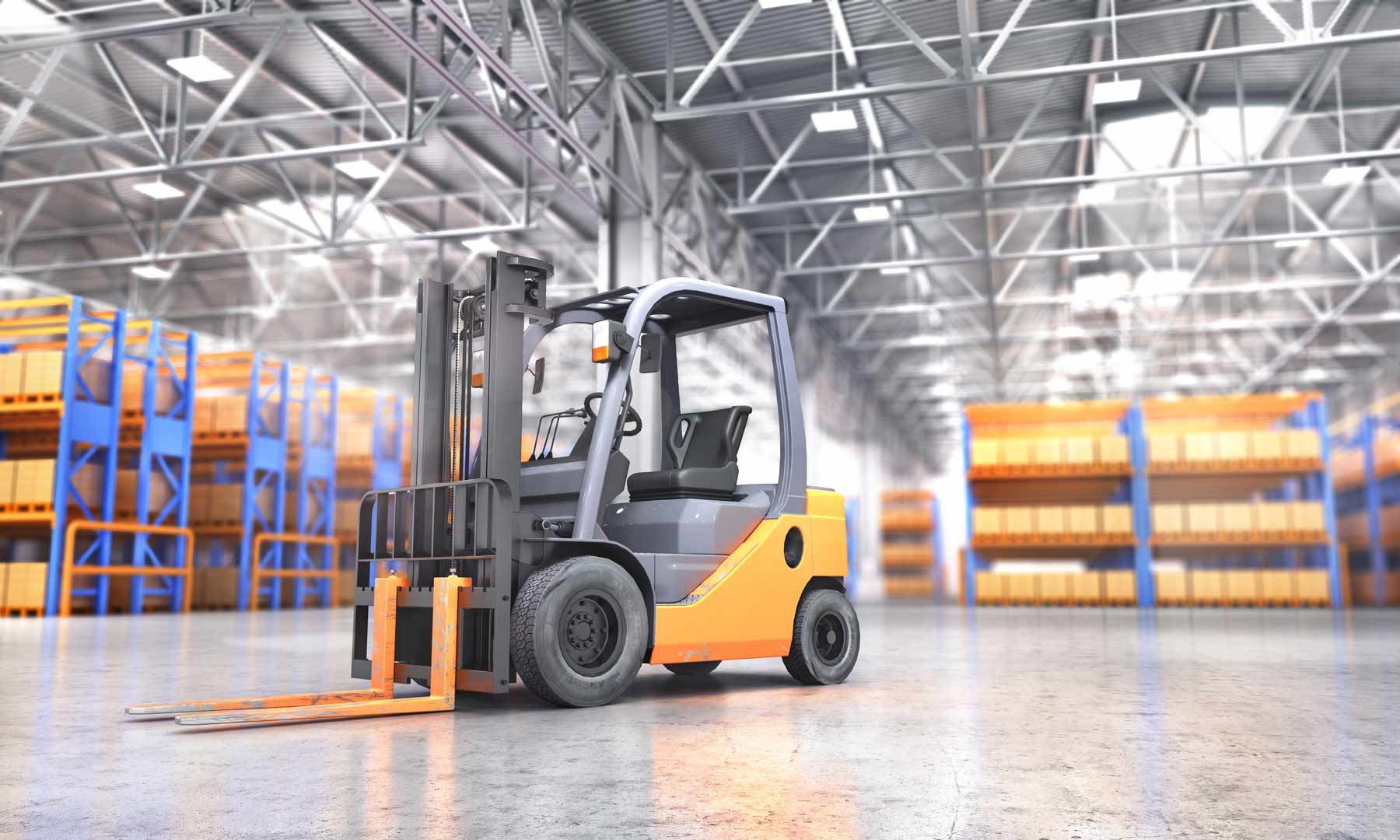
If you look across any Australian warehouse, distribution centre, or large construction site, you’ll see them in action—forklifts, the indispensable workhorses of modern logistics and trade. Operating one, however, is not just a job task; it’s a skilled profession that carries significant responsibility. In Australia, it is illegal to operate a forklift without a High Risk Work Licence (HRWL), making formal forklift training the critical first step for anyone looking to enter or advance in countless industries.
This reportage explores why accredited training is non-negotiable, what it entails, and how it forms the cornerstone of a broader culture of workplace safety.
Why a Forklift Licence is More Than Just a “Ticket”
A forklift is a powerful piece of industrial equipment. Incorrect operation can lead to catastrophic incidents, including tip-overs, collisions, falling loads, and serious injuries or fatalities. The national licensing system exists for one paramount reason: to ensure only properly trained and assessed individuals operate this high-risk machinery.
Formal training does more than just teach someone how to move a pallet. Accredited courses, such as the one offered by providers like Safety Australia Training, are designed to ingrain a safety-first mindset. Successful trainees don’t just receive a licence; they develop a core competency in risk management that protects themselves, their colleagues, and valuable stock and infrastructure.
Inside a Standard Forklift Training Course
A comprehensive forklift training course is a blend of theory and intensive practical application. While specific curricula may vary slightly by provider, the core components align with the national unit of competency TLILIC0003 – Licence to operate a forklift truck.
Typical Course Structure:
- Theory Component: Covers legislation and compliance, understanding forklift stability (the “stability triangle”), load calculations, pre-operational inspection checks, and site-specific hazard identification.
- Practical Training: Hands-on instruction on starting, maneuvering, and stopping the forklift safely. This includes practicing essential skills like stacking and destacking loads at various heights, working in confined aisles, and operating on inclines.
- Assessment: Candidates must pass both a written theory test and a practical skills assessment conducted by a qualified assessor. The practical assessment simulates real-world tasks to prove operational competence and safety awareness.
Upon successful completion, trainees receive a Statement of Attainment, which they use to apply for their formal HRWL (LF class) from the state or territory work health and safety regulator (e.g., SafeWork NSW).
Forklift Training: The Gateway to a Safer Workplace
Investing in proper forklift training is one of the most effective decisions a business or individual can make. For the worker, it unlocks access to a wide range of stable, in-demand jobs in logistics, manufacturing, retail, and construction. It’s a foundational skill that enhances employability.
For employers, it is a direct investment in operational efficiency, asset protection, and most importantly, workplace safety. A trained operator is a productive and safe operator, reducing the risk of costly accidents, damage to goods, and potential WorkCover claims.
Building on a Foundation of Comprehensive Safety Training
While forklift operation is a specific high-risk skill, it exists within a broader ecosystem of workplace safety. The principles learned—risk assessment, hazard control, procedural compliance—are the same principles that underpin all safe work practices.
Leading training providers offer a wide suite of courses beyond forklifts, including working at heights, confined space entry, first aid, and other high-risk work licences for cranes and rigging. This positions forklift training not as an isolated qualification, but as part of a lifelong learning journey in professional safety. Developing this culture, where every worker is trained and empowered to work safely, is the ultimate goal of quality safety training providers.
Getting Started:
For anyone considering a career that involves operating a forklift, the path is clear. The first and most crucial step is to enrol in an accredited course with a reputable provider. The return on this investment is measured not just in career opportunities, but in the invaluable currency of safety for yourself and those around you.