Dhaka traffic wastes up to three hours of a working person’s day and costs thousands of taka every month in CNG and rickshaw fares. A bicycle, especially an electric one, solves both problems at once. Riders on short to medium routes reach their destination faster than cars during rush hour, spend almost nothing on daily transport, and skip the stress of sitting in gridlock. This post breaks down the real monthly cost difference, compares electric and regular bicycles side by side, explains what to look for before you buy, and covers which Duranta model suits which type of commuter in Bangladesh.
Why Dhaka Traffic Is Getting Worse Every Year
Dhaka has around 22 million people and one of the lowest road-to-land ratios of any major city in the world. During peak hours, average vehicle speed drops to around 7 km/h, which is slower than a brisk walk.
More vehicles are registered every year, while road space remains almost the same. For a daily commuter, this translates to longer travel times, rising fares, and less time at home.
The situation is not improving on its own, and waiting for it to does not help anyone who needs to get to work on time.
How a Bicycle Cuts Through Dhaka Traffic
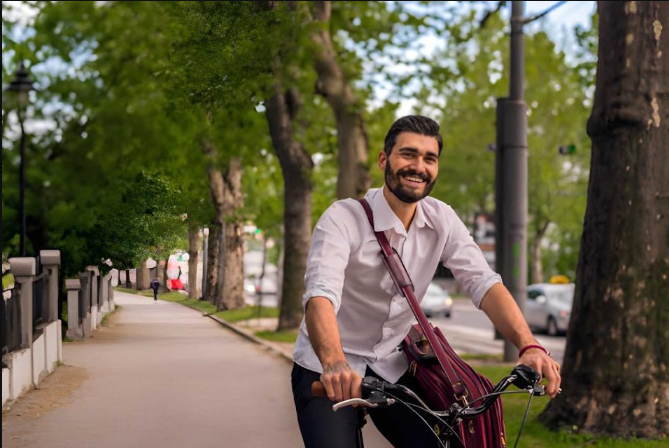
A bicycle fits through gaps that cars and CNGs cannot. On routes under 15 km, a bicycle often arrives faster than a car during morning rush hour. You skip the queue, you pay no fare, and you control your schedule instead of sitting and waiting.
If the physical effort worries you, an electric bicycle adds motor support so the work is split between you and the bike. Either way, switching to the best bicycle for daily commute is one of the simplest things a Dhaka commuter can do to get time back.
Bicycle vs. CNG vs. Rickshaw: Which Costs Less per Month?
Most commuters do not sit down and calculate what daily transport actually costs them every year. The table below does that for a standard Dhaka commute.
| Commute Option | Daily Cost (BDT) | Monthly (30 days) | Annual Saving vs CNG |
| CNG (10 km route) | 150 to 200 | 4,500 to 6,000 | Baseline |
| Rickshaw (5 km route) | 80 to 120 | 2,400 to 3,600 | BDT 10,800 to 28,800 |
| Regular bicycle | 0 fuel cost | Near zero | BDT 54,000 to 72,000 |
| Duranta E-Bike | 5 to 8 (charging) | 150 to 240 | BDT 51,120 to 69,120 |
A daily CNG fare of BDT 175 adds up to BDT 5,250 per month and BDT 63,000 per year. An e-bike charging cost of around BDT 6 per day adds up to just BDT 180 per month.
That difference alone covers the purchase price of a Duranta E-Rider 101 within the first year. A regular bicycle brings that daily cost even closer to zero.
Electric Bicycle or Regular Bicycle: Which One Is Right for You?
The right choice depends on your route distance and whether arriving without sweat matters for your work. This table makes it straightforward.
| Factor | Regular Bicycle | Duranta E-Bike |
| Best route distance | Up to 8 km one way | 8 to 20 km one way |
| Effort needed | Full pedal power every day | Motor shares the workload |
| Arrives without sweat | Unlikely on hot days | Yes, motor handles the hard parts |
| Upfront cost | BDT 5,000 onward | BDT 42,000 onward |
| Daily fuel or charge cost | Zero | BDT 5 to 8 per charge |
| Range per charge | Unlimited (your energy) | Up to 45 km per charge |
If your office is within 8 km, a regular bicycle is a cost-effective way to stay fit. If your route is 10 km or more through Dhaka heat and traffic, an electric bicycle makes the ride comfortable enough to repeat every single day without burning out.
How Far Can You Actually Ride in Dhaka on One Charge?
Most daily commutes in Dhaka fall between 5 and 15 km one way. A Duranta E-Bike covers up to 45 km on a single charge with pedal assist.
That means most riders complete a full day of commuting, to work and back, without needing to recharge.
Charging takes 4 to 5 hours on a regular home socket overnight, so the bike is ready every morning with no extra effort.
For riders with a route under 20 km each way, one charge typically lasts two days before the next top up.
What to Look for Before You Buy a Bicycle in Bangladesh
These five points matter more than anything else when choosing a bicycle in Bangladesh:
- Wheel size: 26 inch is standard for most adults. Choose based on your height, not the bike’s looks.
- Frame material: An alloy frame is lighter and handles daily use on uneven roads better than a heavy steel frame.
- Brake type: Disc brakes stop faster in wet and rainy conditions, which matters during monsoon season in Dhaka.
- Gear system: Multi-speed gears help on longer routes and give you better control in traffic.
- Warranty and service: Make sure the brand has a service network near you. A bicycle with no local service support is a problem waiting to happen.
Duranta Bicycles: Built and Tested for Bangladesh Roads
Duranta is manufactured by Rangpur Metal Industries, a part of the RFL Group, with a full production facility in Habiganj. Every bicycle is tested in in-house ISO standard labs before it leaves the factory.
The brand exports to over 40 countries, including the UK and EU, which means the quality standard is not built just for local sale.
The E-Rider range starts from BDT 42,000 for the E-Rider 101 and goes up to BDT 55,000 for the E-Rider 201-S and E-Rider 501.
Every E-Bike comes with a six-month warranty on electrical parts and is backed by a nationwide service network.
For regular bicycles, the range starts from around BDT 5,000. Parts are local, service is local, and help is never far away.
Read More From Techbullion