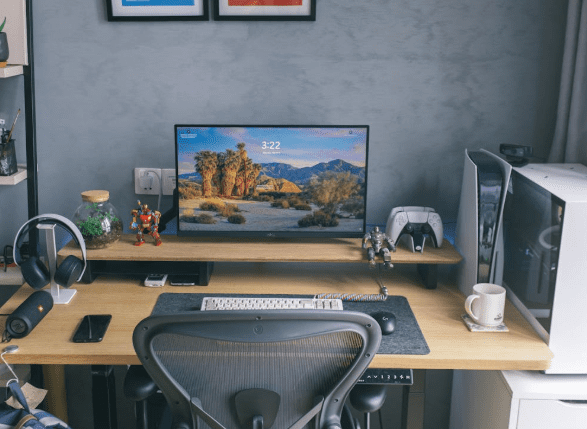
The shift towards remote and hybrid work arrangements has transformed Singapore homes into primary workspaces for millions of professionals. However, many people work from dining tables, kitchen counters, or makeshift desks, which can cause physical discomfort and diminish productivity over time due to poor ergonomic support.
Investing in proper ergonomic tables isn’t merely about comfort—it’s essential for preventing chronic pain, maintaining focus, and protecting long-term health. An improper desk setup contributes to neck strain, shoulder tension, back pain, and wrist problems that develop gradually but significantly impact quality of life.
Understanding how desk design affects your body and choosing furniture that supports natural posture creates workspaces where you can maintain focus and productivity without sacrificing physical well-being. This guide explores how the right ergonomic desk transforms your home office from a source of discomfort into an environment that supports both health and performance.
1. Proper Height Prevents Neck, Shoulder, and Back Pain
Not all people are standard desk height — people have different assessments, lengths of their arms, and they like sitting in different positions, so they need flexible adjustments in order to achieve the right ergonomic position. In situations where the desk height forces you to hunch forward, crane your neck, or raise your shoulders unnaturally, muscle tension builds up during the workday, culminating in chronic pain.
Optimal desk height will enable your elbows to rest at about 90 degrees when typing, with your shoulders relaxed and your wrists straight, rather than bent forward or backward. The monitor is to be placed at the same level as the eye, eliminating the forward head position that strains neck muscles and causes headaches and tension in the upper back.
2. Movement Through Height Adjustment Combats Sedentary Risks
Prolonged sitting creates numerous health risks, including reduced circulation, metabolic slowdown, and increased chronic disease risk, regardless of exercise habits outside work hours. Electric adjustable office desk options allow seamless transitions between sitting and standing throughout the day, breaking up extended sedentary periods without interrupting workflow.
Alternating positions keeps muscles engaged, improves circulation, and prevents the stiffness and fatigue that accompany hours of static sitting. The ability to adjust height also accommodates different tasks—standing for video calls or brainstorming sessions, sitting for detailed, focused work—optimising both comfort and mental engagement.
3. Adequate Surface Space Reduces Clutter-Related Stress
Cramped desk surfaces force awkward positioning as you work around clutter, reaching across your body or twisting repeatedly to access items—movements that strain muscles and disrupt focus. Insufficient space also creates visual chaos and mental stress, diminishing concentration and unnecessarily increasing cognitive load.
L shape table Singapore configurations provide a generous surface area whilst fitting efficiently into corners, maximising usable workspace within compact HDB flats or condo studies. The extended surface accommodates multiple monitors, documents, and equipment without forcing compromising positions or constant reorganisation that breaks concentration.
4. Stability Prevents Micro-Movements That Strain Focus
Wobbly or unstable desks create constant micro-adjustments as surfaces shift during typing or mouse movements—subtle distractions that fragment attention and prevent deep focus states. Physical instability also causes unconscious muscle tension as your body compensates for the unstable work surface, leading to fatigue you might not consciously attribute to desk quality.
Quality ergonomic desks feature robust construction and stabilising mechanisms that eliminate wobble even during vigorous typing or when leaning on surfaces. Stand tables with solid frames and proper weight distribution provide stable platforms, whether sitting or standing, allowing complete focus on work rather than compensating for furniture deficiencies.
5. Personalised Setup Accommodates Individual Body Mechanics
The body proportions of every individual are unique, torso, arm, leg; i.e., one-size-fits-all furniture solutions undermine the ergonomic requirements of a person. Adjustable chairs can be customised, and you can be sure your body mechanics are well aligned with them rather than making adaptations to set sizes.
This personalisation is especially important in families that have more than one occupant in their work areas. Height-adjustable desks enable users to adjust to optimal body positions, avoiding the compromise that arises when spouses or family members of varying heights have to share fixed-height furniture.
Final Thoughts
The right ergonomic desk is a key part of home-based work, not a luxury; an inappropriate desk arrangement can lead to physical issues that worsen health and productivity in the long term. Neck pain, back tension, and repetitive stress injuries do not occur immediately but are a result of months or years of poor positioning, which is avoided by quality ergonomic furniture.
Tableholic specialises in ergonomic furniture solutions designed specifically for Singapore’s unique space constraints and work-from-home needs. Their range includes height-adjustable desks, spacious L-shaped configurations, and standing desk options that accommodate diverse body types, work styles, and space requirements. Contact Tableholic today to explore ergonomic desk solutions that transform your home office from a source of pain into an environment where you can work productively and comfortably for years to come.