The microwave hums.
The AC kicks on.
You flip the blender to “high.”
Click.
Darkness.
You stand there, staring at a silent kitchen, thinking: Seriously? Again?
It’s never just one thing. It’s the cumulative load of modern life pressing against an electrical system designed decades ago. And when you start searching for electrical panel installation near me, it’s usually because your house is trying to tell you something.
Let’s decode it.
Your Electrical Panel: The Quiet Gatekeeper
Most homeowners don’t think about their electrical panel until it trips.
But that gray metal box? It’s the nerve center of your home. Every outlet. Every light. Every appliance. Every charger. All of it runs through there.
If your panel is outdated or undersized, you’ll see the signs:
- Breakers tripping more often
- Lights flickering when appliances start
- Buzzing or warmth near the panel
- Not enough space for new circuits
And here’s the kicker: homes built 30+ years ago often have 60-amp or 100-amp panels. Today’s homes—with EV chargers, induction ranges, multiple TVs, smart thermostats, home offices—typically need 200 amps or more.
Your lifestyle upgraded.
Your panel didn’t.
When “Annoying” Becomes “Unsafe”
A tripped breaker is inconvenient. But repeated overloads can signal real safety risks.
Overheating components. Loose connections. Panels not rated for modern demand.
Still have a fuse box? That’s not “vintage charm.” That’s outdated infrastructure.
Planning a remodel? Adding a hot tub? Installing an EV charger? Expanding your HVAC?
Those upgrades demand power capacity. Without it, you’re stacking strain on a system that’s already maxed out.
If you’re googling electrical panel installation near me, you’re probably past the “maybe” stage.
What Actually Happens During a Panel Upgrade
Let’s demystify this.
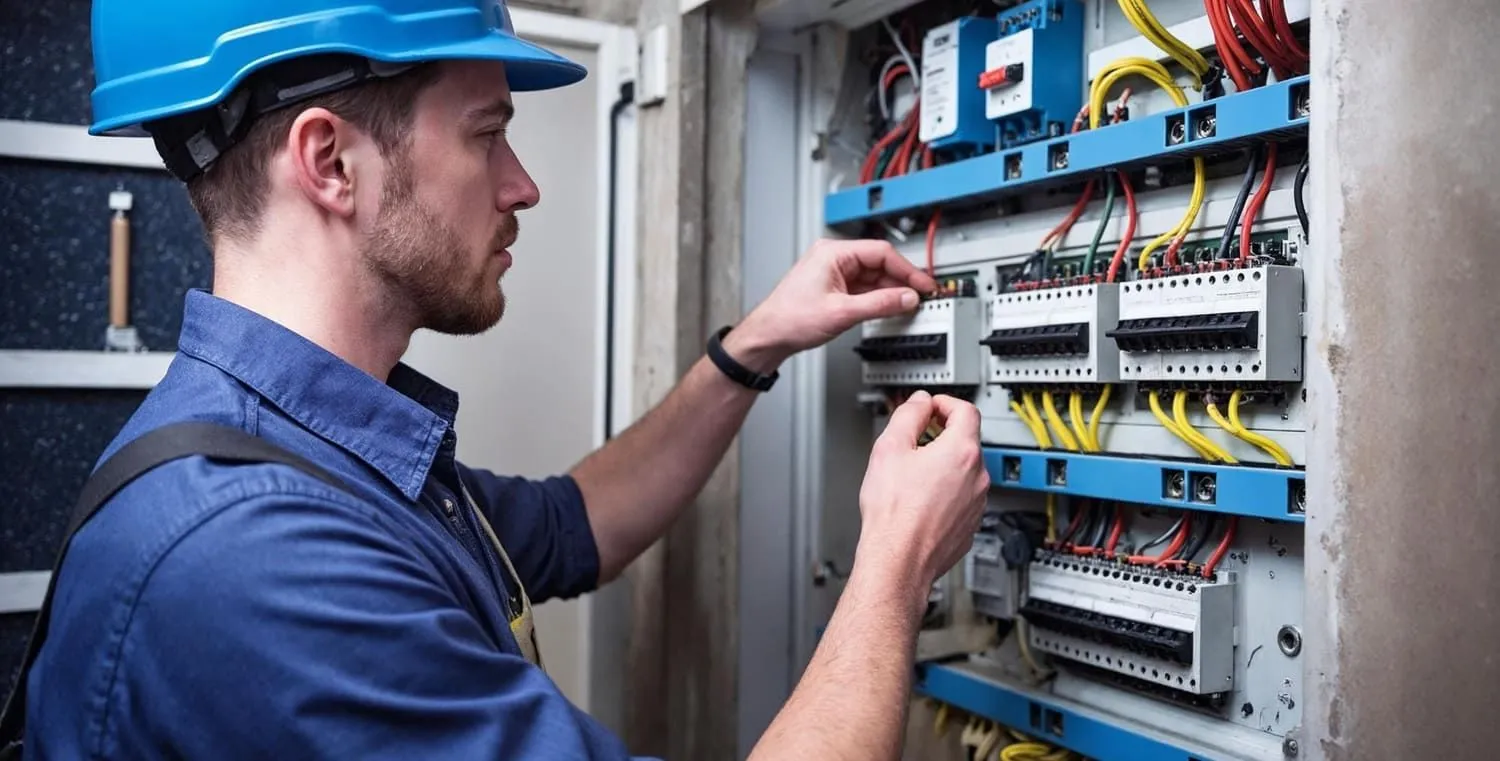
No, it’s not a quick swap-out like changing a thermostat. Electrical panel installation involves:
- Calculating your home’s electrical load
- Pulling permits
- Coordinating with the utility company
- Disconnecting and reconnecting power
- Reorganizing and labeling circuits
- Passing inspection
It usually takes a full day. Power will be off for several hours. It’s technical. It’s regulated. And it’s not a DIY project unless you enjoy high-risk hobbies.
But when it’s done right? It’s transformative.
Breakers Matter More Than You Think
Here’s where homeowners often miss the fine print.
An upgrade isn’t just about installing a bigger panel—it’s about what goes inside it.
Cheap or mismatched breakers can cause nuisance tripping, overheating, and long-term reliability issues. High-quality, tested components are critical.
That’s why sourcing dependable breakers from trusted suppliers like Verified Breakers matters. Reliable breakers aren’t glamorous—but they’re the difference between smooth operation and constant frustration.
It’s like buying a high-performance car and filling it with low-grade fuel. Don’t cut corners where it counts.
The Upgrade That Pays You Back
Let’s talk benefits. Real ones.
– Increased electrical safety
– Reduced fire risk
– Support for EV charging
– Seamless appliance performance
– Higher home resale value
– Future-ready capacity
Buyers notice upgraded panels. Inspectors notice outdated ones.
An electrical panel upgrade isn’t flashy—but it’s foundational.
You won’t post it on social media.
But you’ll notice when nothing flickers anymore.
Choosing the Right Electrician (This Is Big)
When you search for electrical panel installation near me, don’t just click the first listing.
Look for:
- Licensed, insured professionals
- Experience with panel replacements
- Transparent pricing
- Knowledge of local codes
- Clear communication
Ask about amperage sizing. Ask about breaker brands. Ask about long-term capacity planning.
A good electrician isn’t just replacing equipment—they’re future-proofing your home.
Don’t Wait for a Bigger Warning
Electrical systems rarely fail without clues.
They flicker. They trip. They hum. They hint.
You can ignore it… until you can’t.
Upgrading your panel is proactive. It prepares your home for the next decade of technology, appliances, and energy demands.
And when you do upgrade, make sure your electrician uses high-quality components from trusted sources like Verified Breakers to ensure safety and reliability from the inside out.
Because when it comes to electricity, stability isn’t optional.
It’s essential.
Read More From Techbullion