Finding the right words is the first step for any Malaysian e-commerce store wanting more sales. It’s about understanding what people type into search engines when they want to buy something.
This means looking beyond just common terms. You need to dig into what your specific customers in Malaysia are searching for. Getting this right helps your store show up when it matters most.
Effective keyword research is the bedrock of good SEO. Without it, your efforts might miss the mark entirely. It guides all your other optimization work.
Conduct Localized Keyword Research
To really connect with customers in Malaysia, your keywords need to feel local. Think about the specific terms people use in different states or cities.
For example, someone in Penang might search for “kedai kopi” (coffee shop) while someone in Kuala Lumpur might search for “cafe KL”. Tailoring your keywords to these local phrases makes a big difference.
This localized approach helps your store appear in front of shoppers who are actively looking for products or services in their immediate area.
Incorporate Malay, Mandarin, and English Keywords
Malaysia is a multilingual country, and your keyword strategy should reflect that. Don’t limit yourself to just one language.
Using a mix of Malay, Mandarin, and English keywords captures a wider audience. Consider common product names or brand terms in each language.
For instance, if you sell electronics, you might target “telefon bimbit” (mobile phone in Malay), “手机” (shǒujī – mobile phone in Mandarin), and “mobile phone” in English. This broadens your reach significantly.
Target Long-Tail Keywords Specific to Malaysia
Long-tail keywords are longer, more specific phrases that people use when they’re closer to making a purchase. They often have lower search volume but higher conversion rates.
Think about phrases like “beli kasut lari wanita saiz 7 online Malaysia” (buy women’s running shoes size 7 online Malaysia). These are very specific and show clear buyer intent.
Focusing on these niche, long-tail keywords can attract highly qualified traffic to your Malaysian e-commerce site, leading to more sales.
Optimizing Product Pages For Maximum Visibility
Product pages are where the magic happens – they’re the final stop before a customer clicks ‘buy’. Making them work hard for your e-commerce SEO is key. Think of them as your digital salespeople; they need to be clear, attractive, and easy to understand.
Getting these pages right means more eyes on your products and, hopefully, more sales. It’s not just about listing what you sell; it’s about presenting it in a way that search engines and shoppers love. This section covers how to make your product pages shine.
Optimize Product Page Titles and Descriptions
Your product page titles and descriptions are the first things people see in search results. They need to grab attention and tell users exactly what they’re looking for. Use clear, descriptive language that includes relevant keywords.
- Titles: Keep them concise, ideally under 60 characters, and include the main product name and key features. For example, ‘Organic Cotton T-Shirt – Blue, Size M’ is better than just ‘T-Shirt’.
- Descriptions: Go beyond basic specs. Tell a story about the product, highlight its benefits, and use keywords naturally. Avoid jargon and focus on what makes your product special.
Think about what a customer would type into Google to find this exact item. Your title and description should match that query as closely as possible.
Use High-Quality Images with Alt Text
Visuals are incredibly important for online shopping. Customers can’t touch or feel your products, so good images are a must. Use clear, high-resolution photos that show the product from multiple angles.
- Image Quality: Ensure images are well-lit and accurately represent the product’s color and texture.
- Alt Text: This is where e-commerce SEO really comes into play. Alt text describes the image for search engines and for visually impaired users. Use descriptive keywords here too. For an image of a red batik shirt, your alt text could be ‘Red Malaysian Batik Shirt – Traditional Design’.
Leverage Structured Data Markup for Rich Snippets
Structured data, or schema markup, helps search engines understand the content on your product pages more deeply. This can lead to ‘rich snippets’ appearing in search results, like star ratings, prices, and availability.
These snippets make your listing stand out, encouraging more clicks. Implementing schema for products is relatively straightforward and can significantly boost your visibility.
- Product Schema: Include details like name, description, brand, price, currency, and availability.
- Review Schema: If you have customer reviews, use schema to display average ratings directly in search results.
This extra information makes your product listings more informative and appealing to potential buyers.
Enhancing User Experience Through Technical SEO
Improve Page Load Speed
Slow websites lose customers. Plain and simple. People in Malaysia, like everywhere else, expect things to load fast. If your product pages take too long to show up, visitors will just leave and go to a competitor. This hurts your sales and tells search engines your site isn’t great.
Focus on making your pages load as quickly as possible. This means optimizing images, using good hosting, and cleaning up your code. A speedy site keeps people browsing longer and makes them more likely to buy something. It’s a big part of good technical SEO.
Optimize for Mobile Users
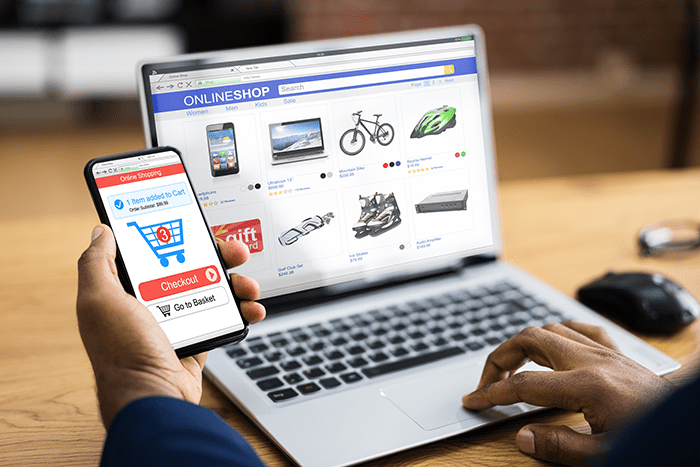
Most online shopping happens on phones these days. If your store looks bad or is hard to use on a mobile device, you’re missing out on a huge chunk of potential customers. Google also pays attention to this, ranking mobile-friendly sites higher.
Make sure your website looks good and works well on all screen sizes. This includes easy navigation and buttons that are easy to tap. A good mobile experience means more people will stick around and buy.
Implement User-Friendly URLs
Think about how people find things. A clear, simple web address is easier for everyone to understand. Instead of a jumbled mess of numbers and letters, use words that describe the page. For example, yourstore.com/kain-batik-pekalongan is much better than yourstore.com/prod?id=7892.
This helps both your visitors and search engines figure out what your page is about. It makes your site look more organized and professional. Good URLs are a small but important part of technical SEO.
Focus on Category Pages
Category pages are super important for e-commerce. They group similar products together and often rank well in search results. Don’t just treat them as a list; make them useful.
Add some descriptive text about the category, maybe highlight popular items, and make sure the navigation is clear. Well-organized category pages help customers find what they need faster and improve your site’s overall structure for search engines. They are a key area for technical SEO.
Good technical SEO isn’t just about pleasing search engines; it’s primarily about making your website easy and pleasant for real people to use. When users have a good experience, they tend to stay longer, explore more, and ultimately, buy more. This positive user behavior is something search engines notice and reward with higher rankings.
Leveraging Content and Local Signals
Create High-Quality, Informative Content
Content is king, especially in the competitive Malaysian e-commerce space. Think blog posts, detailed buying guides, or even video tutorials. These pieces should offer real value to your potential customers, answering their questions and solving their problems. This approach not only attracts organic traffic but also positions your store as a knowledgeable authority in its niche. When you consistently provide useful information, people are more likely to trust and buy from you.
Focus on content that directly addresses the needs and interests of the Malaysian market. For example, a fashion retailer might create posts about
Building Authority and Driving Traffic
Focus on Building Quality Backlinks
Getting links from other reputable Malaysian websites is a big deal for your store’s search ranking. Think about teaming up with local bloggers or sites that review products. These kinds of partnerships can bring in valuable links pointing back to your e-commerce site. It’s all about showing search engines like Google that your store is a trusted place.
Quality backlinks signal to Google that your site is trustworthy and authoritative. This helps your store show up higher in search results when people are looking for what you sell. Building these connections takes time, but the payoff in terms of organic traffic is significant. It’s a key part of building authority.
Implement Internal Linking
Internal linking is like creating a helpful map for both your visitors and search engines. By linking related product pages, category pages, and blog posts together, you make your website easier to explore. For example, a blog post about the best running shoes in Malaysia could link directly to the product pages for those shoes.
This keeps people on your site longer, which is a good sign for search engines. It also helps search engines understand how different parts of your website connect. A well-linked site structure is a strong signal of a well-organized and useful online store. This strategy is vital for SEO Malaysia efforts.
Use Social Media to Drive Traffic
While social media might not directly boost your search rankings, it’s a powerful tool for getting people to your store. Sharing your products, blog posts, and special deals on platforms like Facebook, Instagram, and TikTok can bring in more visitors. More visits can indirectly help your search performance.
Social media engagement also builds brand awareness. It helps you reach a wider audience who might not have found you through search alone. Think of it as another channel to get potential customers interested in what you offer. This helps drive traffic to your site.
Ongoing Monitoring and Strategy Adjustments
Monitor SEO Performance and Adjust Strategies
Keeping an eye on how your SEO efforts are performing is not a one-time task. It’s a continuous cycle. Regularly check your website’s performance metrics to see what’s working and what needs a tweak. This helps you stay ahead in the fast-changing online market.
The key is to be proactive, not reactive. Look at your traffic sources, how users interact with your site, and where your sales are coming from. Making small, informed changes based on this data can lead to big improvements over time. It’s about refining your approach based on real results.
Analyze Key Metrics for SEO Malaysia Efforts
To really understand your SEO Malaysia success, you need to dig into the numbers. Tools like Google Analytics and Google Search Console are your best friends here. They show you which keywords are bringing people to your site, how long they stay, and if they’re buying anything.
Focus on metrics that directly impact sales. Track your organic traffic growth, keyword rankings for important terms, and conversion rates from organic search. This data helps you see the direct impact of your SEO work on your bottom line. It’s about connecting your SEO actions to actual business outcomes.
Stay Updated on SEO Best Practices
Search engine algorithms change, and so do user search habits. What worked last year might not be as effective today. It’s important to keep learning about the latest SEO trends and best practices.
This means reading industry blogs, attending webinars, or even experimenting with new techniques. Staying informed helps you adapt your strategy and maintain your competitive edge. The goal is to always be improving and ready for what’s next in the world of search.
Wrapping It Up
So, there you have it. Getting your Malaysian e-commerce store noticed online takes a bit of work, but it’s totally doable. By paying attention to what people are actually searching for, making sure your product pages are clear, and keeping your website running smoothly, you’re already way ahead. Don’t forget that most shoppers are on their phones these days, so a mobile-friendly site is a must. And if you have a local angle, lean into that too. Keep an eye on how things are going with your website traffic and sales, and don’t be afraid to tweak your approach. Sticking with these steps will help more customers find you and hopefully buy from you.