The Environmental Challenge in Metal Manufacturing
Traditional metal cutting and fabrication methods often rely on processes that consume large amounts of energy, generate waste, and require frequent maintenance. Mechanical cutting, plasma, and CO₂ laser systems, for instance, tend to produce more heat, fumes, and byproducts. These inefficiencies contribute to higher operational costs and greater environmental impact.
As industries move toward eco-friendly manufacturing, there is a growing need for cleaner, more energy-efficient cutting solutions. This is where the fiber laser cutting machine stands out.
Why Fiber Laser Cutting Machines Are More Sustainable
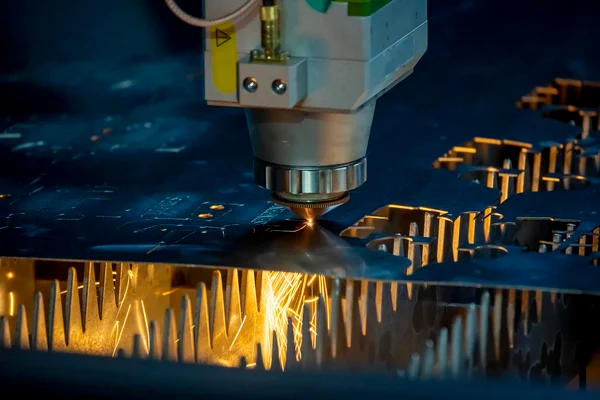
Unlike conventional cutting systems, the fiber laser cutting machine operates through a solid-state laser source that efficiently converts electrical energy into a high-powered laser beam. This process reduces energy waste, allowing manufacturers to achieve more cutting work with less electricity.
Furthermore, fiber lasers require minimal maintenance and fewer consumables compared to traditional machines. Since they do not rely on mirrors or gases for beam delivery, there are fewer parts to replace or calibrate. This not only saves resources but also extends the system’s lifespan, supporting long-term sustainability.
Another advantage lies in the precision of fiber lasers. High cutting accuracy minimizes material waste, ensuring that every sheet or tube of metal is used to its full potential. By optimizing raw material utilization, manufacturers reduce scrap production—a crucial step toward green manufacturing.
Modern fiber laser cutting technology also provides cleaner production and energy efficiency, making it a key solution for sustainable manufacturing practices.
Cleaner Production and Workplace Benefits
Sustainability in manufacturing extends beyond environmental metrics—it also includes workplace health and safety. The fiber laser cutting machine produces less noise and fewer emissions during operation. This cleaner working environment benefits both operators and surrounding communities.
Moreover, the dry cutting process eliminates the need for harmful cutting fluids, which are common in other metal processing technologies. By avoiding chemical coolants or lubricants, fiber laser systems help manufacturers meet stricter environmental and occupational safety standards.
Energy Efficiency and Cost Reduction
Energy efficiency is one of the main reasons why the fiber laser cutting machine has gained global popularity. The laser source itself operates with high electrical conversion efficiency, meaning more power is directed into cutting rather than lost as heat.
Reduced energy consumption translates directly into lower production costs and a smaller carbon footprint. In a time when energy prices and environmental compliance costs continue to rise, this advantage makes fiber laser technology a logical choice for sustainable growth.
Supporting the Global Shift Toward Green Manufacturing
Manufacturers around the world are investing in cleaner production methods as part of broader sustainability strategies. The fiber laser cutting machine aligns perfectly with this trend by offering both performance and eco-efficiency.
Its ability to handle diverse materials—such as stainless steel, aluminum, brass, and carbon steel—also means that industries can consolidate their production capabilities under one efficient and environmentally friendly process. This flexibility further contributes to resource conservation and operational simplification.
The Future of Eco-Friendly Fabrication
As the manufacturing landscape continues to evolve, technologies like the fiber laser cutting machine will play a central role in balancing industrial productivity with environmental responsibility. Future developments in automation, smart control, and energy recovery systems will make fiber laser cutting even more sustainable and efficient.
For manufacturers committed to reducing waste, conserving energy, and achieving cleaner production goals, adopting fiber laser technology represents more than just an equipment upgrade—it is a step toward a sustainable industrial future.
Published by Glorystar — promoting sustainable, high-performance cutting solutions.